







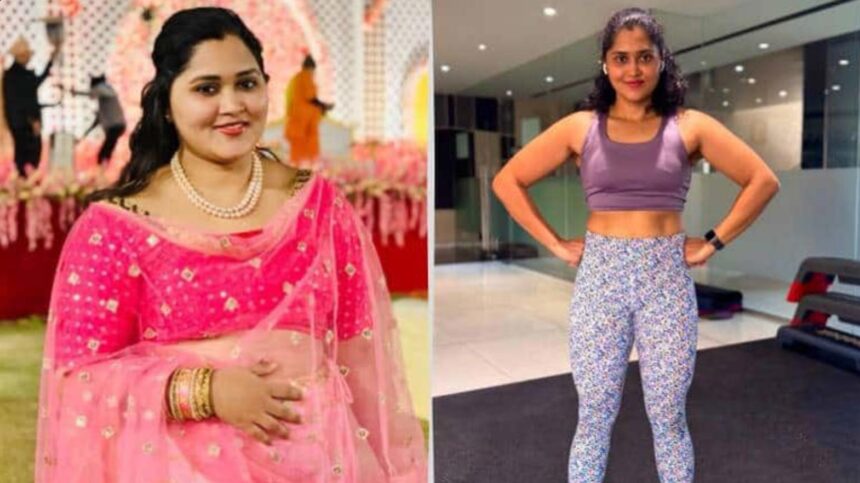
Losing weight after pregnancy can be physically and emotionally challenging, especially while caring for a newborn. For Surbhi Ghiya, a 33-year-old mother from Jaipur, Rajasthan, the journey wasn’t about quick fixes or crash diets. Instead, it was about rebuilding healthy habits, staying consistent and prioritising her well-being.
Over a period of more than two years, she gradually reduced her weight from 90 kg to 63 kg, losing 27 kg through a combination of balanced nutrition, strength training and regular physical activity.
Editor’s Note: Individual weight-loss journeys vary. The following diet and exercise routine reflects one person’s experience and should not be considered a universal plan. Always consult a healthcare professional or registered dietitian before starting a new diet or fitness programme, especially after pregnancy.
A Difficult Pregnancy and Postpartum Phase
According to Surbhi, pregnancy brought unexpected health challenges.
She shared that she contracted COVID-19 twice during pregnancy, which affected both her physical and emotional well-being.
See more of our coverage in your search results.
Add Hunterfly on GoogleFollowing childbirth by Caesarean section (C-section), she also faced comments suggesting she would never regain her previous fitness level.
Rather than accepting those assumptions, she decided to focus on gradual recovery.
Like many new mothers, she was encouraged to consume generous amounts of ghee and calorie-dense foods after delivery. While these traditional practices are common in many households, nutritional needs differ from person to person. Surbhi felt that her eating pattern was not working well for her body, and over time her weight increased to 90 kg.
Beginning Her Weight Loss Journey
When her baby was about six months old, Surbhi decided to make her own health a priority.
She says the transformation did not happen overnight.
See more of our coverage in your search results.
Add Hunterfly on GoogleThere were setbacks, periods where her weight plateaued, moments of frustration and several unsuccessful attempts before she found an approach she could maintain.
Instead of looking for rapid weight loss, she focused on:
- Building healthier eating habits
- Strength training
- Moderate cardio exercise
- Consistency over perfection
Gradually, those small daily changes led to lasting results.
See more of our coverage in your search results.
Add Hunterfly on GoogleHer Reported Daily Diet Plan
The following meal plan reflects the eating pattern Surbhi followed under the guidance of a fitness coach.
Breakfast
- 35 g oats, poha, upma, besan chilla, vermicelli or puffed rice
- 2 egg whites
- Approximately 70 g vegetables
- 5 g oil, ghee, butter or olive oil
Lunch
- 150 g cooked vegetables
- 150 g low-fat paneer
- 40 g uncooked rice or whole wheat flour (for chapati)
- 5 g oil or ghee
Evening Snack
- One apple (about 200 g)
- One scoop of whey protein
Dinner
- 150 g vegetables
- 30 g soya chunks
- 35 g raw lentils, chickpeas, rajma, black chana or similar legumes
- 40 g uncooked rice or whole wheat flour
- 10 g oil or ghee
Exercise Played an Important Role
Diet alone was not the only factor behind her transformation.
Surbhi incorporated:
- Regular strength training
- Moderate cardio workouts
- Progressive fitness routines
- Consistent physical activity over two years
Strength training is widely recognised for helping preserve muscle mass while losing body fat, particularly during long-term weight management.
The Biggest Challenges She Faced
Surbhi says one of her greatest struggles was balancing motherhood with self-care.
As a new mother, she often experienced:
- Sleep deprivation
- Childcare responsibilities
- Limited time for exercise
- Emotional exhaustion
She recalled waking early to work out, only for her baby to wake shortly afterward.
Another challenge was emotional eating.
Like many parents adjusting to life with a newborn, she found herself turning to food for comfort during periods of stress and fatigue. Learning healthier coping strategies became an important part of her journey.
What Health Experts Say About Postpartum Weight Loss
Health experts generally recommend waiting until your healthcare provider confirms it is safe before beginning structured exercise after childbirth.
Healthy postpartum weight loss typically includes:
- A balanced, nutrient-rich diet
- Adequate protein intake
- Regular physical activity
- Proper hydration
- Sufficient sleep whenever possible
- Realistic expectations
For breastfeeding mothers, calorie needs may be higher, so weight-loss plans should always be personalised.
Key Lessons from Her Journey
Surbhi’s experience highlights several important principles:
- Sustainable habits often produce better long-term results than restrictive diets.
- Recovery after pregnancy takes time, and every mother’s body heals differently.
- Strength training, balanced nutrition and consistency can support healthy body composition.
- Emotional health is just as important as physical fitness.
- Seeking guidance from qualified fitness or nutrition professionals can help create a safe and realistic plan.
HeZindagi Verdict
Surbhi Ghiya’s transformation demonstrates that postpartum fitness is rarely about speed—it’s about patience, consistency and realistic lifestyle changes. Her journey from 90 kg to 63 kg over more than two years reflects a gradual approach supported by nutrition, exercise and determination rather than extreme dieting. Every postpartum journey is unique, and comparing progress with others can be discouraging. The healthiest approach is one tailored to your own medical needs, recovery and daily routine.