





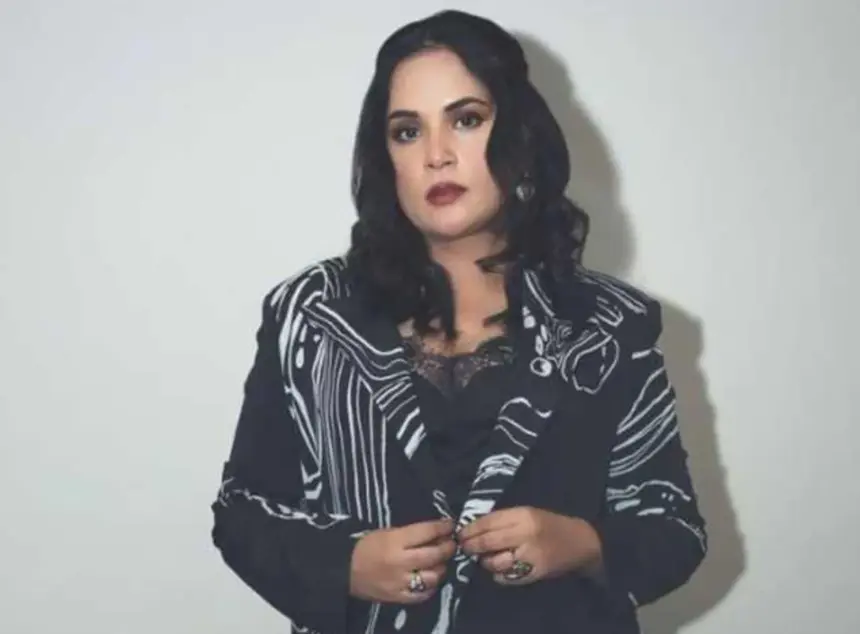
Richa Chadha has spoken out against online trolling targeting women after motherhood, defending Katrina Kaif following criticism of the actor’s appearance during a reported public appearance after the birth of her child.
The episode has renewed discussion about the scrutiny female celebrities face over their bodies, particularly after pregnancy and childbirth. Social media users comparing photographs taken before and after motherhood have drawn criticism from those who believe women should not be judged against unrealistic expectations about how quickly their bodies should change.
Chadha, who became a mother in 2024, addressed the issue in an interview with India Today. She argued that women should not allow online comments about their appearance to dictate how they feel about themselves, and criticised the culture of anonymous social media abuse.
Richa Chadha Calls Out Body-Shaming After Motherhood
In the interview, Chadha questioned why women’s bodies become subjects of public commentary, especially when they return to public life after having children.
She said women should not feel obliged to listen to unsolicited opinions about their bodies. Chadha also cited established actresses, including Madhuri Dixit, Juhi Chawla, Rani Mukerji and Sonali Bendre, while discussing how women can balance motherhood with their professional lives.
The actor argued that the problem should not automatically be attributed to the film industry, instead pointing to the behaviour of social media users who feel emboldened to criticise public figures online.
Chadha also questioned the amount of attention such comments receive in media coverage. Her position was that abusive remarks should not be given disproportionate visibility when they add little to meaningful public discussion.
Her comments came amid criticism directed at Katrina Kaif after photographs of the actor following motherhood prompted comparisons with her earlier appearance.
‘They Are Just Losers’: Chadha on Online Trolls
Chadha was particularly critical of the anonymity that social media can provide to people who post abusive or demeaning comments about celebrities.
In the interview, she argued that some users behave as though public figures owe them an explanation for their personal choices or physical appearance. She dismissed such behaviour and said the comments deserved to be ignored rather than elevated into a larger media conversation.
Her remarks highlight a familiar problem in online celebrity culture: public visibility can expose individuals to intense scrutiny, while the people making personal attacks may face little immediate accountability for their behaviour.
Although celebrities routinely receive public feedback about their work, criticism of a performance or professional decision is different from targeting someone’s body after childbirth. Body-shaming can reinforce unrealistic appearance standards and turn a deeply personal life experience into a subject of public judgement.
Chadha’s comments make a broader point about boundaries, arguing that a celebrity’s visibility does not give strangers unlimited licence to comment on their body.
Katrina Kaif on Social Media, Criticism and Self-Worth
Katrina Kaif has also spoken about the importance of protecting self-worth from the opinions expressed on social media.
According to the supplied report, the actor addressed the subject during an event in the United Kingdom. She said people should be careful about allowing online narratives to influence how they value themselves.
Kaif explained that constantly adjusting personal choices to satisfy critics could limit an individual’s ability to move forward confidently. She also reflected on how public opinion can change, noting that there are moments when people are celebrated and others when they need to become their own strongest source of encouragement.
Her reported remarks underline the distinction between receiving criticism and allowing that criticism to define one’s identity. Social media can amplify praise and negative commentary alike, but neither necessarily provides a complete picture of a person’s life or worth.
The comments also offer a wider perspective on the pressures faced by public figures, whose appearances and personal milestones can become topics of intense online discussion.
Why Do Women Face Body-Shaming After Having Children?
The reaction to Kaif’s appearance reflects a broader cultural tendency to scrutinise women’s bodies during pregnancy, after childbirth and when they return to work or public life.
Women can face conflicting expectations: they may be criticised for changes in their appearance while also being judged for how quickly they appear to return to their previous routines. Such expectations overlook the fact that recovery and physical changes vary from person to person.
For actors and other public figures, the pressure can be intensified by the circulation of photographs, side-by-side comparisons and comments about their appearance. Images may be taken under different lighting conditions, at different angles or at different stages of recovery, making simplistic comparisons particularly misleading.
Motherhood does not create an obligation to meet a particular appearance standard. Nor should a woman’s professional success or public image depend on whether her body looks the same as it did before pregnancy.
A more constructive conversation would focus on women’s wellbeing, privacy and freedom to return to public life on their own terms.
Richa Chadha’s Comments Add to the Conversation on Celebrity Trolling
Chadha’s response places the focus on the people making the comments rather than on the woman being targeted. By challenging the attention given to body-shaming, she has raised questions about how online abuse becomes amplified when it is repeated across entertainment coverage and social platforms.
Kaif’s reported comments about self-worth complement that argument. Together, the two perspectives suggest that celebrities should not be expected to organise their personal choices around every public reaction.
The discussion also raises a question for media outlets: how can reports about online abuse inform readers without unnecessarily repeating or amplifying the abuse itself? Reporting on a public figure’s response can be useful, but it should avoid treating degrading comments as legitimate measures of appearance or success.
The Larger Message: A Woman’s Worth Is Not Defined by Her Appearance
The controversy surrounding Kaif’s reported public appearance is a reminder of the scrutiny women can face when their personal lives become public conversation. Chadha’s response challenges the idea that actresses should have to defend changes in their bodies after becoming mothers.
Kaif’s reported reflections on self-worth offer a related message: public opinion should not determine how a person values themselves or makes personal decisions.
Both points extend beyond celebrity culture. Women should be able to experience motherhood, return to work and participate in public life without being subjected to appearance-based judgement.
Ultimately, the conversation is less about how a particular actress looks and more about the standards audiences apply to women. Public figures can expect attention, but that does not make body-shaming constructive or justified. Respecting personal boundaries and resisting unrealistic expectations can help create a healthier conversation about motherhood, appearance and women’s autonomy.