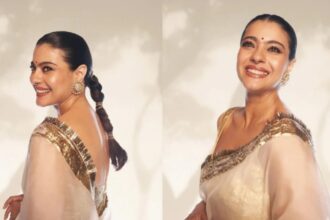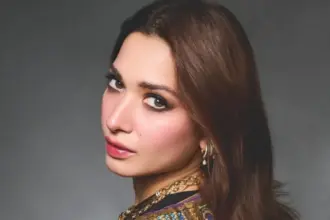




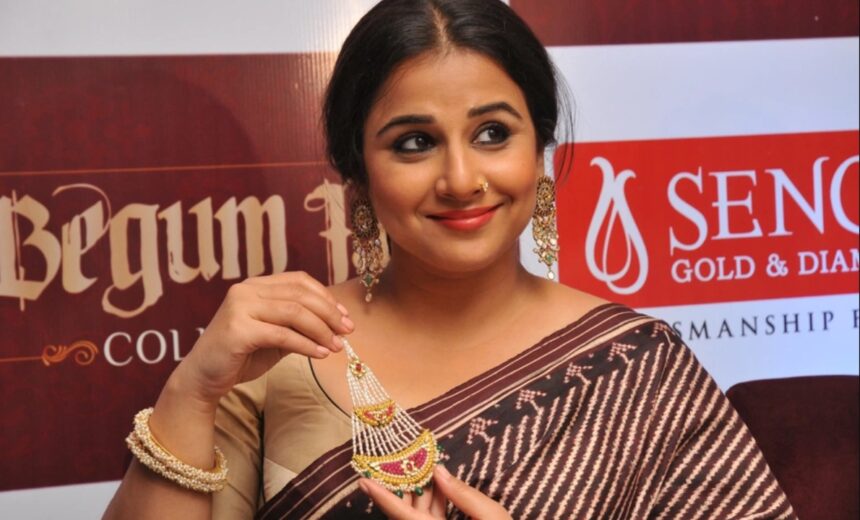
Temple jewellery is finding a fresh place in contemporary Indian fashion as Bollywood actresses demonstrate how traditional gold ornaments can complement both classic silk sarees and modern festive outfits. Once closely associated with South Indian ceremonial dressing, these heritage-inspired accessories are increasingly being styled with Indo-Western ensembles, structured blouses and minimalist silhouettes.
With its distinctive goddess motifs, intricate craftsmanship and antique gold finishes, temple jewellery offers a way to add traditional character to modern clothing. The appeal lies in balancing elaborate ornaments with simpler garments, allowing each piece to become the focal point of an outfit.
For fashion enthusiasts looking beyond conventional festive styling, the combination offers inspiration that extends well beyond Diwali.
Bollywood actresses bring temple jewellery into the fashion spotlight
Indian film personalities have long played a role in popularising traditional jewellery styles, from elaborate bridal necklaces to heritage-inspired earrings.
Actresses such as Madhuri Dixit, Kareena Kapoor Khan and Rani Mukerji have been highlighted in fashion coverage for their ability to incorporate statement jewellery into occasion wear.
Their approach illustrates how jewellery associated with traditional clothing can also work with more contemporary designs.
A heavily detailed necklace, for example, can add visual richness to a plain silk saree, while antique gold earrings can create contrast with a structured blouse or a monochromatic outfit.
The broader styling idea is simple: allow traditional craftsmanship and modern clothing to complement each other rather than compete for attention.
This approach also makes heritage-inspired accessories useful beyond weddings and formal ceremonies.
What makes temple jewellery special?
Temple jewellery has historical roots in South India, where elaborate gold ornaments were associated with temple traditions and classical dance.
Its designs often incorporate religious and cultural imagery, including depictions of Hindu deities, lotus flowers, peacocks and other traditional motifs.
Historically, jewellery made for temple adornment and ornaments used by classical dancers influenced decorative styles that later became widely associated with bridal and ceremonial fashion.
Today, the term temple jewellery is also used commercially for contemporary pieces inspired by these traditional designs.
Such accessories are available in different materials and finishes, including precious-metal jewellery, gold-plated pieces and fashion jewellery with antique-style coatings.
The distinction is important because a temple-inspired design does not necessarily mean that a piece is made from solid gold or is an antique.
How to style temple jewellery with modern outfits
Fashion guidance published by Her Zindagi for Diwali 2026 emphasised the value of keeping the overall outfit relatively simple when wearing an elaborate jewellery piece.
The approach helps create a balanced appearance while giving intricate ornaments space to stand out.
For instance, a plain emerald-green kurta set can be paired with an antique gold necklace, while a maroon Indo-Western outfit can work well with bold traditional earrings.
Modern outfits with structured silhouettes can also provide an interesting contrast to jewellery featuring detailed carvings and traditional motifs.
Rather than treating temple jewellery as an accessory reserved exclusively for silk sarees, this styling approach makes it suitable for a wider variety of festive wardrobes.
Choosing the right neckline and jewellery combination
The neckline of an outfit can significantly influence how a necklace looks.
A choker typically sits close to the neck and can work with wider or deeper necklines, depending on its proportions. Longer temple-style necklaces are often suitable for relatively simple outfits with sufficient space for the pendant or decorative elements to remain visible.
High-neck blouses and heavily embroidered collars may already contain substantial visual detail. In those cases, statement earrings or a bracelet can be an effective alternative to a necklace.
Matching every ornament is not essential. Instead, a coordinated finish or recurring motif can help maintain consistency.
The aim is to create a cohesive appearance without making the ensemble feel overly complicated.
Antique gold finishes and jewel tones create festive contrast
Colour is another important consideration when styling temple jewellery.
Deep shades such as emerald green, maroon, royal blue and burgundy can create a striking contrast with warm gold-toned accessories.
Ivory, beige and muted pastels provide softer alternatives, particularly when paired with jewellery featuring an antique or matte finish.
Although some styling guides recommend coordinating jewellery with skin undertones, these are aesthetic suggestions rather than strict rules. The most effective choice depends on personal preference, clothing colours and the overall look.
Mixing metallic finishes can also work when done intentionally, although choosing one dominant metal tone is a straightforward way to maintain visual consistency.
Keeping makeup and hairstyles balanced
Elaborate temple jewellery can be complemented by makeup that enhances the overall look without competing with the accessories.
Warm eye makeup, defined eyeliner and neutral lip colours can work well with antique gold jewellery.
For a more traditional appearance, a small bindi and a neatly styled bun can add visual coherence, particularly with silk sarees.
Loose waves or a sleek ponytail may suit contemporary ensembles, depending on the neckline and earrings.
Comfort also matters during long celebrations. Heavy necklaces and earrings can become tiring, making lightweight alternatives and secure fastenings practical considerations.
Why temple jewellery fusion has lasting appeal
The growing interest in combining traditional jewellery with modern outfits reflects a broader appreciation for versatile festive clothing.
Rather than purchasing an entirely new set of accessories for every occasion, wearers can restyle existing jewellery with different garments.
A necklace worn with a silk saree at a wedding, for instance, may also complement a plain kurta or contemporary festive set.
This approach can make occasion jewellery more adaptable, especially for shoppers who want to build a wardrobe around reusable pieces.
At the same time, the popularity of temple-inspired ornaments creates opportunities to appreciate traditional jewellery-making techniques and the artisans associated with them.
Consumers interested in authentic craftsmanship can look for transparent information about manufacturing techniques, materials and the origin of individual pieces.
Heritage craftsmanship meets contemporary festive fashion
Temple jewellery’s appeal lies in its ability to convey traditional design while adapting to changing fashion preferences.
From silk sarees and classic lehengas to structured blouses and minimalist Indo-Western outfits, heritage-inspired gold ornaments can bring character to different silhouettes.
Celebrity fashion coverage has helped make these combinations more visible, but the underlying styling principles are accessible to anyone interested in festive clothing.
By choosing a statement piece, balancing proportions and paying attention to comfort, fashion enthusiasts can incorporate temple jewellery into contemporary wardrobes without losing its traditional character.
As festive fashion continues to evolve, the combination of heritage motifs and modern styling offers possibilities well beyond a single celebration.
Have a story tip or feedback? Write to [email protected].