








Content creator Deepti has shared five eating habits she changed while going from 92 kg to 60 kg, highlighting sugary drinks, packaged snacks and late-night eating among the choices she reduced or avoided.
Weight-loss journeys rarely look identical from one person to another. While some people focus on exercise, others begin by changing what they eat, how much they eat and how consistently they follow those habits.
Content creator Deepti recently offered a glimpse into her own experience, revealing that she lost 32 kg, moving from 92 kg to 60 kg. In an Instagram post, she listed five foods or eating habits she said she stopped or reduced during her transformation.
Importantly, Deepti herself stressed that these changes were part of her personal approach and that maintaining a calorie deficit was central to her results. Her experience should not be treated as a universal diet plan, since individual nutritional requirements and weight-loss outcomes vary.
See more of our coverage in your search results.
Add Hunterfly on GoogleHere are the five changes she highlighted.
1. Sugary drinks
Sugary beverages were among the first things Deepti said she removed from her routine.
Soft drinks, sweetened beverages and other drinks containing added sugar can contribute a significant number of calories without necessarily making someone feel as full as a solid meal.
For alternatives, Deepti suggested options such as lemon water, coconut water and green tea.
However, even drinks commonly perceived as healthy can contain calories or naturally occurring sugars. Coconut water, for example, is different nutritionally from plain water, so the appropriate choice depends on a person’s overall diet and requirements.
See more of our coverage in your search results.
Add Hunterfly on Google2. White bread
White bread was another food Deepti said she stopped eating during her transformation.
Instead, she suggested alternatives including whole-wheat or multigrain bread, sourdough and oats.
Refined grains can contain less fibre than their whole-grain counterparts, while higher-fibre foods can be useful for creating more satisfying meals. Still, bread itself is not inherently a weight-gain food. The amount consumed and the overall calorie balance of a person’s diet remain important considerations.
See more of our coverage in your search results.
Add Hunterfly on GoogleFor someone who enjoys bread, choosing a higher-fibre option and pairing it with a protein source can be a practical way of building a more balanced meal.
3. Packaged snacks
Chips and other packaged snack foods were also on Deepti’s list.
These products can be relatively calorie-dense, and some contain substantial amounts of sodium, added fats or refined carbohydrates. Eating directly from a large packet can also make portion sizes difficult to track.
Deepti said she preferred alternatives such as roasted chana, nuts and makhana.
These swaps can provide more nutritional variety, although portion size still matters because nuts and some roasted snacks can also be energy-dense.
4. Fried fast food
Fried fast food was another category Deepti said she cut back on.
Burgers, fries and other fried foods can combine significant amounts of calories with fats and sodium, particularly when consumed as large restaurant meals.
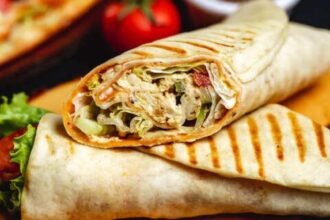
Instead, she mentioned homemade wraps, paneer or chicken tikka and home-cooked food as alternatives.
Cooking at home can make it easier to control ingredients and portions. It can also allow familiar foods to remain part of a diet without relying entirely on restaurant or takeaway meals.
5. Late-night snacking
Deepti’s fifth change was not a specific food but a habit: random late-night snacking.
Eating late at night does not automatically cause weight gain. However, unplanned snacking can increase total daily calorie intake, particularly when people eat while watching television, scrolling on their phones or when they are not genuinely hungry.
Deepti suggested choosing a calorie-free drink when appropriate or going to sleep instead of automatically reaching for a snack.
The more important point is whether late-night eating contributes to a person’s overall calorie intake and whether it becomes a consistent habit.
The other habits Deepti credits for her transformation
Alongside her food changes, Deepti recommended several lifestyle habits, including drinking around two to three litres of water a day, getting at least seven hours of sleep and walking regularly.
She also emphasised that staying in a calorie deficit was important to her weight-loss journey.
A calorie deficit means consuming fewer calories than the body uses over time. However, the size of an appropriate calorie deficit can vary considerably between individuals and depends on factors such as age, body size, activity level, health status and other personal circumstances.
Sleep and regular physical activity can also support overall health and may make it easier for some people to maintain healthy eating habits.
What can we learn from Deepti’s 32-kg transformation?
The biggest takeaway from Deepti’s story is not that everyone needs to permanently eliminate the same five foods.
Instead, her experience highlights the role that repeatable habits can play in a longer-term weight-management effort.
Reducing sugary drinks, limiting highly processed snacks, preparing more meals at home and becoming more conscious of unplanned eating may help some people reduce their overall calorie intake. But there is no single list of foods that guarantees a particular amount of weight loss.
Deepti’s reported change from 92 kg to 60 kg is her personal experience. People with different bodies, lifestyles, medical conditions and nutritional needs can respond differently to the same dietary changes.
For sustainable weight management, a balanced eating pattern, appropriate physical activity and realistic long-term habits are generally more useful than extreme restrictions. Anyone considering significant dietary changes should seek personalised advice from a qualified healthcare professional or registered dietitian, particularly if they have an underlying health condition.