





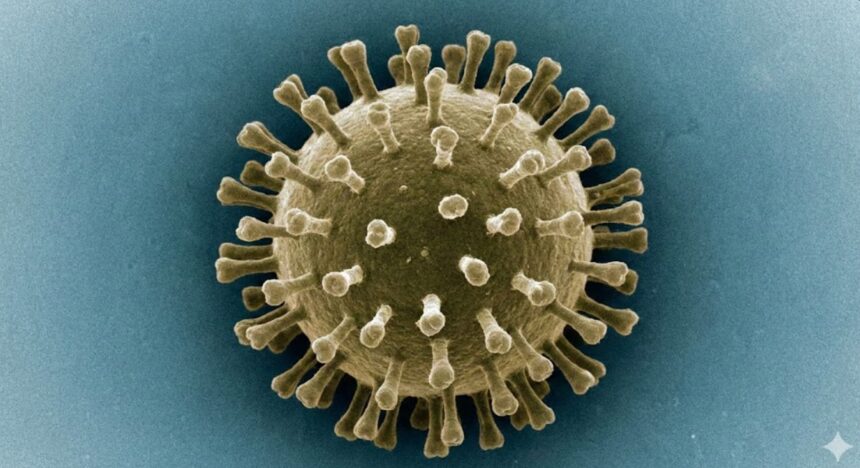
An outbreak of avian influenza A (H5N1), commonly known as bird flu, first appeared in the U.S. in March 2024. The Centers for Disease Control and Prevention (CDC) continues to monitor human and animal cases into 2025.
H5N1 spreads primarily through wild birds, and outbreaks are ongoing in poultry and dairy cattle. Most human infections occur in individuals exposed to infected animals, including workers in poultry farms and the dairy industry.
Symptoms of Bird Flu in Humans
Bird flu symptoms can mirror seasonal flu, but eye irritation has been more prominent in recent U.S. cases.
Mild Symptoms
- Eye redness or irritation (most common symptom)
- Mild fever or feeling feverish
- Cough, sore throat, runny or stuffy nose
- Muscle aches, headaches, fatigue
- Occasional diarrhea, nausea, or vomiting
Moderate to Severe Symptoms
- High fever affecting daily activity
- Shortness of breath or difficulty breathing
- Altered consciousness or seizures
Incubation period: Symptoms usually appear 2–7 days after exposure, often starting with eye irritation within 1–2 days.
See more of our coverage in your search results.
Add Hunterfly on GoogleHow Bird Flu Spreads to Humans
Humans may contract H5N1 through:
- Direct contact with infected birds or animals’ saliva, feces, milk, or respiratory droplets
- Inhalation of dust from animal habitats
- Contact with infected fluids entering the eyes, nose, or mouth
Diagnosis & Treatment
- Diagnosis: Throat, nose, or eye swabs
- Treatment: Early antiviral medication helps reduce severity. Severe cases may require hospitalization.
Contagious period:
- Mild cases: around a week (similar to seasonal flu)
- Severe cases: potentially several weeks
- Asymptomatic individuals may still spread the virus
Complications
Severe bird flu may lead to:
- Pneumonia and respiratory failure
- Acute kidney injury and multi-organ failure
- Sepsis or septic shock
- Brain inflammation (meningoencephalitis)
- Rarely, death
Prevention Tips
- Avoid contact with sick or dead birds and animals
- Keep pets indoors; avoid feeding raw milk or meat
- Maintain hygiene after handling backyard poultry; wear masks if necessary
- Avoid raw or undercooked meat, eggs, and unpasteurized dairy products
Is Bird Flu a Concern for Humans?
Human infections are rare, but H5N1 can infect multiple species, including humans. Currently, there is no immunity in humans, and any virus mutation enabling human-to-human transmission could spread quickly.