





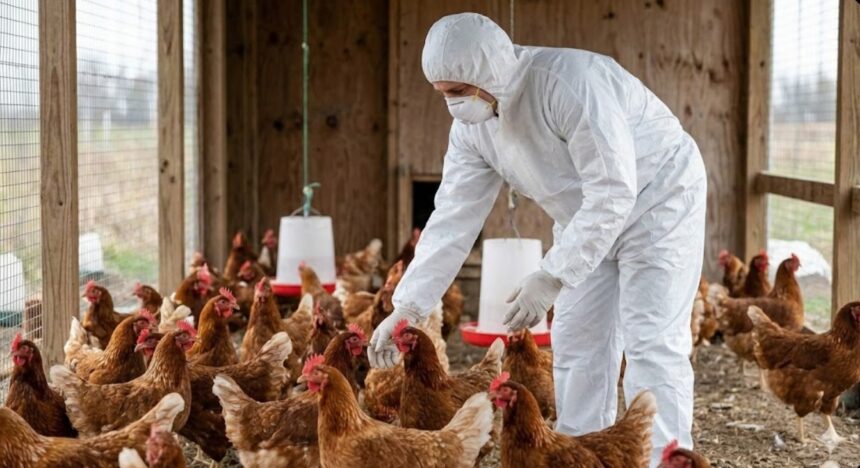
The H5N1 bird flu outbreak continues to devastate the animal world in 2025, having killed nearly 9 million birds worldwide, according to data obtained by DW. While the risk to humans remains low, the outbreak has caused major losses in poultry, wild birds, and other animals across North America and Europe.
Human Cases Remain Rare
Despite the death of a U.S. man in November 2025, authorities say the risk of a human pandemic remains minimal. He was the first human case in the U.S. since January 2025 and did not transmit the virus to anyone else, according to public health experts. Other human bird flu cases reported this year show a similar pattern, reinforcing that H5N1 has not yet gained human-to-human transmission capability.
Animal Outbreaks and Global Impact
The H5N1 virus has severely affected domestic and wild animals:
- Birds: Nearly 9 million poultry birds culled globally since October 2024, with major impacts in the U.S., Canada, and Germany.
- Mammals: Cattle, pigs, cats, dogs, and wild mammals have also been infected, signaling that the virus is spreading beyond birds.
“It is not, any longer, only an impact on the poultry sector or wild birds,” said Gregorio Torres, head of science at the World Organization for Animal Health (WOAH).
The virus is causing widespread economic and ecological consequences, with outbreaks on farms and in the wild affecting food supply chains and local ecosystems.
See more of our coverage in your search results.
Add Hunterfly on GoogleCurrent Risk Assessment
- To Humans: Low
- To Animals: High, with ongoing outbreaks and cross-species infections
- Public Health Guidance: Avoid contact with sick or dead birds, follow CDC recommendations for handling poultry, and maintain good hygiene to minimize risk.
What to Watch
Authorities continue to monitor the virus closely, especially for any signs of increased human-to-human transmission. While H5N1 remains primarily an animal threat, vigilance is key to preventing potential human infections.