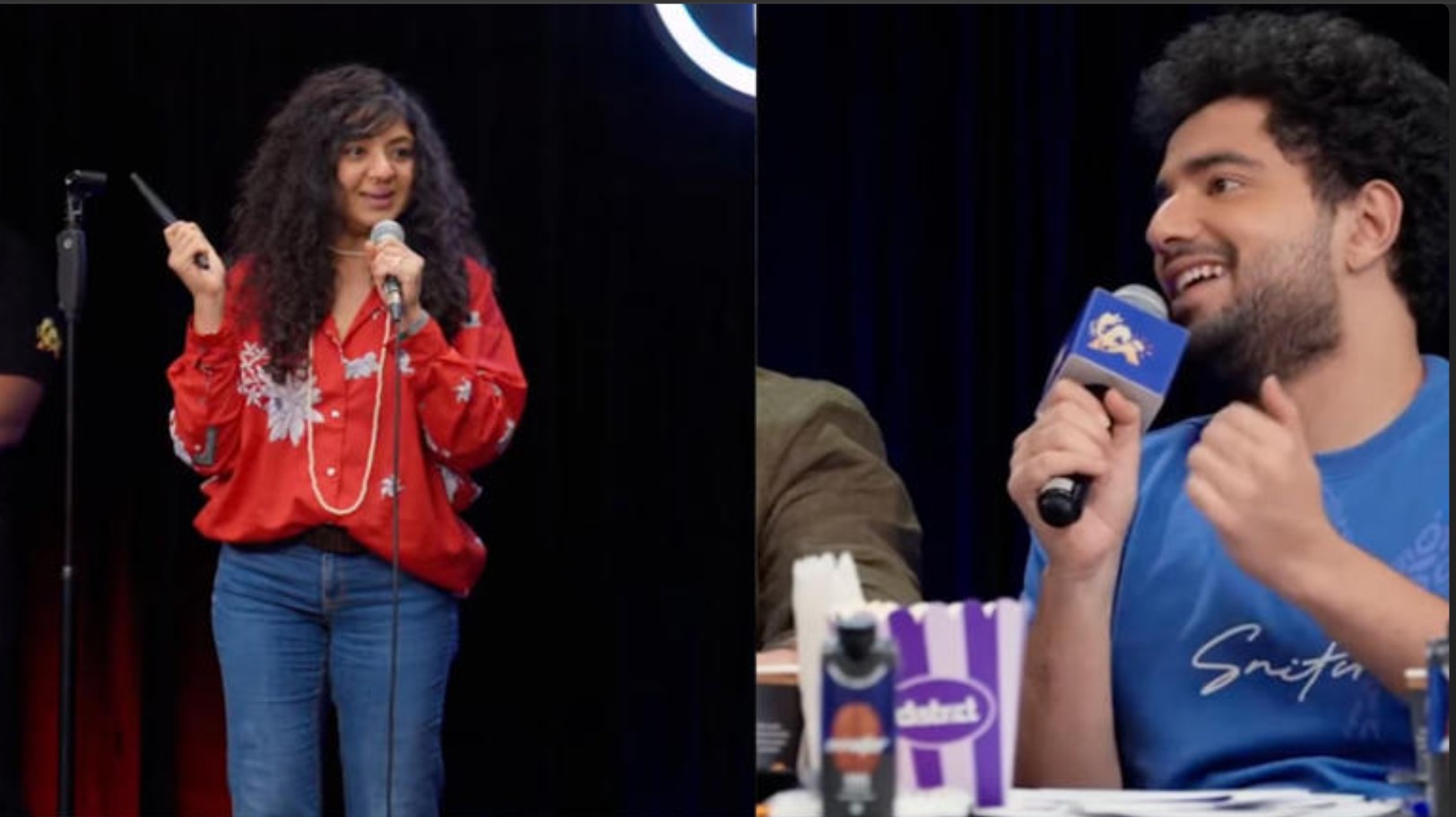






Urfi Javed has spoken out in support of Anjali Arora following the circulation of a private video that was falsely linked to the Lock Upp contestant. Urfi urged people to stop blaming women when intimate content is leaked without their consent and emphasised that the person whose privacy has been violated remains the victim.
Anjali had previously denied being the woman shown in the video and described the clip as fake. Despite her clarification, the incident triggered widespread discussion and online trolling.
Urfi Javed speaks up for Anjali Arora
In an interview with RJ Siddharth Kannan, Urfi addressed the controversy while making a broader point about victim blaming.
She argued that even if a woman had privately recorded an intimate video of herself, its unauthorised release would not make her responsible for the leak.
See more of our coverage in your search results.
Add Hunterfly on Google“Even if it is her and she didn’t want the video to be out. If it is leaked, she is still the victim here.”
Urfi’s comments focused on consent and privacy rather than the identity of the person appearing in the video. According to her, creating private content does not amount to giving permission for that content to be distributed publicly.
She further argued that a woman should not be blamed simply because an intimate recording exists.
‘She recorded the video for herself’
Explaining her position, Urfi said that a person who records something privately does so with an expectation that it will remain private.
“She recorded the video for herself. She didn’t want the world to see it.”
Her comments come against the backdrop of repeated instances in which leaked intimate material has led to intense online scrutiny of women rather than focusing on the unauthorised sharing of the material.
Urfi also criticised the tendency to question a woman’s behaviour, clothing or choices after such incidents, saying that society often shifts responsibility onto women instead of addressing the violation of privacy.
See more of our coverage in your search results.
Add Hunterfly on GoogleUrfi calls out victim blaming
The actor and television personality described victim blaming as a persistent problem and said women are frequently subjected to harsh judgments when private material becomes public.
She urged people to approach such situations with greater empathy rather than turning the affected woman into the target of online ridicule.
Urfi also pointed to the emotional consequences of having private photographs or videos circulated publicly. She said the person involved could experience a profound sense of exposure and discomfort when intimate material is suddenly accessible to strangers.
See more of our coverage in your search results.
Add Hunterfly on Google“That girl must be going through a lot because it’s a lot to deal with when your private pictures or videos are out there in the front for everyone to see.”
Her comments placed the focus on the emotional and privacy implications of non-consensual sharing rather than on sensationalising the material itself.
Anjali Arora had denied being in the video
Anjali had previously addressed the controversy herself, maintaining that she was not the person shown in the viral clip.
The incident nevertheless continued to generate speculation across social media, with some users targeting her despite her denial.
She also spoke about the impact the controversy had on her family, explaining that her relatives see her videos online and that the episode was particularly difficult for them.
The controversy illustrates how quickly unverified material can spread online and how difficult it can be for a person to control misinformation once it enters the public domain.
Why Urfi’s comments matter
Urfi’s intervention shifted the conversation away from speculation about the alleged video and toward a broader discussion about digital privacy and consent.
Her central argument was that intimate material belongs to the person who created or appears in it, and sharing such material without permission is a violation of privacy. Whether the material is authentic, manipulated or falsely attributed, public speculation can compound the harm caused to the person being targeted.
For Anjali, the episode has become another example of the intense scrutiny that can accompany life in the public eye.
Despite the controversy, she has continued to pursue entertainment projects. She rose to wider recognition through Lock Upp and has subsequently appeared in music videos and other projects.
Anjali has also been associated with the upcoming mythological film Shri Ramayan Katha, in which she is set to portray Sita. The role represents an important step in her transition from social-media personality and reality-show contestant to an actor taking on a major scripted character.
As the conversation around online privacy continues, Urfi’s message remains clear: a person whose private material is shared without consent should receive support and empathy, not blame.