








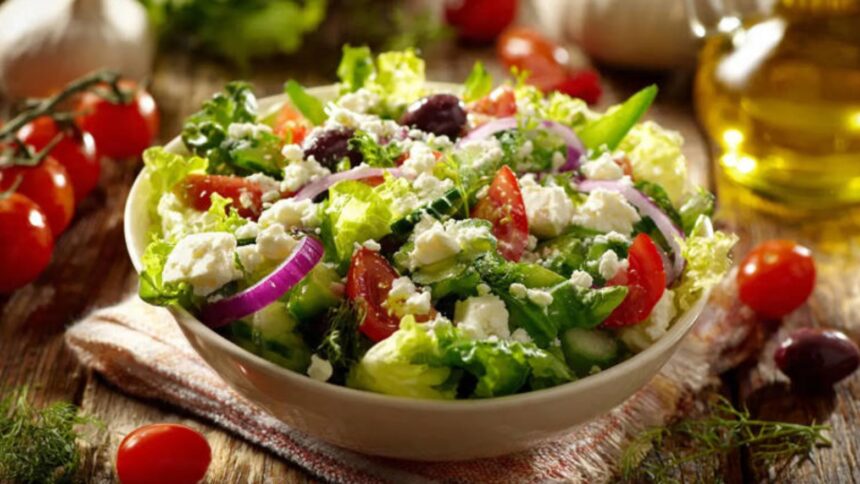
Salads have long been considered one of the healthiest meal choices for people trying to lose weight. However, simply filling a bowl with lettuce and cucumber is not enough to create a balanced, satisfying meal. The secret to making salads work for weight loss lies in choosing the right combination of ingredients that provide nutrition, keep hunger under control, and support long-term healthy eating habits.
When prepared with a balance of fresh vegetables, lean protein, healthy fats, and complex carbohydrates, salads become a nutrient-rich meal that helps you stay full while maintaining a calorie-conscious diet.
Why Salads Are Good for Weight Loss
Fresh vegetables are naturally low in calories while being rich in dietary fiber, vitamins, minerals, and antioxidants. Their high water content also contributes to hydration and helps create a feeling of fullness without adding excessive calories.
Including salads regularly in your meal plan may help:
See more of our coverage in your search results.
Add Hunterfly on Google- Increase daily fiber intake
- Improve digestion
- Reduce unnecessary snacking
- Support portion control
- Provide essential vitamins and minerals
- Encourage healthier eating habits
Build a Balanced Salad
A healthy salad should include more than just leafy greens. Combining different food groups creates a meal that provides sustained energy and keeps you satisfied for longer.
Fill Half the Bowl with Vegetables
Choose a variety of colorful vegetables such as:
- Spinach
- Lettuce
- Kale
- Cucumber
- Tomatoes
- Carrots
- Bell peppers
- Cabbage
- Beetroot
Different vegetables provide different nutrients, making variety an important part of a healthy diet.
Add a Quality Protein Source
Protein helps preserve muscle mass while promoting fullness.
Healthy options include:
See more of our coverage in your search results.
Add Hunterfly on Google- Grilled chicken
- Boiled eggs
- Paneer
- Tofu
- Chickpeas
- Lentils
- Kidney beans
Include Healthy Fats
Healthy fats improve flavor while helping the body absorb fat-soluble vitamins.
Choose moderate portions of:
- Olive oil
- Avocado
- Almonds
- Walnuts
- Pumpkin seeds
- Sunflower seeds
- Flaxseeds
Add Complex Carbohydrates
Small portions of whole grains or legumes provide lasting energy.
See more of our coverage in your search results.
Add Hunterfly on GoogleGood choices include:
- Brown rice
- Quinoa
- Sweet potato
- Corn
- Black beans
Common Salad Mistakes to Avoid
Even healthy salads can become high in calories if they contain excessive toppings or heavy dressings.
Avoid these common mistakes:
- Using creamy, high-calorie dressings
- Adding excessive cheese
- Including fried toppings
- Eating oversized portions
- Relying on the same ingredients every day
Instead, use simple dressings made with olive oil, lemon juice, herbs, black pepper, or yogurt for extra flavor without unnecessary calories.
Why Fiber and Protein Matter
Fiber slows digestion and helps maintain stable energy levels throughout the day. Protein supports muscle health and keeps hunger under control for longer periods.
Combining both nutrients in one meal helps reduce cravings between meals and supports sustainable weight management.
Best Time to Eat Salads
Many nutrition experts recommend eating a salad before your main meal. Starting with fiber-rich vegetables may help increase fullness, making it easier to avoid overeating during lunch or dinner.
Salads can also serve as a balanced lunch when they contain enough protein, healthy fats, and complex carbohydrates.
Keep Your Salads Interesting
Eating the same salad every day can quickly become repetitive. Experiment with seasonal vegetables, fresh herbs, roasted vegetables, fruits, nuts, and homemade dressings to create new flavors and textures.
Simple additions like mint, coriander, basil, roasted seeds, or a squeeze of fresh lemon can make every bowl more enjoyable.
The Bottom Line
Salads are one of the easiest ways to increase your intake of vegetables while supporting healthy weight management. The key is to prepare them as complete meals rather than simple side dishes. A balanced combination of vegetables, protein, healthy fats, and complex carbohydrates can help you stay full, reduce unnecessary snacking, and make healthy eating more enjoyable over the long term.