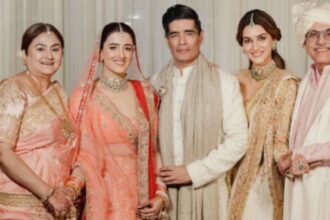








New Delhi: Jewellery brand GIVA has withdrawn a Rakshabandhan advertisement featuring actor Kriti Sanon following criticism and debate on social media over its portrayal of cultural traditions.
In a statement shared on Instagram, the brand said it held Indian culture, traditions and festivals in high regard and stated that it had never intended to hurt religious or cultural sentiments.
GIVA Says It Never Intended to Hurt Sentiments
Addressing the controversy, GIVA said that its campaign was intended to celebrate festive bonds while extending the idea of family and affection to pets.
“We have the highest regard and deep respect for Indian culture, traditions and festivals. As a brand, we have always believed in celebrating these joyous moments with the entire family and this time we wanted to extend the love and celebration to our pets,” the brand said.
See more of our coverage in your search results.
Add Hunterfly on GoogleGIVA added that if the advertisement had inadvertently hurt the sentiments of any section of society, causing offence was not its intention.
“Out of respect, we have withdrawn the said advertisement from all media,” the company said.
The brand concluded its statement by wishing people love and positivity during the festive season.
Kriti Sanon Responds to the Debate
The controversy followed criticism of a Rakshabandhan advertisement featuring Kriti Sanon. The actor appeared in an ethnic ensemble that became the subject of discussion online, with some social-media users questioning whether the styling was appropriate for a traditional festival.
Responding to the criticism, Kriti shared her views on Instagram and questioned why a woman’s clothing continued to be linked to perceptions about her respect for culture and traditions.
See more of our coverage in your search results.
Add Hunterfly on Google“The essence of festivals is not in the clothes you wear; it is in the emotions and meaning you hold for the traditions,” she wrote.
Kriti also shared her personal understanding of Rakshabandhan, describing it as a celebration of protection and mutual care.
“Rakshabandhan is a bond of protection. My sister and I tie rakhi to each other. We know we can protect each other no less than a brother would,” she wrote.
See more of our coverage in your search results.
Add Hunterfly on GoogleThe actor added that the values of care and protection were also reflected in the bond she shared with her pets.
“For us, this prayer and promise extends to our dogs too! After all, they are family!” Kriti said.
“Culture and Traditions Are in Her Heart”
In her statement, Kriti also addressed the larger debate surrounding women’s clothing and cultural expectations.
“Ethnic fashion has evolved over the years, but still a woman’s respect for her culture is measured by just her clothes,” she wrote.
“Culture and traditions are in her heart, not in her neckline!”
Her comments led to further discussion online about women’s freedom of choice, cultural expression and the way clothing is judged in public conversations.
Rahul Gandhi Shares His Response
Congress leader Rahul Gandhi also reacted to the debate and expressed support for a woman’s freedom to make choices about her clothing and personal life.
“What a woman wears, what she does, and where she goes — is her choice. Stop trolling women for exercising their freedom,” he wrote in a social-media post.
His comments added a political dimension to a discussion that had initially centred on the advertisement and its portrayal of a festival.
Kangana Ranaut Also Reacts
Actor and BJP MP Kangana Ranaut also shared her views on the advertisement through her Instagram Stories.
Commenting on the campaign’s styling and presentation, Kangana questioned the creative choices associated with the Rakshabandhan-themed advertisement and described the campaign as appearing “intentionally creepy.”
Her remarks reflected the divided response that the advertisement received online.
A Wider Conversation About Festivals, Fashion and Representation
The withdrawal of the advertisement has added to a broader discussion about how brands approach cultural and religious festivals in advertising.
Festive campaigns frequently attempt to reinterpret traditions for contemporary audiences. While such approaches can receive appreciation from some viewers, they can also lead to criticism when audiences feel that a campaign’s representation does not align with their understanding of a tradition.
The debate surrounding the GIVA advertisement also highlights a separate but connected issue: the continuing scrutiny of women’s clothing and the extent to which fashion choices are judged through cultural expectations.
GIVA Withdraws the Campaign
For now, GIVA has confirmed that it has withdrawn the advertisement from its media platforms.
The company said its decision was taken out of respect for people whose sentiments may have been hurt, while maintaining that causing offence was not the purpose of the campaign.
The controversy has once again demonstrated how quickly advertising campaigns can become part of larger conversations about tradition, representation, gender and freedom of expression.
As public discussion around the campaign continues, the differing responses underline that festivals and cultural symbols can carry deeply personal meanings for different audiences.