


Dia Mirza Rekhi has spent 25 years in the public eye, moving between acting, production, fashion and social advocacy. But as her career has evolved, she says one question has become increasingly important when deciding which stories to tell: why does this story need to be told, and what impact can it have?
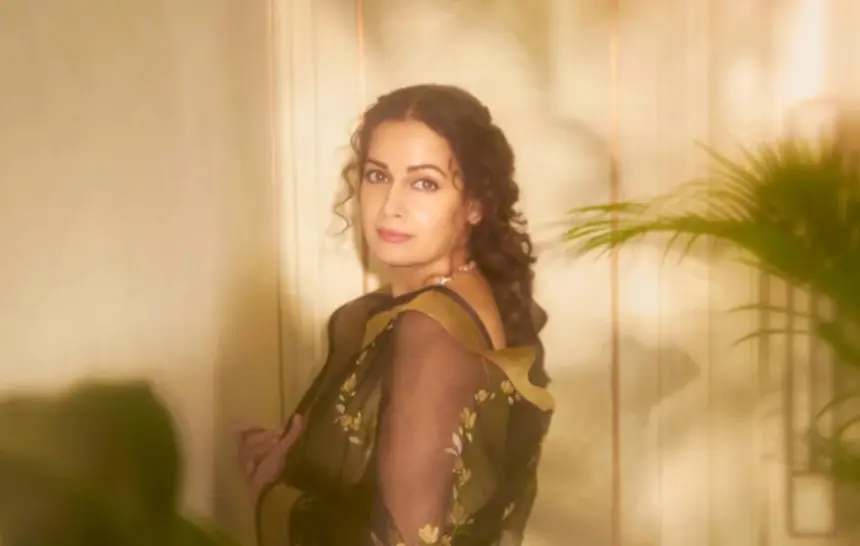
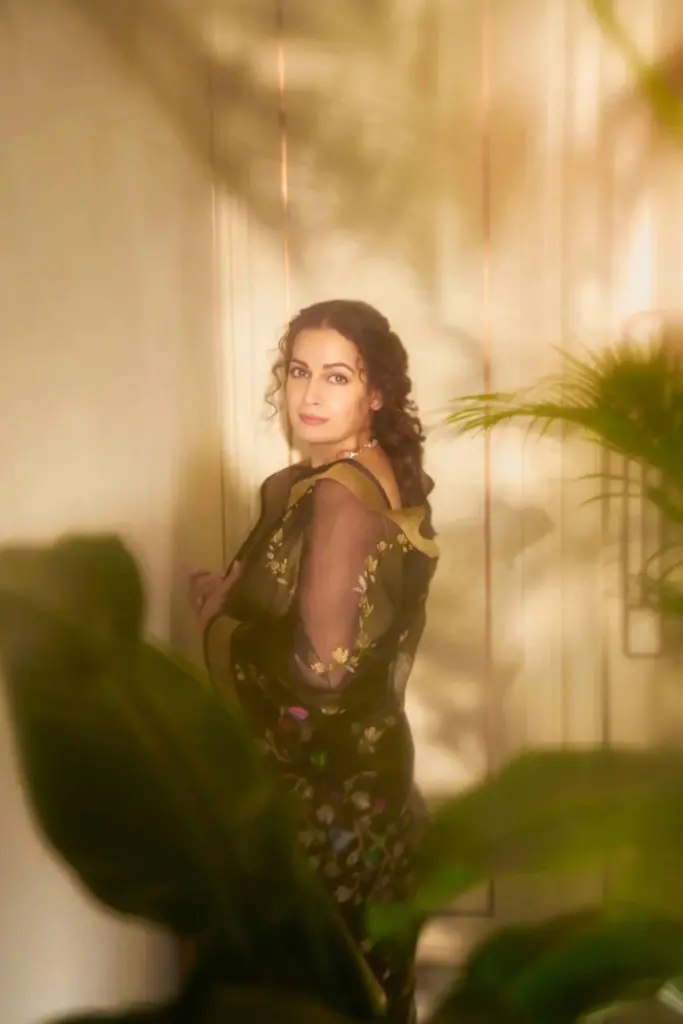
In an exclusive shoot and conversation with HT City Showstoppers, the actor spoke about choosing meaningful roles, the response to her latest show Operation Safed Sagar, environmental action, women’s representation and the stories behind the clothes she wears.
Dia Mirza Rekhi on Choosing Stories With Purpose
For Dia, the appeal of a project is no longer simply determined by the size of a role or the amount of screen time.
She explained that she increasingly asks herself why a particular story is being told and what impact it could have. From there, she considers the importance of the character and what that character contributes to the larger narrative.
“Those answers matter to me more than ever. And then, of course, it extends itself to: Why does the character matter, and what can this character contribute?”
Her approach reflects a career that has gradually expanded beyond mainstream acting into production and socially conscious work.
For Dia, a character does not necessarily have to be the lead to be meaningful. What matters more is the depth and purpose behind the role.
“It’s not about length, but really about depth.”
Operation Safed Sagar Reinforces Her Approach
Dia’s perspective has also shaped her response to the reception of her latest project, Operation Safed Sagar, a military drama.
She said she was particularly pleased with the audience response because of the care that went into creating the story. According to Dia, the project benefited from an unhurried approach to research, writing, filming and execution.
That process matters to her because she believes stories gain strength when their creators take the time to understand what they are trying to communicate.
Rather than simply looking for projects that offer visibility, Dia appears increasingly drawn towards stories that have something meaningful to say.
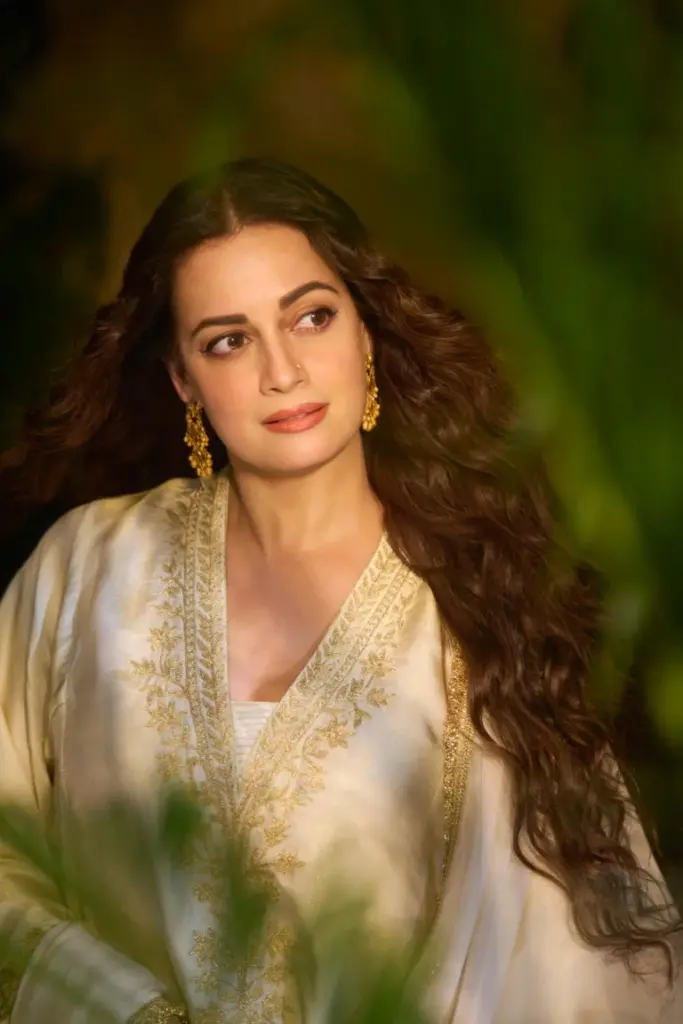
Dia Mirza on Climate Change and Environmental Action
Dia’s sense of purpose extends beyond her acting career. Environmental issues have been an important part of her public advocacy for years, and she believes conversations around the environment need to become more closely connected to everyday human life.
She pointed to what she described as the “triple planetary crisis” of climate change, pollution and biodiversity loss.
For Dia, environmental action is not merely an abstract conversation about the planet. It is ultimately connected to human survival and the kind of world future generations will inherit.
Despite the scale of the challenges, she describes herself as an optimist.
“I’m an optimist. I would like to believe we care enough about our own survival to do better – and, hopefully, a lot more of it.”
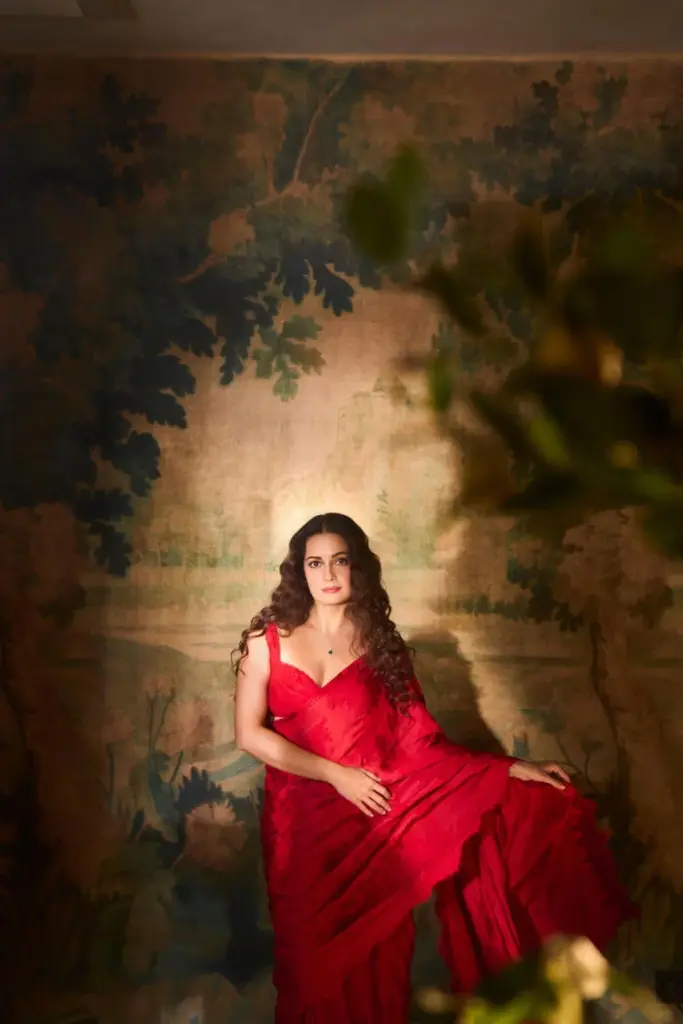
“Just Speaking Up Is Not Enough”
One of the strongest themes in Dia’s advocacy is the importance of turning awareness into action.
“Just speaking up is not enough.”
For her, raising one’s voice about an issue has value only when it is accompanied by meaningful steps towards addressing it.
Dia has also spoken about the criticism that can accompany public advocacy. She says her activism has consistently come from a place of love, which has helped her deal with negative reactions.
“I have always responded from a place of love, so the hate has never bothered me.”
Her public work has included advocacy around environmental sustainability, women’s participation in decision-making and the rights and wellbeing of children.
Dia has also served as a UN SDG Advocate and UNEP Goodwill Ambassador, using her public platform to discuss issues including climate action, representation and women’s leadership. Her association with Save the Children has likewise connected her to advocacy concerning vulnerable children.
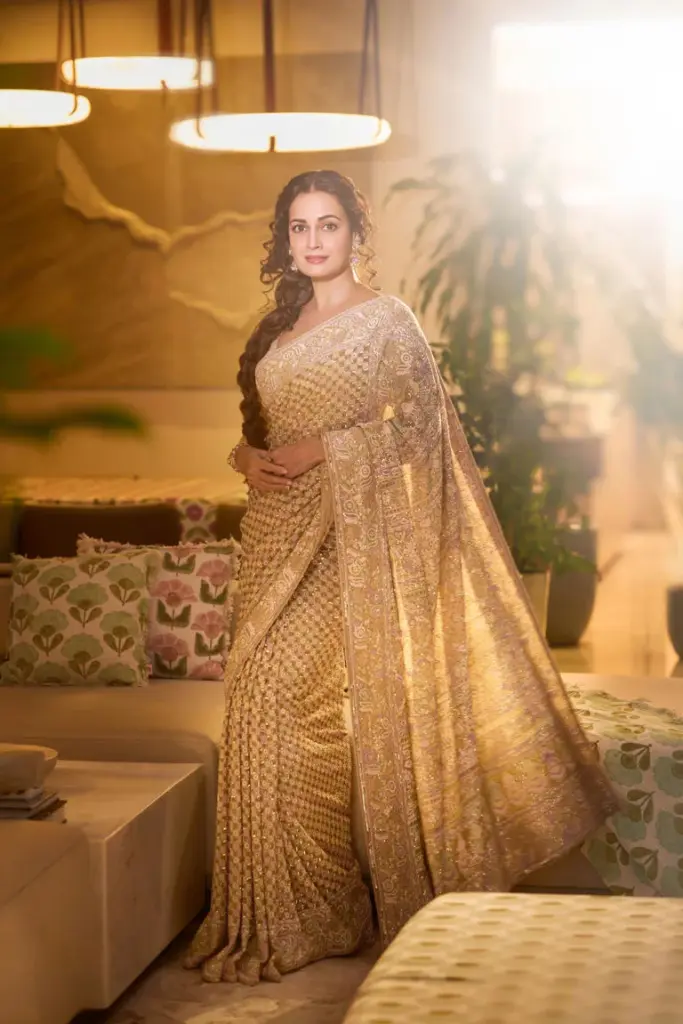
Dia Mirza on Women, Representation and Social Justice
For Dia, environmental concerns and social issues are not separate conversations.
Her advocacy around women and children forms part of a broader belief in creating a society that is more equitable and compassionate. She has repeatedly used her visibility to encourage greater participation by women in decision-making and to highlight the importance of representation.
That approach also mirrors her philosophy about storytelling. Whether she is discussing a film character or a social issue, Dia appears interested in the larger question of what a person’s voice can contribute.
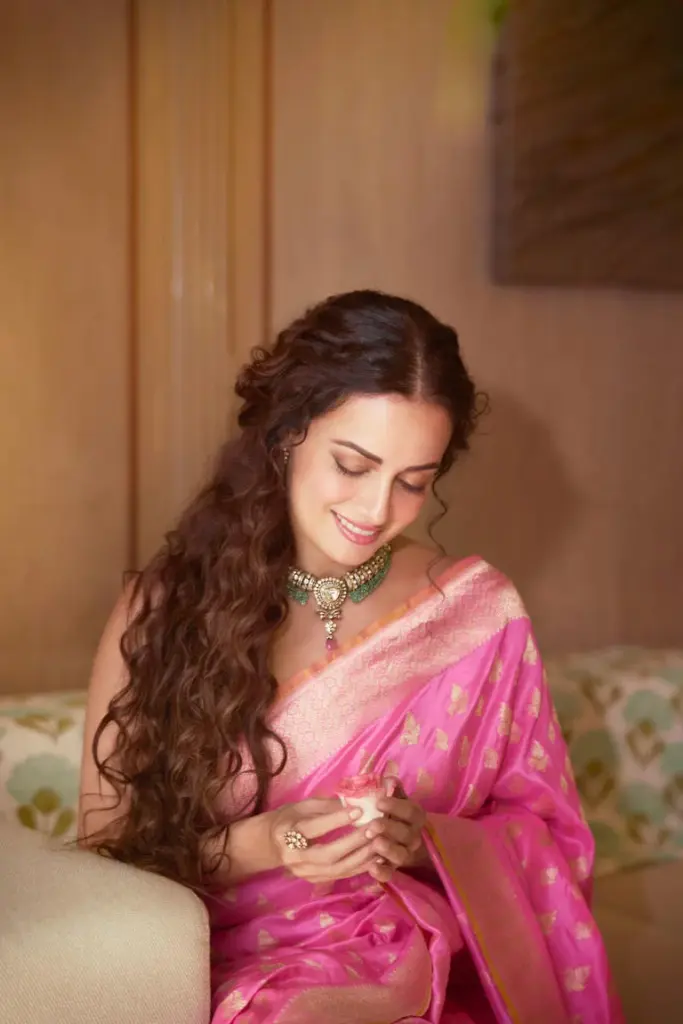
Why Fashion Is About Stories, Not Trends for Dia Mirza
Dia’s philosophy of storytelling extends into fashion as well.
After spending decades in an industry where trends change rapidly, she says fashion has never been primarily about following what is currently popular.
“For me, fashion has never been about what is in trend. It’s always been about seeking stories.”
She is particularly drawn to handwoven textiles, traditional crafts, artisanship and community-based craftsmanship.
Her interest in clothing and textiles began with her mother’s wardrobe. She recalls seeing garments that represented more than fashion—they carried histories and memories.
According to Dia, the pieces in her mother’s wardrobe contained:
“a powerful, beautiful story of our legacy, of our history, of many centuries of inheritance.”
That connection between clothing and heritage continues to influence the way she approaches fashion today.
Dia Mirza’s Most Treasured Fashion Possession
Among the pieces closest to her is a saree that belonged to her great-grandmother.
Dia estimates that the saree could be at least 300 years old. She has worn it previously and intends to wear it again.
The piece represents precisely what she values about fashion: not simply appearance, but the history, craftsmanship and memories attached to an object.
In that sense, the saree also reflects Dia’s wider philosophy. Her career may continue to evolve, but her approach remains connected to heritage while looking towards the future.
Dia Mirza’s 25-Year Journey
Twenty-five years after entering the entertainment industry, Dia Mirza has developed a career that extends well beyond acting.
She has worked as an actor and producer while becoming increasingly associated with environmental and social advocacy. Her recent comments suggest that purpose has become a central filter through which she views both her professional choices and her public work.
Whether discussing a film, environmental action or a centuries-old saree, the common thread is storytelling—and the belief that stories matter most when they carry meaning beyond themselves.
HT City Showstoppers Shoot Credits
Creative Director: Shara Ashraf
Prayag Mishra
Photographer: Tejas Nerurkar
Stylist: Theia Tekchandaney
Makeup: Harry Rajput
Hair: Vithika Jaiswal
Home Décor & Soft Furnishings: House of the Designery
Plant Partner: Plant People
Location
The cover shoot took place at Prestige Nautilus, Mumbai, a sea-facing residential development by Prestige Group in Worli. The project is described as featuring high-rise towers and luxury residences along with a rooftop clubhouse.