





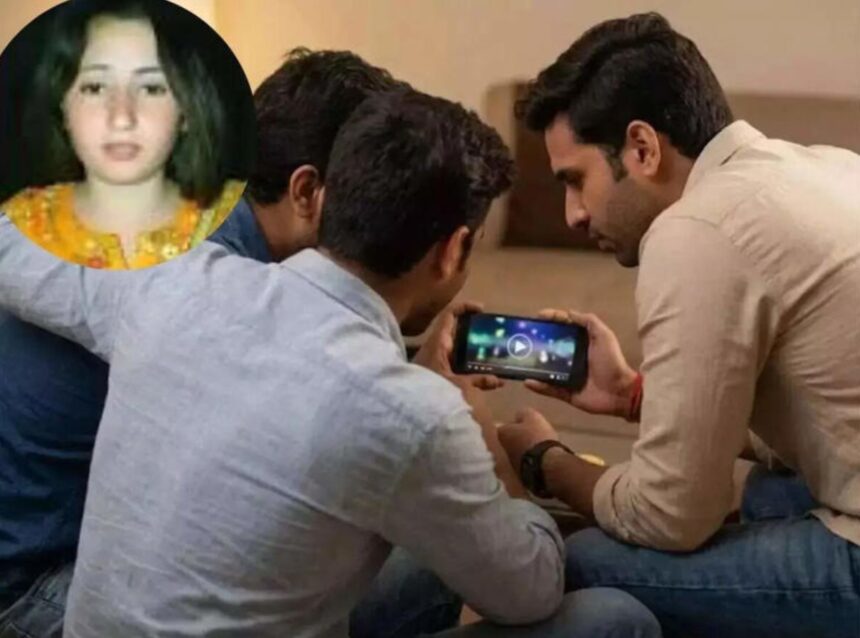
A name, a supposed “viral MMS video,” and a sudden connection to Assam — posts mentioning Sarah Baloch have been circulating widely across WhatsApp groups and social media platforms in India.
The messages claim to show a shocking video involving the Pakistani influencer and urge users to click a link to watch it. Many people, curious about the viral claim and the mention of Assam, are clicking and sharing the link without knowing the potential risks it may pose to their devices and personal data.
Who Is Sarah Baloch?
Sarah Baloch is a Pakistani social media influencer known for sharing lifestyle, fashion and travel content on Instagram and TikTok.
She has built a sizable following online, with high engagement on her posts. Because of her popularity, scammers often misuse her name and images to create attention-grabbing clickbait content.
See more of our coverage in your search results.
Add Hunterfly on GoogleIn this case, cybercriminals appear to be using her name and older video clips without permission to spread misleading links and attract clicks.
What Is the Sarah Baloch Viral Video?
The so-called “Sarah Baloch viral MMS video” circulating online is not authentic.
According to reports, the clip has been created by combining unrelated old videos of the influencer and attaching blurred thumbnails with sensational text to make it appear scandalous.
The content has no real connection to Sarah Baloch. Instead, it is designed as bait to direct users toward unsafe or suspicious websites.
Why Is Assam Being Mentioned?
To make the posts appear more believable to Indian users, scammers have added a local element.
See more of our coverage in your search results.
Add Hunterfly on GoogleSeveral viral messages claim the video is linked to a “shocking incident in Assam” or breaking news from the state.
However, there is no verified incident related to such claims. The Assam reference is only used to increase curiosity and encourage more people to click the link.
How the Viral MMS Scam Works
The phishing campaign typically follows a common pattern:
See more of our coverage in your search results.
Add Hunterfly on GoogleThe hook:
A blurred image of Sarah Baloch with a sensational headline mentioning a viral video and an Assam connection.
The redirect:
Clicking the link opens suspicious websites instead of a legitimate news report.
The trap:
Users are asked to verify their age, log in to social media, or complete a step to watch the video — allowing scammers to collect personal information.
In some cases, hidden scripts may install spyware or adware on the user’s device.
What Happens If You Click the Link?
Opening or downloading the fake MMS link can lead to several risks, including:
- Malware installation on your phone
- Theft of banking details or OTP codes
- Access to private photos, contacts and files
- Possible financial fraud within minutes
Sharing the same link further spreads the scam and may expose more users to cyber threats.
Warning Signs of a Viral Scam
There are a few clear indicators that such viral links may be part of a phishing campaign:
- A foreign influencer suddenly linked to a local incident in Assam
- Suspicious or shortened URLs that do not belong to credible news websites
- Pages asking users to share the link with WhatsApp groups to unlock the video
These patterns are commonly used in online scams to increase reach quickly.
What To Do If You Receive Such a Message
If you receive a message claiming to show the Sarah Baloch viral video, follow these steps:
- Do not click or forward the link
- Delete the message immediately
- Inform the sender that it may be harmful
- Clear your browser cache and cookies
- Check phone app permissions and remove unknown apps
- Enable two-factor authentication on banking and social media accounts
Staying cautious while dealing with viral links is essential to protect personal data and avoid online scams.