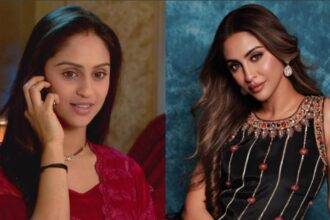





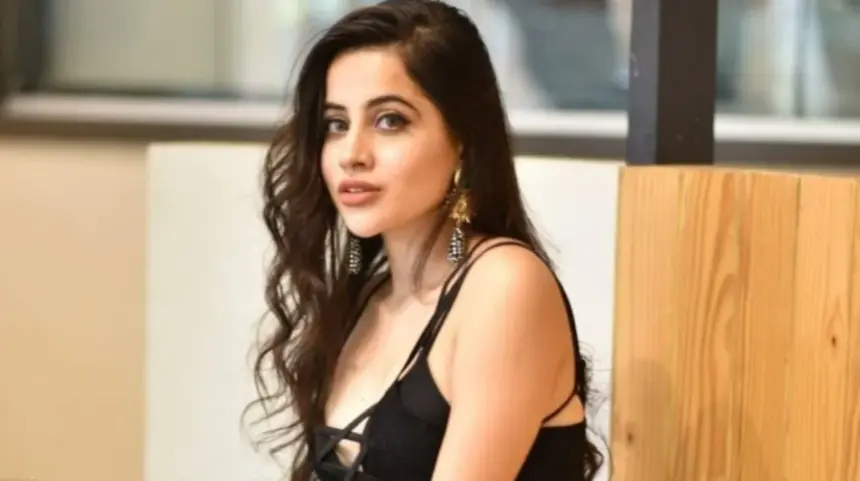
From conventional television roles to experimental street fashion, Uorfi Javed’s public journey highlights the criticism women face when their personal style challenges expectations of modesty and respectability.
Uorfi Javed, also known as Urfi Javed, has built a public identity that looks very different from the characters she once portrayed on Indian television. Known for her unconventional clothing, handmade fashion experiments and outspoken responses to criticism, the former Bigg Boss OTT contestant has repeatedly sparked conversations about celebrity culture and freedom of expression.
Her style has attracted both supporters and detractors. Yet the wider debate surrounding her appearances extends beyond whether a particular outfit is fashionable.
It raises a question about Indian television: Why are women who portray traditionally respectable characters on screen sometimes expected to follow similar standards in their personal lives?
An earlier public disagreement involving jewellery designer Farah Khan Ali brought those expectations into sharper focus.
Uorfi Javed’s Fashion Dispute With Farah Khan Ali
In 2022, Uorfi became involved in a public disagreement with Farah Khan Ali after the designer criticised her clothing choices.
Ali reportedly commented that Uorfi needed to be reprimanded for what she considered inappropriate dressing, suggesting that people were making fun of her outfits rather than appreciating them.
Uorfi rejected the unsolicited criticism, and the exchange attracted attention in entertainment coverage.
The disagreement illustrated how differently celebrities and commentators can interpret unconventional fashion.
For some observers, unusual clothing represents a departure from established standards of taste. For others, the ability to experiment without seeking approval is an important part of individual expression.
The controversy also highlighted the distinction between offering an opinion about fashion and making judgments about the person wearing it.
From Television Roles to an Unconventional Public Identity
Before becoming widely associated with experimental fashion, Uorfi worked in Hindi television serials.
Her acting credits included appearances in Chandra Nandini, Saat Phero Ki Hera Pherie, Yeh Rishta Kya Kehlata Hai and Kasautii Zindagii Kay.
These programmes placed her within the established world of Indian television, where actors often become associated with the personalities and values of their fictional characters.
Uorfi’s later public image developed in a considerably different direction.
Instead of following conventional celebrity styling, she began attracting attention through clothes made with unusual materials, experimental silhouettes and attention-grabbing design concepts.
These fashion choices became central to her social media identity and generated frequent discussion.
Her transition illustrates how an entertainer can build a public profile that extends beyond the roles that first introduced them to audiences.
How Bigg Boss OTT Added to Her Visibility
Uorfi participated in the first season of Bigg Boss OTT in 2021, hosted by filmmaker Karan Johar.
Although she became the first contestant eliminated from the season, her association with the reality show remained part of her public identity.
For entertainment personalities, reality television can provide exposure even when participation is brief.
Unlike scripted programmes, reality shows introduce audiences to contestants through conversations, reactions and interpersonal dynamics rather than fictional characters.
Uorfi’s subsequent fashion experiments gave audiences another reason to follow her activities beyond television.
Her later visibility demonstrates that appearing in a reality competition is not necessarily the final measure of a participant’s entertainment career.
Why Uorfi’s Fashion Attracted So Much Attention
One of the most recognizable elements of Uorfi’s public appearances is her willingness to use unconventional materials and unexpected designs.
Rather than limiting herself to familiar red-carpet trends, she has treated clothing as a way to create striking visual statements.
Her outfits have frequently been photographed, shared and debated across entertainment platforms.
This visibility can create an ongoing cycle of attention. A fashion experiment attracts photographers, images circulate online, and the resulting reactions introduce the personality to more viewers.
However, the same visibility also exposes public figures to harsh personal commentary.
In Uorfi’s case, criticism has often extended beyond design preferences to questions about modesty, respectability and how women should dress.
These reactions help explain why conversations about her fashion frequently become discussions about social expectations.
Why Uorfi Javed Has Been Compared With Rakhi Sawant
Some entertainment commentators have compared Uorfi with Rakhi Sawant because both personalities have attracted controversy while maintaining highly recognizable public identities.
The comparison is not necessarily about similar fashion choices.
Instead, it reflects how both women have used outspoken personalities and public visibility to remain subjects of entertainment discussion.
Rakhi became widely known for her candid remarks and appearances in popular entertainment formats. Uorfi’s recognition, by contrast, has been closely linked to experimental clothing and social media.
Their careers unfolded in different media environments, making any direct comparison limited.
Nevertheless, the comparison demonstrates how celebrity women who depart from conventional expectations can attract intense scrutiny alongside public attention.
Reducing either personality solely to controversy would overlook the different professional experiences and choices that shaped their careers.
The Debate Around Television’s Sanskaar and Maryada
Indian television has a long tradition of family-oriented storytelling, including characters associated with duty, modesty and cultural expectations.
These fictional portrayals can shape how viewers perceive the actors who play them.
However, a performer’s real-life personality and clothing preferences do not have to match those of a character.
This distinction becomes particularly relevant when actresses receive criticism for wearing outfits that some viewers consider inconsistent with their television image.
The issue is not whether audiences are required to admire every fashion choice. Viewers can express preferences, disagreements and criticism.
The more significant question is whether those opinions become personal attacks or attempts to impose moral standards on an individual’s private choices.
Uorfi’s experiences have repeatedly placed her at the centre of this discussion.
Other Television Actresses Have Faced Similar Criticism
Uorfi is not the only television personality whose clothing choices have attracted public scrutiny.
Actress Nia Sharma, known for television programmes including Ek Hazaaron Mein Meri Behna Hai and Naagin, has also received criticism over her fashion choices.
Her transition from familiar television roles to a more experimental public style prompted discussions about the expectations placed on female performers.
Sonarika Bhadoria, who portrayed Goddess Parvati in Devon Ke Dev…Mahadev, also faced criticism after sharing photographs of herself wearing a bikini.
The reactions demonstrated how some viewers associated her personal clothing with the religious character she had portrayed.
Although these situations involved different people and circumstances, they reveal a recurring tension between an actress’s professional image and her freedom to make personal choices.
The Role of Social Media in Celebrity Fashion
Social media has changed how entertainers develop relationships with audiences.
Television personalities no longer depend exclusively on scripted programmes, promotional interviews or film appearances to remain visible.
Platforms such as Instagram allow public figures to share photographs, videos and personal updates directly with followers.
For fashion-oriented personalities, these channels can also function as portfolios of creative expression.
Unconventional styling can travel quickly across digital platforms, particularly when posts prompt strong reactions.
However, online popularity should not be confused with universal approval.
A viral appearance may generate admiration, curiosity, disagreement and criticism simultaneously.
Uorfi’s rise illustrates the complicated relationship between attention and acceptance in digital celebrity culture.
Individual Expression Versus Public Judgment
The conversations surrounding Uorfi’s clothing underline a broader distinction between artistic freedom and public opinion.
Fashion is subjective. What one person considers imaginative may appear excessive or unconventional to someone else.
Public figures are not exempt from criticism, and viewers remain free to evaluate the designs they see.
But criticism of an outfit is different from harassment, degrading remarks or suggestions that a woman’s worth should be determined by her clothing.
Uorfi’s willingness to challenge negative commentary has made her an identifiable figure in this debate.
Her story also highlights the difficulties performers may encounter when trying to establish an identity separate from the roles audiences already know.
A Fashion Identity Beyond Television Expectations
Uorfi Javed’s journey from scripted television to a highly recognizable social media presence reflects changing opportunities within the entertainment industry.
Her unconventional outfits have not appealed to everyone, but they have become an unmistakable part of her public image.
The debate surrounding her fashion is also a debate about the standards applied to women in public life and the extent to which entertainers are expected to conform to audience expectations.
Ultimately, Uorfi’s story demonstrates that personal style can generate conversations extending far beyond clothing.
Whether viewers admire her experiments or question their aesthetic appeal, her public journey remains an example of how celebrity identity, social media and changing cultural expectations intersect.
Have a story tip or feedback? Write to [email protected].
© Hunterfly.in. Original editorial content.