


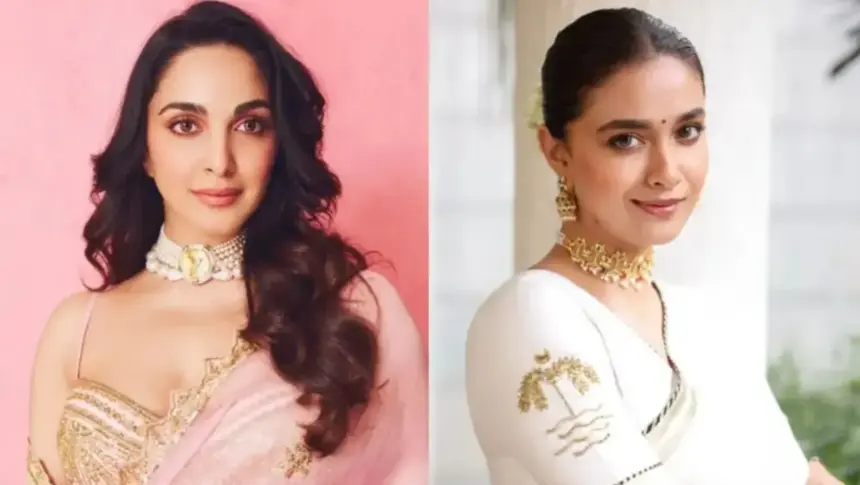
Sai Pallavi’s selection to portray Maa Sita in Nitesh Tiwari’s ambitious film Ramayana has generated considerable interest among cinema audiences. While the actor brings an impressive body of work to the role, it is worth imagining how other talented performers might have approached one of Indian mythology’s most revered characters.
Few casting decisions in Indian cinema carry the expectations associated with portraying Sita in a major screen adaptation of the Ramayana.
The character holds deep cultural and religious significance, and audiences familiar with the epic often have strong ideas about how she should be represented.
With Sai Pallavi associated with the role in filmmaker Nitesh Tiwari’s Ramayana, discussions about her casting have drawn attention to the challenges of bringing a widely respected mythological figure to the big screen.
Sai Pallavi has earned recognition for performances that combine emotional restraint, natural dialogue delivery and expressive characterisation.
Nevertheless, casting conversations can be an interesting way to examine the different artistic qualities actors might bring to the same role.
If Sai Pallavi had not been chosen, which actresses could have offered a distinctive interpretation of Sita?
Here are four performers whose previous work makes them interesting hypothetical choices.
Why Casting Sita in Ramayana Is Such a Significant Decision
Sita is far more than a conventional leading character in a historical or fantasy drama.
Across versions and interpretations of the Ramayana, she is associated with courage, dignity, devotion, moral conviction and extraordinary resilience.
Her journey includes deeply emotional experiences, difficult decisions and moments that require both quiet strength and unwavering determination.
An actor portraying Sita must therefore communicate more than an idealised image of grace.
The performance also requires emotional complexity, restraint and the ability to express internal conflict without relying entirely on dialogue.
The demands become even greater in a large-scale cinematic production, where visual spectacle must coexist with convincing human emotion.
Sai Pallavi’s casting can be understood in that context. Her work across Tamil, Telugu and Malayalam cinema has frequently demonstrated an ability to portray emotionally complex characters with subtlety.
However, several other Indian actresses have also delivered performances that suggest they could bring compelling qualities to the role.
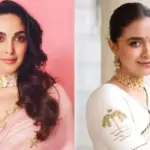
1. Kiara Advani: An Actor With Emotional Range
Kiara Advani would be an interesting hypothetical choice for Sita, particularly because of her experience portraying characters navigating complicated relationships and emotional challenges.
Her performance in Satyaprem Ki Katha offered an example of her ability to explore vulnerability and personal strength within a mainstream romantic drama.
As Katha, she portrayed a woman dealing with trauma and the complexities of trust, requiring a performance that balanced emotional intensity with moments of restraint.
Kiara has also appeared in films such as Kabir Singh and Shershaah, demonstrating her ability to work across different dramatic settings.
For an adaptation of the Ramayana, these qualities could be relevant to scenes involving separation, loyalty and difficult personal choices.
A portrayal of Sita cannot depend only on costumes, dialogue or visual presentation. It needs an actor capable of making the character’s emotional experiences convincing.
Kiara’s strength in contemporary emotional drama could provide an interesting foundation for such a performance.
The larger challenge would be adapting that screen presence to the formal dialogue, cultural context and storytelling demands of a mythological epic.
Why she could work: Her experience with emotionally demanding roles could help bring sensitivity and depth to Sita’s personal journey.
2. Keerthy Suresh: A Strong Contender for a Layered Performance
Keerthy Suresh stands out as another compelling possibility because of her experience portraying a prominent real-life personality in a period setting.
Her performance as legendary actor Savitri in Mahanati earned her the National Film Award for Best Actress.
The biographical drama required Keerthy to portray different stages of Savitri’s life, including professional achievement, personal struggles and emotional transformation.
One of the strengths of that performance was her ability to balance the larger-than-life image of a celebrated cinema personality with recognisable human vulnerability.
Those skills could be relevant to a character such as Sita, who is both a revered figure and a central participant in an emotionally complex narrative.
A mythological role requires performers to communicate feelings within a more stylised dramatic world than contemporary films usually provide.
Keerthy’s experience with period storytelling suggests that she could approach that challenge with confidence.
Her work also reflects an ability to portray characters who maintain their dignity even while confronting difficult circumstances.
Why she could work: Her award-winning performance in Mahanati demonstrates the emotional range and period-drama experience that could support a thoughtful interpretation of Sita.
3. Aishwarya Lekshmi: Understated Acting and Expressive Storytelling
Aishwarya Lekshmi has developed a reputation for performances that combine emotional accessibility with a natural screen presence.
Her work across Malayalam and Tamil cinema has allowed her to explore characters with different personalities, motivations and personal conflicts.
In Gatta Kusthi, she portrayed a woman whose personal ambitions and identity become central to the film’s examination of marriage and expectations.
The role required humour, assertiveness and the ability to convey emotional changes as the story progressed.
Aishwarya also appeared in Ponniyin Selvan, Mani Ratnam’s period epic, gaining experience with an elaborate historical cinematic world.
Although a historical drama and a mythological adaptation present different storytelling challenges, the experience of working within a large-scale period production could be useful.
For Sita, Aishwarya’s restrained acting style might offer an interpretation that emphasises thoughtful dialogue delivery and emotional expression.
The character’s strength is often communicated through conviction rather than physical confrontation, making subtle performance choices particularly important.
Why she could work: Her combination of naturalistic acting and experience in period cinema could lend emotional credibility to a restrained portrayal of Sita.
4. Pranitha Subhash: Experience Across South Indian Cinema
Pranitha Subhash is another actress who could be considered in a hypothetical casting discussion.
Having worked in Kannada, Telugu and Tamil films, she has experience performing for audiences across different regional industries.
Her filmography includes projects such as Porki, Attarintiki Daredi and Ramana Avatara.
These films reflect her experience in commercial cinema and her familiarity with different filmmaking styles.
For a character such as Sita, however, the demands would be distinct from those of a conventional commercial-film role.
The performance would require considerable emotional preparation, an understanding of the character’s place in the epic and an ability to sustain a serious dramatic presence.
Pranitha’s experience across multiple industries could provide a foundation for adapting to a new cinematic environment.
A convincing portrayal would ultimately depend on the director’s interpretation, the screenplay and the actor’s preparation rather than any one aspect of her appearance or previous roles.
Why she could work: Her cross-industry acting experience makes her an interesting alternative to consider, although the role would present a significant dramatic challenge.
What Makes Sai Pallavi a Compelling Choice for Sita?
While imagining alternative casting possibilities can be entertaining, Sai Pallavi’s own acting record deserves consideration.
She has established herself through performances in films such as Premam, Fidaa, Gargi and Amaran.
Her acting style is often characterised by expressive reactions, emotional conviction and a willingness to portray characters without excessive glamour.
In Gargi, for example, she played a woman confronting a difficult and deeply personal crisis.
The performance demanded seriousness, emotional control and the ability to convey determination under pressure.
Those qualities are relevant to a cinematic portrayal of Sita, particularly if the adaptation gives meaningful attention to her agency and personal decisions.
Sai Pallavi’s background in performance-oriented films also offers an advantage in a production where emotional storytelling must remain convincing amid elaborate sets and visual effects.
The suitability of an actor for a mythological role ultimately cannot be determined from appearance, promotional photographs or online reactions alone.
Much depends on how the character is written, directed and performed.
Until audiences have the opportunity to evaluate the completed film, conclusions about the effectiveness of her casting remain premature.
How Should Sita Be Portrayed in a Modern Ramayana Adaptation?
A major challenge for any filmmaker adapting the Ramayana is finding a balance between reverence for the source traditions and the requirements of cinematic storytelling.
Sita’s character has been interpreted in different ways across literary, regional and performance traditions.
Some interpretations emphasise her devotion and patience, while others give particular attention to her courage, independence and moral judgement.
A thoughtful film adaptation can acknowledge these qualities without reducing the character to a single defining trait.
The actor chosen for the role must work within that interpretation.
Subtle facial expressions may be essential in moments of personal suffering, while other scenes may require a strong sense of resolve and clarity.
The screenplay, dialogue, direction, costume design and performance will all contribute to the audience’s understanding of the character.
This is why the debate should extend beyond which actress looks most suitable in traditional clothing.
The more important question is which performer can best bring the director’s vision of Sita to life.
Could Any of These Actresses Have Matched Sai Pallavi’s Performance?
Kiara Advani, Keerthy Suresh, Aishwarya Lekshmi and Pranitha Subhash bring different strengths to the discussion.
Kiara has experience with emotionally intense mainstream dramas.
Keerthy has demonstrated her ability to portray a celebrated figure through a layered, award-winning performance.
Aishwarya brings naturalistic acting skills and experience within large-scale period storytelling.
Pranitha offers a varied film background across several South Indian industries.
Each could potentially approach Sita from a different dramatic perspective.
However, there is no objective way to determine which actress would have delivered the strongest performance in a film they have not made.
Screen tests, character preparation, dialogue, direction and the chemistry between performers can substantially influence casting outcomes.
The four names discussed here are hypothetical alternatives, not confirmed candidates or reported replacements.
Final Verdict: Who Would Be the Most Interesting Alternative?
Among these four actresses, Keerthy Suresh would be a particularly interesting alternative from a performance perspective.
Her work in Mahanati demonstrated an ability to inhabit a demanding period role while balancing emotional vulnerability and personal strength.
Aishwarya Lekshmi would also be an intriguing possibility, especially for an interpretation of Sita built around understatement and inner resolve.
Kiara Advani could bring emotional accessibility to the role, while Pranitha Subhash would represent a less conventional casting option.
Ultimately, these possibilities do not diminish Sai Pallavi’s credentials.
Her selection offers an opportunity to see how one of contemporary Indian cinema’s respected performers approaches an iconic character.
The true measure of the casting will be the completed film and the depth of its storytelling.
Until then, alternative casting discussions remain a way for cinema enthusiasts to explore different artistic interpretations—not evidence that the chosen actress was the wrong decision.
Disclosure: This article is an opinion-based casting feature. The actresses discussed are hypothetical alternatives and are not presented as officially considered, approached or rejected by the makers of Ramayana.
Have a story tip or feedback? Write to [email protected].
© Hunterfly.in. Original editorial content.