







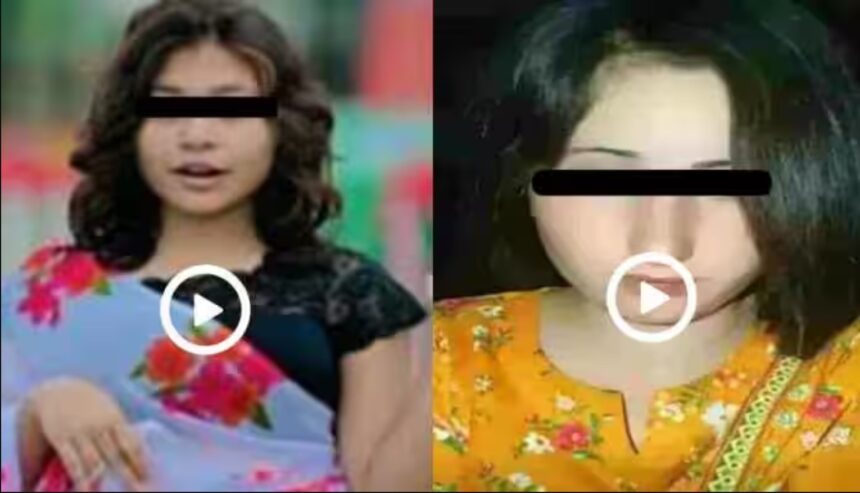
A new phishing campaign circulating online is using the name “Sarah Baloch viral MMS” to attract clicks and spread malware. Cybersecurity analysts warn that these links are not connected to any verified incident and are part of a broader scam targeting internet users.
The misleading posts often combine sensational keywords with references to an alleged “Assam incident” in order to create urgency and curiosity.
Experts emphasize that no authentic video linked to Sarah Baloch has been confirmed, and the viral links are primarily used to redirect users to malicious websites.
Who Is Sarah Baloch?
Sarah Baloch is a lifestyle content creator from Balochistan who shares videos documenting everyday life and rural culture on platforms like TikTok and Instagram.
See more of our coverage in your search results.
Add Hunterfly on GoogleReports indicate that she previously faced a criminal incident during a content shoot in which individuals allegedly attempted to exploit her by recording footage and demanding money. Authorities later arrested the suspects after she filed a complaint.
Cybersecurity experts say scammers are now misusing her name without consent by attaching it to fabricated viral claims in order to lure users into clicking phishing links.
Why Deepfake and Viral Video Scams Are Increasing
Digital security analysts say cases like this reflect a wider global trend. The growth of artificial intelligence tools has made it easier to generate manipulated media or misleading thumbnails.
According to international law-enforcement estimates, deepfake-related incidents have increased significantly in recent years, with a large portion involving non-consensual or misleading content targeting women.
The rapid spread of such material on social media platforms has made it easier for cybercriminals to create convincing hoaxes.
See more of our coverage in your search results.
Add Hunterfly on GoogleHow the Viral Scam Funnel Works
Cybersecurity researchers say the scam typically follows a predictable pattern designed to exploit curiosity around trending topics.
1. Trend Hijacking
Scammers monitor trending searches and quickly create posts using the same names and keywords.
2. Misleading Caption
Blurred images or unrelated photos are paired with sensational captions such as “viral video” or “exclusive clip.”
See more of our coverage in your search results.
Add Hunterfly on Google3. Redirect Chain
Users who click the links are redirected through several unknown domains before landing on a suspicious page.
4. Malware or Phishing Attempt
Instead of playing a video, the page may attempt to download malware or request login credentials.
Experts say the goal is often to steal personal data, including banking information or social media account access.
Legal and Safety Warnings
Authorities have warned that sharing or forwarding links that promote private or manipulated content can lead to legal consequences.
In India, online activity involving explicit or manipulated content may fall under provisions of the Information Technology Act 2000 and newer digital regulations addressing deepfake material.
Users are encouraged to report suspicious content to the National Cyber Crime Reporting Portal and avoid interacting with unknown links.
The Bottom Line
The “Sarah Baloch viral MMS” trend appears to be part of a phishing campaign rather than a verified incident. Cybersecurity experts stress that the links circulating online are designed to spread malware or steal user data.
Experts advise internet users to verify information before sharing it and avoid engaging with suspicious links that promise sensational content.
Key Highlights
- Viral searches about Sarah Baloch MMS are linked to phishing scams.
- The trending links falsely reference an “Assam incident.”
- No verified source confirms the existence of the alleged video.
- Cybersecurity experts warn that the links may distribute malware.
- Authorities advise users to report suspicious content and avoid unknown downloads.