






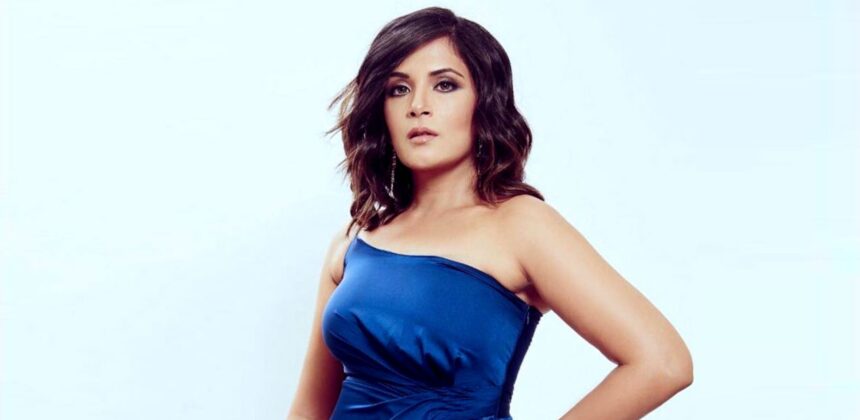
Actor Richa Chadha has previously spoken openly about the pressure to conform to conventional beauty standards in the entertainment industry and the effect that repeated comments about appearance can have on an actor’s confidence.
In an earlier public talk and interviews, the Gangs of Wasseypur actor discussed receiving conflicting suggestions about her body and appearance while navigating the film industry. She also spoke about the wider culture of scrutiny that women, particularly those working in the public eye, can experience.
“I Crumbled Under the Pressure”
Richa Chadha recalled being given a long list of suggestions about how she should supposedly change her appearance. According to the actor, these comments ranged from expectations about her weight and hairstyle to suggestions involving cosmetic procedures and other aspects of her physical appearance.
Speaking about the impact of such pressure, she said, “I crumbled under the pressure like a wrecking ball had hit me.”
See more of our coverage in your search results.
Add Hunterfly on GoogleHer comments highlighted the often contradictory nature of appearance-based expectations. Actors can face criticism for being considered either too thin or too heavy, while simultaneously being encouraged to change their facial features, hair, clothing or other aspects of their appearance.
Richa Chadha on Changing Ideas of Beauty
In a previous conversation, Chadha also reflected on how perceptions of beauty have evolved and how contemporary standards can influence young people.
“There is a changing concept of beauty,” she said, adding that changing cultural influences have contributed to increasingly narrow ideas about physical appearance.
She expressed concern about young people becoming highly focused on calorie counting, body size and comparing their appearance with others at an early age.
Her comments drew attention to a broader issue: the way beauty ideals, celebrity culture and constant visual comparison can influence self-image.
See more of our coverage in your search results.
Add Hunterfly on GoogleThe Pressure Around Food and Appearance
Chadha has also spoken about her personal experiences with feeling pressure around eating and body image. She described a period when her relationship with food became increasingly influenced by concerns about her appearance and professional expectations.
Her experience underlines why conversations about body image should be approached with care. Persistent pressure to look a certain way can affect emotional wellbeing and create an unhealthy relationship with food or appearance.
Experts generally advise that anyone struggling with distress around eating, body image or weight should seek appropriate support from qualified healthcare professionals.
See more of our coverage in your search results.
Add Hunterfly on GoogleWhy Conversations About Body-Shaming Matter
Body-shaming remains a significant issue, particularly for women working in industries where appearance is constantly scrutinised. Public figures can face intense commentary about their weight, facial features, clothing, ageing and other personal characteristics.
Richa Chadha’s earlier comments added to the wider conversation around unrealistic beauty expectations and the importance of accepting diverse body types and appearances.
For actors, the pressure can be particularly complicated because appearance may become connected to professional opportunities and public perception. However, conversations around representation and body diversity have increasingly challenged the idea that success should depend on fitting a single definition of beauty.
Moving Beyond Unrealistic Beauty Ideals
The entertainment industry has changed considerably over the years, with more actors and public figures speaking about body image, mental wellbeing and the impact of unrealistic expectations.
Richa Chadha’s willingness to discuss her experiences has contributed to a larger conversation about the pressures faced by people in the public eye. Her reflections also serve as a reminder that comments about someone’s appearance can have consequences beyond what may be visible publicly.
As conversations about representation and wellbeing continue to evolve, the focus is gradually shifting towards healthier and more inclusive ideas of beauty—ones that recognise individuality rather than demanding that everyone conform to a single standard.