







Nita Ambani once again highlighted India’s rich textile traditions with a handwoven Banarasi Butidar ensemble that celebrated heritage craftsmanship and artisanal excellence.
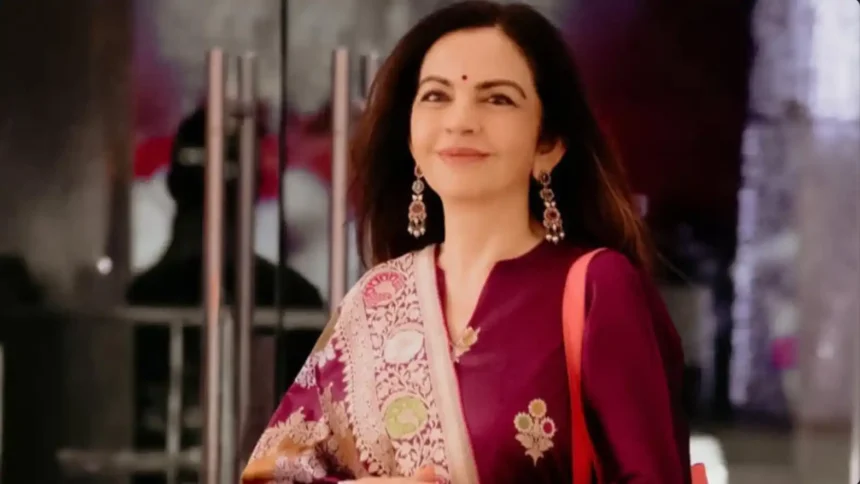
The businesswoman and cultural patron appeared in a royal magenta-plum outfit crafted using traditional weaving methods from Varanasi, paired elegantly with a vibrant Rangkat dupatta.
Her latest fashion appearance reflected a continued commitment to promoting Indian handloom artistry and preserving centuries-old textile traditions.
Banarasi Butidar Ensemble Crafted Using Traditional Kadwa Technique
The luxurious outfit was created using fine Katan silk and the intricate Kadwa weaving technique, one of the most respected methods in Banarasi textile craftsmanship.
See more of our coverage in your search results.
Add Hunterfly on GoogleAccording to details shared about the ensemble, every motif in the Butidar design was individually woven by master artisans Haji Nafees Ahmad and Naseem Ahmad.
The process reportedly took more than three months to complete, highlighting the time-intensive skill and dedication involved in creating authentic handwoven Banarasi textiles.
The Kadwa technique is known for producing raised patterns and richly detailed motifs without loose threads on the reverse side of the fabric, making it one of the most premium forms of Banarasi weaving.
Rangkat Dupatta Added Contrast and Elegance
The royal magenta-plum suit was paired with a colorful Rangkat dupatta that added movement, vibrancy, and visual balance to the overall look.
The styling combined traditional Indian aesthetics with modern sophistication, further enhanced by the addition of the new NMACC tote bag.
See more of our coverage in your search results.
Add Hunterfly on GoogleFashion observers noted that the ensemble balanced luxury with cultural storytelling, showcasing how heritage textiles can remain relevant in contemporary fashion.
A Tribute to India’s Weaving Legacy
Banarasi silk remains one of India’s most celebrated textile traditions, with roots tracing back several centuries.
Known for its intricate motifs, fine silk quality, and elaborate craftsmanship, Banarasi weaving has long been associated with ceremonial and luxury attire across India.
See more of our coverage in your search results.
Add Hunterfly on GoogleNita Ambani’s appearance in the handcrafted ensemble drew attention to the artisans and weaving communities that continue preserving these traditional techniques despite the rise of fast fashion and machine-made textiles.
Promoting Sustainable and Ethical Fashion
Fashion experts say the growing spotlight on handcrafted Indian textiles also reflects broader conversations around sustainability and ethical fashion.
Handwoven garments often require significantly more time, craftsmanship, and human skill compared to mass-produced clothing.
By choosing artisanal creations, public figures help bring visibility to traditional crafts while supporting local weaving communities and preserving cultural heritage.
Nita Ambani has frequently been associated with promoting Indian art, textiles, and cultural preservation through fashion, public appearances, and initiatives linked to the Nita Mukesh Ambani Cultural Centre (NMACC).
Indian Handloom Continues to Shine Globally
The renewed global appreciation for handloom and heritage fashion has increasingly placed Indian textiles at the center of international fashion conversations.
From Banarasi silks and Kanjeevarams to Ajrakh prints and Chikankari embroidery, Indian craftsmanship continues gaining recognition for its artistry, sustainability, and cultural significance.
Nita Ambani’s latest look served as another reminder of the enduring elegance and value of India’s traditional textile heritage.