








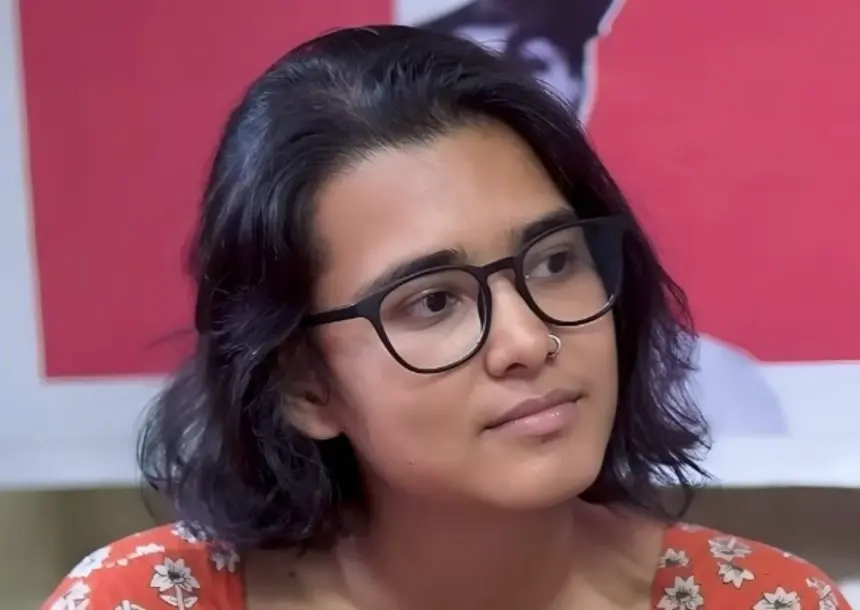
Neha Bora is an Indian student leader, theatre artist and doctoral researcher known for their role in the All India Students’ Association (AISA) and their involvement in student-led campaigns. Originally from Khatima in Uttarakhand, Bora is pursuing doctoral research at Jawaharlal Nehru University (JNU) in New Delhi, according to the biographical information available.
Bora has attracted wider public attention through activism focused on education, examination-related concerns and social justice. Their background in theatre and higher education also forms an important part of their public profile.
This biography explores Neha Bora’s reported age and hometown, educational journey, leadership in AISA, theatre background and major areas of activism. Details about recent protests and their outcomes should be read alongside independently verified reporting, particularly where allegations or political claims are involved.
Neha Bora: Biography at a Glance
- Full name: Neha Bora
- Known for: Student leadership, activism and theatre
- Hometown: Khatima, Uttarakhand, India
- Organisation: All India Students’ Association (AISA)
- Leadership role: Reported national president of AISA
- Undergraduate education: University of Delhi
- Postgraduate education: Dr. B. R. Ambedkar University Delhi
- Doctoral studies: School of Arts and Aesthetics, Jawaharlal Nehru University
- Professional interests: Theatre, performance studies, student rights and education policy
Some personal details, including an exact date of birth and confirmed age, are not established by the biographical information used for this article. They should not be treated as confirmed without a reliable source.
Early Life and Family Background
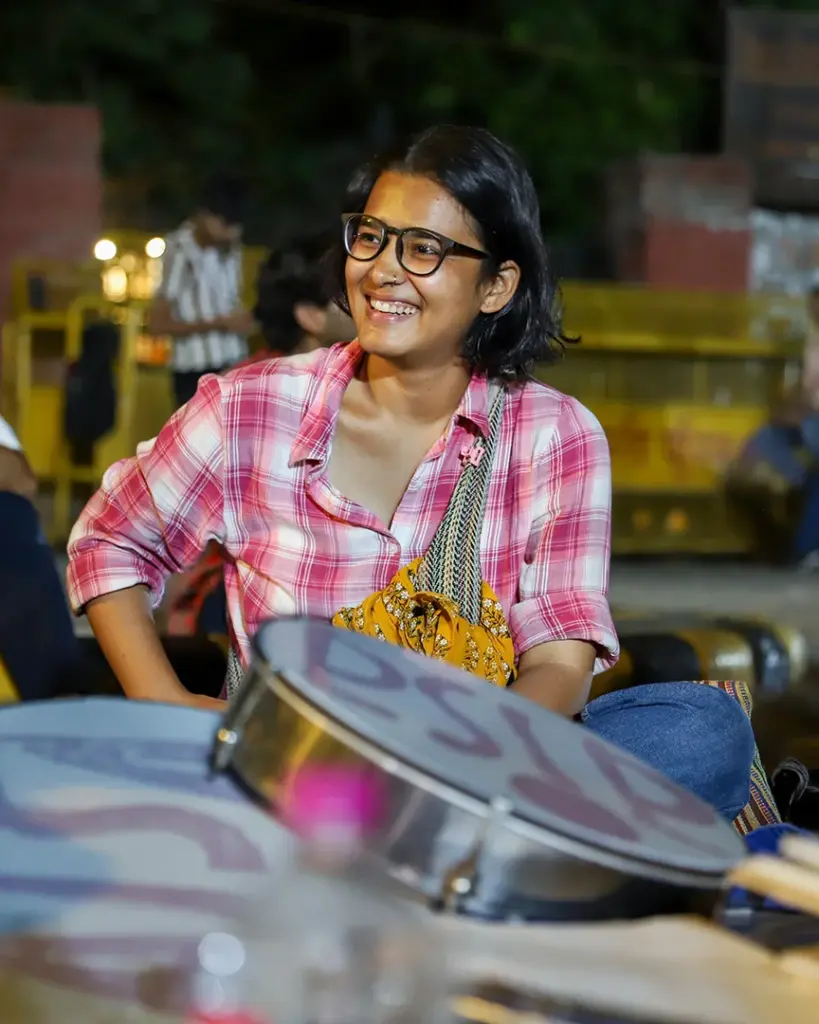
Neha Bora is from Khatima, a town in the Udham Singh Nagar district of Uttarakhand. Their father served in the Indian Army, and the family reportedly moved between cities during Bora’s childhood. Such a background forms part of the account of their early life, although a detailed timeline of those moves requires further confirmation.
Bora is also known for an interest in theatre, an art form that connects with their later academic studies and public work. Theatre and performance can provide tools for exploring social questions, communicating ideas and engaging audiences—interests that are relevant to understanding Bora’s combination of academic research and activism.
More detailed claims about their childhood, family relationships and personal motivations should be included only when supported by attributable interviews or credible reporting.
Neha Bora’s Education
Undergraduate Studies at the University of Delhi
Bora completed a Bachelor of Arts degree at the University of Delhi, according to the available biographical account. Their university years form part of the background to their later involvement in student politics and public campaigns.
Student organisations often provide a space for debates about university funding, campus conditions, examination systems and equal access to education. These issues also feature among the wider concerns associated with Bora’s activism.
Specific claims about the timing of their political involvement, individual campus campaigns or particular student posts should be verified before being presented as established milestones.
Master’s Degree from Ambedkar University Delhi
After their undergraduate studies, Bora completed a Master of Arts degree at Dr. B. R. Ambedkar University Delhi. The university is known for its programmes in the humanities and social sciences.
Bora’s academic background is relevant to their public engagement with questions involving culture, education and society. However, the precise subject of their master’s degree should be confirmed from an institutional profile or another reliable source before publication.
PhD Research at Jawaharlal Nehru University
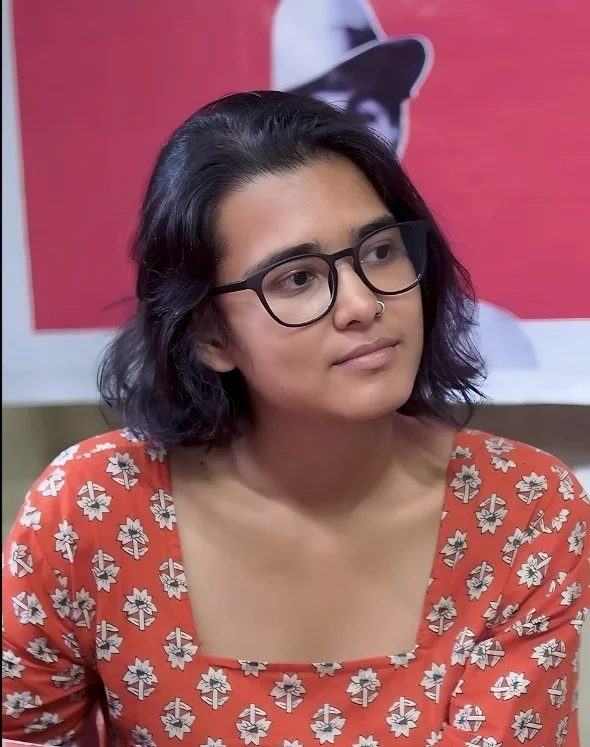
Bora is reported to be pursuing a PhD at the School of Arts and Aesthetics at Jawaharlal Nehru University in New Delhi. The school is associated with advanced study and research in the arts, including fields concerned with visual culture, cinema, theatre and performance.
Their connection to theatre is an important element of this academic profile. Doctoral enrolment, research specialisation, supervisor details and the year their programme began are specific claims that should be checked against an official JNU profile or a credible interview.
Their academic work and public activism represent two distinct aspects of their profile. Any account of how one influences the other should be attributed to Bora directly rather than inferred without evidence.
Neha Bora’s Career and Rise in Student Politics
Leadership in the All India Students’ Association
Neha Bora is identified in the supplied biographical material as the national president of the All India Students’ Association, commonly known as AISA.
AISA is a student organisation associated with the Communist Party of India (Marxist–Leninist) Liberation. Its political and organisational work includes campaigns concerning education, student rights and university policy.
As a student leader, Bora has been associated with public discussions about access to education, privatisation, examination-related concerns and social justice. The national presidency places them within a wider network of student politics, where campaigns may involve demonstrations, public statements, campus organising and engagement with government institutions.
For an accurate account of their tenure, the date of their election or appointment and the organisation’s official description of their position should be confirmed.
Focus on Education and Student Rights
Education policy has been a prominent theme in the student movements with which Bora is associated. Debates in India have addressed the cost of higher education, the role of private institutions, the availability of university places and the fairness and reliability of competitive examinations.
Concerns about examination irregularities can have serious consequences for students, particularly those preparing for highly competitive entrance tests. Student organisations may respond by seeking investigations, administrative accountability and changes to examination procedures.
Bora’s reported involvement in these debates has helped establish their public profile as a student activist. Specific allegations concerning individual examinations or institutions should, however, be distinguished from findings made by investigative agencies, courts or other competent authorities.
The 2026 Jantar Mantar Protests and Hunger Strike
One of the most prominent episodes in the supplied account of Bora’s activism concerns demonstrations at Jantar Mantar in New Delhi in 2026. The protests were reportedly linked to allegations of examination irregularities and demands for accountability from the Union Education Ministry.
The National Eligibility-cum-Entrance Test, or NEET, is a major entrance examination for undergraduate medical education in India. Concerns about the integrity of competitive examinations can affect students and families who invest substantial time and resources in preparation. Calls for transparency, credible investigations and fair treatment of candidates are therefore significant issues in education policy.
The supplied material also describes a 23-day hunger strike involving Bora and climate and education campaigner Sonam Wangchuk. It says the protest sought the resignation of Union Education Minister Dharmendra Pradhan.
These details require careful verification. The duration and participants of the hunger strike, the demands made, the condition of the protesters and the official response should be checked against contemporaneous news reports. Claims about weight loss, blood pressure or other medical effects should be included only when reliably reported and appropriately attributed.
Likewise, any claim that a protest directly caused a minister’s resignation must be supported by clear evidence. A sequence of events alone does not establish causation. Unless independently confirmed, the protest should be described in terms of its reported demands and participants rather than as the established cause of a particular political outcome.
Other Campaigns and Political Positions
The supplied biography associates Bora with a range of campaigns extending beyond examination issues. These include debates about education privatisation, alleged mob lynching, social justice, the Bilkis Bano case and the humanitarian crisis in Gaza.
Bora has also reportedly expressed support for the release of Umar Khalid and Sharjeel Imam, both of whom have faced legal proceedings connected to the 2020 Delhi riots and related allegations. Such positions are part of a wider political debate involving civil liberties, detention, due process and accountability.
When covering these issues, it is important to distinguish between an activist’s stated position, the allegations made by authorities and the legal status of a case. Support for a person’s release does not itself establish that person’s guilt or innocence. Any description of ongoing proceedings should be updated from reliable legal or news sources.
The supplied material also links Bora to student demonstrations associated with the online satirical campaign known as the Cockroach Janta Party. Before detailing the campaign’s origins, organisers, participation or specific demands, an editor should confirm the information through credible reporting and attributable statements.
Electoral Roll Protests and Detentions
The supplied account says Bora participated in demonstrations in New Delhi in October 2026 concerning alleged irregularities in the Special Intensive Revision of electoral rolls. It also reports that protesters sought to reach Jantar Mantar and that some participants were detained by police.
Because these events are recent and politically sensitive, their details should be verified using current, independent reporting. In particular, the date and location of each demonstration, the number of people detained, the stated reason for police action and the protesters’ demands should be checked separately.
A detention is not the same as a conviction or a finding of wrongdoing. Reports about a person’s conduct during a demonstration should be attributed to the source describing it, especially where accounts may differ.
The wider issue concerns the administration and revision of electoral rolls, a process that can raise questions about voter registration, documentation and access to the electoral system. Coverage should explain the specific allegations at issue without treating them as proven unless supported by authoritative findings.
Neha Bora’s Theatre Background
Theatre is a notable part of Bora’s profile alongside student politics and academic research. Performance can be used to examine social structures, represent lived experiences and bring public questions to an audience. Theatre-based skills may also be relevant to public speaking and organising, although their specific influence on Bora’s activism should be described through direct quotations or documented examples.
Bora’s reported research at JNU’s School of Arts and Aesthetics provides an academic context for this interest. Their theatre background distinguishes their profile from that of student leaders whose public work is centred exclusively on party organisation or campus campaigning.
Further details about performances, theatre groups, productions or research projects would strengthen this section if they can be confirmed through institutional records, interviews or published programme notes.
Neha Bora’s State of Origin
Neha Bora hails from Khatima in Uttarakhand, a town in the state’s Udham Singh Nagar district. The region lies in the Terai belt and has social, cultural and economic connections with other parts of northern India.
Bora’s family background, including their father’s service in the Indian Army, is reported to have involved moving between cities during childhood. A detailed account of where they lived and studied would need additional documentation.
Their connection to Uttarakhand is a useful biographical detail, but broader claims about how regional culture shaped their politics should not be made without evidence from Bora’s own statements or reliable reporting.
Neha Bora’s Achievements and Public Recognition
Bora’s reported national leadership role in AISA and participation in public demonstrations are central to their profile. Their involvement in debates about education and student rights has also brought them into wider political and media discussions.
The 2026 protests described in the supplied material appear to be an important episode in their public visibility. The scale of the demonstrations, the extent of public support and any resulting policy or personnel changes should be assessed through independent reporting rather than assumed from the prominence of the events.
No specific formal award is established by the information used in this article. It is therefore more accurate to discuss documented leadership roles and campaign participation than to claim that Bora has received particular honours or has been universally recognised for their work.
Neha Bora’s Personal Life
Neha Bora’s public profile is primarily associated with education, theatre and student activism. The supplied information identifies their family’s military background but provides limited independently established detail about their private life.
Claims about family political disagreements, household circumstances, relationships or personal motivations should not be included as facts unless Bora has discussed them publicly or a credible publication has reported them with appropriate context.
For a biography focused on public life, the most relevant personal details are those that help readers understand the individual’s educational background, professional interests and documented activities. Respecting the distinction between public work and private life also helps keep the article accurate and proportionate.
Frequently Asked Questions
Who is Neha Bora?
Neha Bora is an Indian student leader, theatre artist and doctoral researcher associated with the All India Students’ Association. They are reported to serve as the organisation’s national president.
How old is Neha Bora?
The supplied material estimates that Bora was born around 1997, which would make them approximately 28 or 29 during 2026, depending on their birthday. An exact date of birth has not been established here, so the age should be verified before publication.
Where is Neha Bora from?
Bora is from Khatima in the Udham Singh Nagar district of Uttarakhand, India.
Where did Neha Bora study?
The available biography identifies the University of Delhi for undergraduate studies, Dr. B. R. Ambedkar University Delhi for a master’s degree and Jawaharlal Nehru University for doctoral research at the School of Arts and Aesthetics.
What is Neha Bora known for?
Bora is known for student leadership, participation in education-related protests and advocacy on social and political issues. Their reported role as AISA national president is a key part of their public profile.
What is AISA?
AISA stands for the All India Students’ Association. It is a student organisation associated with the Communist Party of India (Marxist–Leninist) Liberation and campaigns on student and education-related issues.
Is Neha Bora pursuing a PhD at JNU?
The supplied biographical information says Bora is pursuing doctoral research at JNU’s School of Arts and Aesthetics. Their current enrolment and research details should be confirmed through an official university profile or reliable reporting.




