





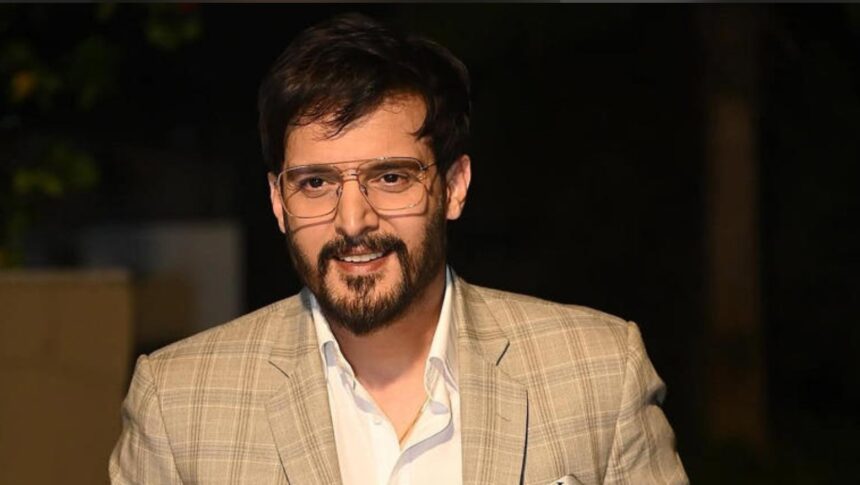
The conversation around working hours in the Indian film industry continues to evolve, and actor Jimmy Shergill has brought a fresh perspective to the discussion. Rather than focusing solely on actors’ schedules, Shergill believes the spotlight should be on the technicians and crew members whose work often begins long before the cameras roll and continues well after filming wraps.
Speaking in a recent interview, the actor stressed that improving working conditions for behind-the-scenes professionals is essential for building a healthier and more sustainable film industry.
Jimmy Shergill Highlights the Reality Behind the Camera
Explaining his viewpoint, Jimmy Shergill said that while actors generally work long shifts, technicians often spend significantly more time on a production.
According to him, crew members not only work during filming but also handle preparation before shooting begins and complete wrap-up duties after actors leave the set.
See more of our coverage in your search results.
Add Hunterfly on GoogleAdding travel time to these responsibilities can leave workers with very little opportunity to rest before reporting back for another shift.
“My fight is for the workers,” Jimmy said while discussing the issue.
Long Working Hours Affect Health and Family Life
Shergill pointed out that extended workdays can have a serious impact on technicians’ physical health and personal lives.
He noted that many crew members spend most of their day on set, leaving little time to be with their families before returning to work the following morning.
According to the actor, protecting workers’ health should become a priority across the industry, describing good health as a professional’s most valuable asset.
See more of our coverage in your search results.
Add Hunterfly on GoogleCalls for Balanced Working Schedules
Jimmy argued that a 12-hour workday is widely recognised as an acceptable industry standard in many parts of the world.
He believes that once those hours are completed, employees should have adequate personal time to rest, recover and spend time with loved ones.
While acknowledging that film production often involves demanding schedules, he suggested that maintaining a healthier balance ultimately benefits both workers and productions.
See more of our coverage in your search results.
Add Hunterfly on GoogleActors and Crew Face Different Realities
Shergill also highlighted an important distinction between actors and technicians.
He explained that actors usually complete a project within a fixed schedule before taking a break between assignments.
Crew members, however, often move directly from one production to another, leaving little opportunity for recovery.
This difference, he said, makes discussions around labour conditions even more important for those working behind the scenes.
The Ongoing Conversation Around Working Hours
The broader industry debate gained momentum after actor Deepika Padukone reportedly advocated for an eight-hour workday during discussions on future film projects.
The reported disagreement sparked conversations across Bollywood about work-life balance, production planning and employee welfare.
Jimmy Shergill’s comments expand that discussion by drawing attention to the often-overlooked workforce responsible for lighting, camera operations, production management, art direction, makeup, costumes, sound and numerous other departments that keep film sets running.
Why Crew Welfare Matters
Industry experts have increasingly emphasised that sustainable filmmaking depends on the well-being of every department involved in production.
Improved scheduling, adequate rest periods and safer working environments can help:
- Reduce fatigue-related accidents.
- Improve productivity.
- Support long-term physical and mental health.
- Increase overall production efficiency.
- Promote a healthier workplace culture.
As conversations around labour practices continue, many believe that greater attention to technicians’ working conditions could become an important part of the industry’s future.