


From vibrant bandhani prints and flowing leheriya fabrics to intricate phulkari embroidery and dazzling zardozi work, Indian fashion has long celebrated the beauty of bold expression.
Fashion trends come and go, but India’s love for colour, craftsmanship and elaborate detail has remained remarkably enduring. Today, as global designers embrace maximalism — the philosophy that more can be more — Indian fashion offers a powerful reminder that this aesthetic has been part of its textile traditions for generations.
In India, maximalism is more than a styling trend. It is a visual language shaped by regional identities, traditional craftsmanship, festive celebrations and centuries of textile artistry.
A Celebration of Colour, Pattern and Texture
Indian textiles have never shied away from making an impression. The dotted patterns of bandhani, the swirling waves of leheriya and the colourful floral motifs of phulkari each demonstrate how fabric can become a canvas for artistic expression.
These techniques are not simply decorative. They reflect the skills of artisans, the traditions of different communities and the cultural stories carried through generations.
From richly coloured saris to embroidered dupattas and patterned lehengas, Indian clothing often brings together multiple visual elements without losing its distinctive character.
Embellishment Has Always Had a Place
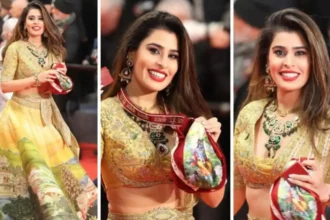
The shimmer of mirror work, the metallic intricacy of zardozi embroidery and the richness of silk illustrate another defining feature of Indian fashion: its appreciation for detail.
Traditional garments frequently combine embroidery, woven patterns, borders and embellishments to create depth and visual interest. In festive and ceremonial dressing, these details can transform an outfit into something deeply personal and memorable.
Rather than treating ornamentation as excess, many Indian craft traditions approach it as an art form — one that demands patience, precision and considerable skill.
Layering Is Part of the Story
Maximalism is also about the way different elements come together. Contrasting colours, layered jewellery, patterned fabrics and statement accessories can create a look that feels expressive rather than understated.
Indian dressing has long offered room for this kind of experimentation. A sari might be paired with elaborate jewellery, while a festive ensemble may combine embroidery, rich textures and contrasting shades. The result is not necessarily about following a single aesthetic rule; it is about creating harmony through variety.
Of course, Indian fashion is diverse, and minimalism has its own place in the country’s style traditions. But the bold, richly detailed side of Indian dressing remains an unmistakable part of its fashion identity.
Why Maximalism Feels Relevant Today
As international fashion embraces expressive prints, statement accessories and richly embellished designs, traditional Indian aesthetics offer a fresh perspective on the appeal of dressing boldly.
The renewed interest in maximalism also creates an opportunity to appreciate the craftsmanship behind the look. Techniques such as bandhani, phulkari and zardozi represent specialised knowledge and creative labour, not merely visual trends.
For contemporary fashion lovers, these traditions can inspire new combinations of heritage textiles, modern silhouettes and personal styling. The aim need not be to recreate a traditional outfit exactly, but to understand the artistry and confidence behind it.
Indian Fashion Never Needed Permission to Be Bold
Maximalism may have a new name in contemporary fashion conversations, but its spirit has long been visible across India’s textile traditions. In the colours of a bandhani, the movement of a leheriya, the intricate work of a phulkari and the brilliance of zardozi, the idea of expressive dressing is already woven into the fabric.
India did not need to wait for the world to embrace “more is more.” Its fashion heritage has always shown how colour, craftsmanship and individuality can coexist — and how an outfit can tell a story without saying a word.