







Menopause is a natural phase of life experienced by millions of women, yet conversations around it often remain limited. Despite growing awareness about mental health, fitness, and women’s wellness, menopause continues to be surrounded by hesitation and social stigma.
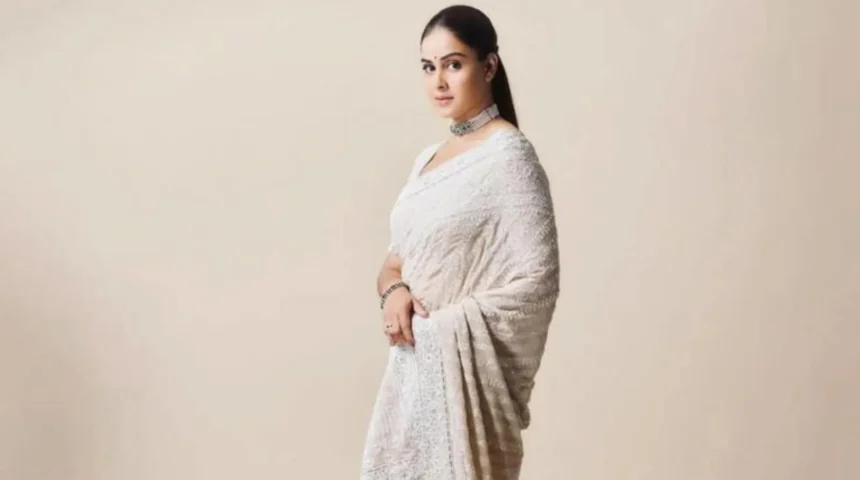
Actor Genelia D’Souza is helping change that narrative.
In a recent conversation, the actor spoke openly about menopause, aging, and the societal pressure women face to maintain a youthful appearance. Her candid remarks have sparked important discussions among women who are navigating careers, family responsibilities, and personal growth while approaching midlife.
Menopause Is a Natural Transition, Not a Taboo
Menopause marks the end of a woman’s reproductive years and is accompanied by hormonal changes that can affect physical and emotional well-being. Symptoms may include hot flashes, sleep disturbances, mood fluctuations, and changes in energy levels.
See more of our coverage in your search results.
Add Hunterfly on GoogleWhile these experiences are common, many women hesitate to discuss them publicly.
Genelia believes that menopause should be viewed as a normal life transition rather than something to hide or fear. Her perspective challenges long-standing stereotypes that often portray menopause as an uncomfortable topic best left unspoken.
Instead, she encourages women to see it as another phase of growth and transformation.
Addressing the Fear of Aging
One of the strongest themes in Genelia’s remarks was the pressure many women feel about aging.
She recalled being told that menopause would make her look older, a comment that reflects a broader societal obsession with youth. For many women, concerns about appearance often become intertwined with discussions about menopause.
See more of our coverage in your search results.
Add Hunterfly on GoogleRather than accepting those fears, Genelia questioned why aging should be viewed negatively in the first place.
Her response reflects a growing movement that encourages women to celebrate life experiences instead of viewing age as something that diminishes their value.
Why Many Women Stay Silent
Genelia also highlighted a reality that resonates with countless women.
See more of our coverage in your search results.
Add Hunterfly on GoogleAccording to her, many avoid discussing menopause because they worry about being perceived differently once they are associated with aging.
This concern is particularly relevant in professional environments where women often feel pressure to appear energetic, youthful, and constantly productive.
As a result, menopause remains a private struggle for many, despite being a shared experience across generations.
Health experts have increasingly emphasized that open conversations can help women access better information, support systems, and healthcare resources during this stage of life.
“Looking Older Is Beautiful”
Among the most widely shared moments from Genelia’s comments was her view on aging itself.
She described growing older as something beautiful rather than something to resist.
The statement stands in contrast to a culture heavily focused on anti-aging products, cosmetic procedures, and unrealistic beauty standards.
For many women, aging brings confidence, life experience, emotional resilience, and a stronger sense of identity. Rather than focusing solely on physical changes, Genelia’s message encourages women to appreciate the personal growth that comes with each decade.
Why She Doesn’t Want to Be 20 Again
Genelia also offered a refreshing perspective on entering her 40s.
Rather than longing for her younger years, she expressed satisfaction with where she is today, saying she feels more confident and comfortable in herself than she did in her twenties.
Her comments reflect a sentiment increasingly shared by many women who find that maturity often brings greater self-awareness, stronger boundaries, and a clearer understanding of personal priorities.
While youth is frequently celebrated, many women describe their forties as a period of renewed confidence and independence.
A Message That Connects With Working Women
For women balancing careers, caregiving responsibilities, family commitments, and personal ambitions, menopause can sometimes feel like another challenge that must be managed quietly.
Genelia’s message offers a different perspective.
It reminds women that menopause is not a sign of decline or weakness. It is a natural stage of life that deserves understanding, support, and open conversation.
By speaking honestly about aging and self-acceptance, she contributes to a broader cultural shift that encourages women to embrace every chapter of life without apology.
The Bigger Conversation Around Women’s Health
Healthcare professionals continue to stress the importance of awareness and education around menopause. Open discussions can help women better understand symptoms, seek medical guidance when needed, and build support networks that make the transition easier.
Public figures who share their experiences can play an important role in reducing stigma and encouraging more women to talk about their own journeys.
As conversations around women’s health continue to evolve, voices like Genelia D’Souza’s are helping bring greater visibility to a topic that affects millions yet remains under-discussed.
Conclusion
Genelia D’Souza’s comments on menopause and aging have struck a chord because they challenge outdated assumptions about growing older.
Her message is simple but powerful: aging is not something to fear, and menopause is not something to hide.
For women entering this stage of life, her words offer an encouraging reminder that confidence, wisdom, and self-acceptance often grow stronger with age. And as she puts it, life at 40 can be not only fulfilling—but even cooler than before.