





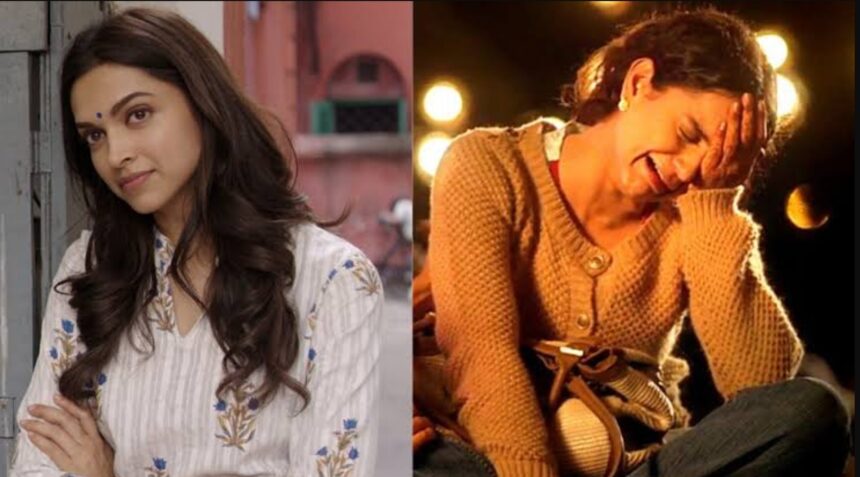
You wake up at 6 a.m., not because you want to, but because your mother needs help with breakfast. Your younger siblings fight, and somehow, you become the peacemaker. Your parents argue, and you absorb the emotional tension. By nightfall, you are exhausted, yet no one notices—because this is “just who you are.” If this feels familiar, you may be experiencing what psychologists refer to as eldest daughter syndrome.
What Is Eldest Daughter Syndrome?
Eldest daughter syndrome describes the emotional and practical responsibilities often placed on the firstborn female child in a family. Though not an official diagnosis, it is widely recognized for its impact on personality, mental health, and life choices. Research shows that firstborn girls, sometimes as young as five, are expected to assume caretaking roles for their younger siblings.
In Indian families, cultural norms often amplify this expectation. Eldest daughters become caregivers, emotional anchors, and household managers, frequently before completing their own childhood. They are, in many ways, a “second parent”, balancing family expectations while pursuing their own goals.
Why It Happens in Indian Families
Traditional Indian family structures operate on hierarchy and clearly defined responsibilities. While women’s participation in the workforce has grown, cultural expectations regarding daughters’ roles remain strong. Firstborn girls often shoulder a disproportionate share of family responsibilities—mediating sibling conflicts, supporting parents emotionally, and ensuring the household runs smoothly.
See more of our coverage in your search results.
Add Hunterfly on GoogleThe expectation is rarely spoken aloud but deeply ingrained: you are the responsible one, the mature one, the one who holds the family together.
The Science Behind the Burden
Research from UCLA indicates that firstborn daughters exposed to maternal prenatal stress may mature earlier, biologically, through changes in adrenal development that enhance social and cognitive skills. This early maturation prepares girls to take on caregiving roles sooner than their peers. Essentially, the body is biologically wired to support family needs even before the individual is fully grown.
The Mental Health Cost
When eldest daughters are expected to care for siblings, particularly those with special needs, the stress can be significant. Psychologists call this parentification, a process where children adopt adult responsibilities prematurely. Emotional parentification—absorbing parents’ stress, managing family emotions, and suppressing one’s own needs—can lead to:
- Chronic anxiety and stress
- Perfectionism and people-pleasing tendencies
- Difficulty setting personal boundaries
- Struggles with vulnerability and emotional expression
For many eldest daughters, self-worth becomes tied to caregiving and achievement, leaving little room for personal growth or childhood experiences.
Practical Steps to Reclaim Your Life
- Acknowledge Your Feelings: Your exhaustion and frustration are real and valid. You are not overreacting.
- Set Boundaries: Start small—delaying a response to non-urgent family matters or saying, “I can’t take this on right now.”
- Seek Professional Help: Therapy can help untangle patterns of emotional suppression and teach you how to balance caregiving with self-care.
- Communicate With Family: Frame conversations honestly without blame, explaining your need to redistribute responsibilities.
- Connect With Peers: Finding other eldest daughters or support groups can normalize your experience and provide validation.
The Bigger Picture
While gender roles in Indian households are slowly evolving, progress is uneven. Eldest daughters deserve a childhood unburdened by invisible responsibilities, relationships where they are not always the caregiver, and the freedom to pursue their own dreams.
See more of our coverage in your search results.
Add Hunterfly on GoogleBeing responsible is admirable—but being exploited is not. Recognize your value is inherent, not measured by the sacrifices you make for others. You deserve to step back from a role you never asked for and reclaim the life you want.