




Eldest daughter syndrome is an emotional and psychological burden quietly carried by many firstborn daughters. Often expected to be responsible, mature, and selfless from an early age, these daughters shoulder invisible pressures that rarely get recognition — yet profoundly shape their lives.
From setting examples for siblings to acting as emotional anchors for parents, eldest daughters are often praised for their selflessness. However, the cost is often hidden: personal dreams are postponed, emotional needs are ignored, and love can feel conditional.
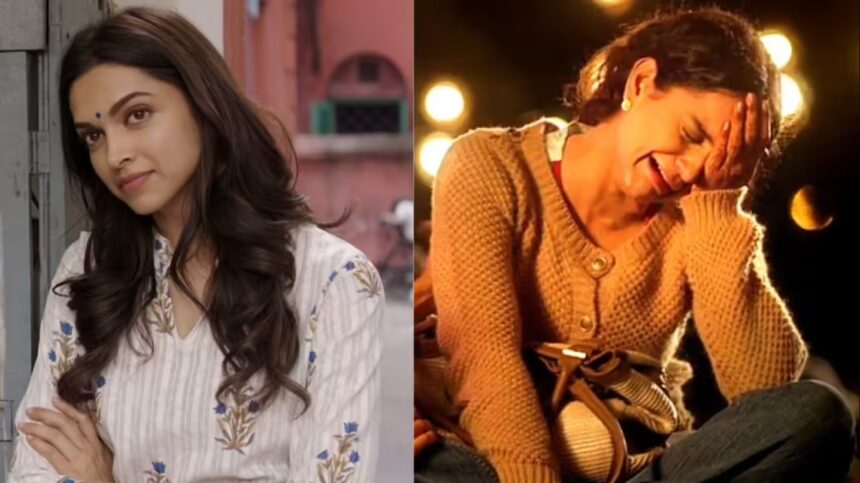
Bollywood characters like Rani in Queen exemplify this pattern — living according to family expectations until a life-changing event forces her to seek independence and self-discovery. Similarly, Piku highlights the adult struggles of responsibility, guilt, and relational imbalance that can arise from these early roles.
How It Begins in Childhood
The seeds of eldest daughter syndrome are usually planted in early family life:
See more of our coverage in your search results.
Add Hunterfly on Google- Parental expectations: Mistakes are rarely forgiven, and excellence is demanded.
- Caretaking responsibilities: She is expected to help raise younger siblings and manage household tasks.
- Emotional parentification: The daughter becomes a confidant or emotional support for her parents.
- Conditional love: Praise and affection are tied to helpfulness, responsibility, or academic success.
These patterns teach her that her value comes from what she does, not who she is.
Manifestations in Adulthood
As these daughters grow up, the childhood conditioning can impact their careers, relationships, and emotional health:
- Over-functioning in relationships, taking on excessive emotional labor.
- Difficulty asking for help, associating vulnerability with weakness.
- Guilt for prioritizing personal needs, believing self-care is selfish.
- Attracting partners who demand emotional giving without reciprocation.
TV and film portrayals like Fiona from Shameless illustrate the invisible emotional toll — strong externally, but exhausted internally, constantly sacrificing personal dreams for others.
In Romantic Relationships and Marriage
Eldest daughters often replicate family dynamics in romance:
- Hyper-independence and emotional self-sufficiency.
- Assuming a caretaker role for partners, often “mothering” them.
- Overcommitment, including balancing personal, spousal, and extended family expectations.
These behaviors can perpetuate cycles of emotional labor, unbalanced partnerships, and burnout.
See more of our coverage in your search results.
Add Hunterfly on GoogleBreaking the Cycle
Healing from eldest daughter syndrome is not about rejecting responsibility — it’s about releasing the belief that worth is measured by giving. Steps toward emotional liberation include:
- Acknowledge inherent worth: You are enough, even when resting.
- Practice receiving love: Accept support without guilt.
- Set healthy boundaries: Saying no does not make you selfish.
- Release the fixer role: You are not responsible for healing others.
Eldest daughters carry extraordinary strength, but there is power in allowing yourself to be cared for, too. The path to balance begins with self-compassion, self-recognition, and the courage to prioritize your own needs.
Dear eldest daughter: you are lovable just as you are. Let go of the invisible load, and choose yourself.
See more of our coverage in your search results.
Add Hunterfly on Google