





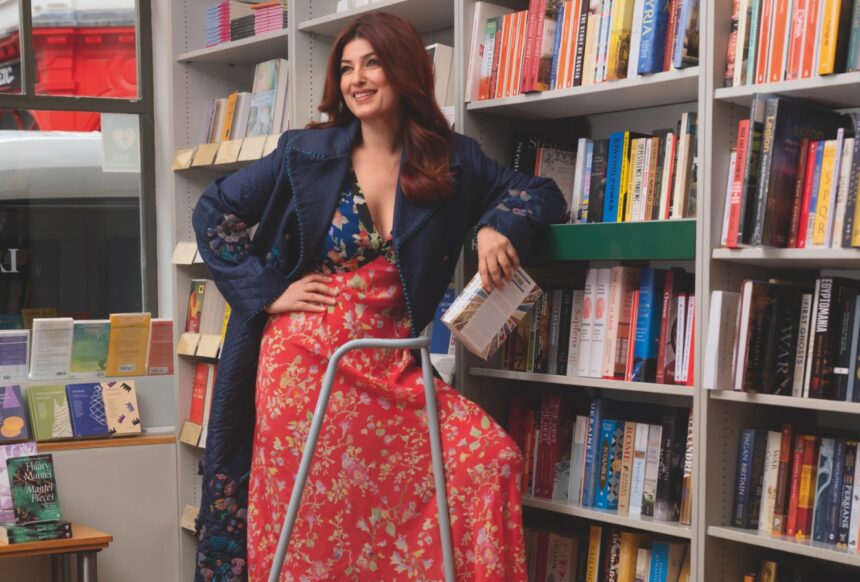
We’ve all seen it—gleaming wooden shelves lined with pristine hardcovers, color-coded and curated to perfection, often featured in carefully filtered Instagram shots. Welcome to the era of bookshelf wealth, where the number of books you own seems to count more than the number you’ve actually read. But in the rush to build libraries that dazzle, one question remains: is your bookshelf really healthy?
Books Are Personal—But Are They Read?
The act of scanning someone’s bookshelf can feel oddly intimate. It’s as revealing as snooping through their fridge or peeking at their search history. What people read—or pretend to—says more about them than any social media bio ever could.
A copy of The Fountainhead? Expect a heated debate on individualism. A Little Life? Prepare for some serious emotional vulnerability. The Subtle Art of Not Giving a Fck*? Maybe give that house a miss.
While bookshelf wealth once symbolized a deep love of literature, today it’s often more aesthetic than authentic. People showcase floor-to-ceiling bookshelves filled with untouched bestsellers, striving for Pinterest perfection rather than personal enrichment.
See more of our coverage in your search results.
Add Hunterfly on Google“I feel uneasy when I see books treated like wallpaper,” says design curator and writer Priya Khanchandani. “Books are for enrichment—not decoration.”
Bookshelf Health > Bookshelf Wealth
So what is bookshelf health? It’s the idea that your collection should reflect intention, diversity, and genuine reading habits—not just an image. It means the books may be dog-eared, underlined, and stacked in chaotic piles—but they’ve been loved.
Mishika Narula and Srisruthi Ramesh, co-founders of Brown Girl Bookshelf, live by this philosophy. Narula arranges her books alphabetically but weaves in personal touches, like framed quotes from childhood reads. Ramesh organizes hers by theme, prioritizing underrepresented voices and diverse genres.
“For me, bookshelf health is about emotional connection,” says Narula. “It’s not just about having a lot of books. It’s about the story behind them.”
The Price of ‘Looking Well-Read’
There’s also a deeper issue at play. This obsession with bookshelf aesthetics often feeds into the controversial old money aesthetic—criticized for its elitist undertones. Custom-built shelves, expensive hardcovers, and perfectly arranged spines aren’t accessible to most, especially as the cost of living continues to rise.
See more of our coverage in your search results.
Add Hunterfly on Google“The term ‘wealth’ itself implies status,” Khanchandani points out. “We’re spending thousands on fitted shelves instead of supporting independent bookstores or discovering new authors.”
In this light, bookshelf wealth feels more like a status symbol than a tribute to literature.
Let Your Books Live—And Be Read
A healthy bookshelf doesn’t require symmetry or style. Let your books grow old with you. Let them lie by your bedside, sunbathe on a windowsill, or rest in a messy pile on your sofa. Let them breathe. A book with worn pages and scribbled margins says more about your reading life than a shelf of untouched spines ever could.
See more of our coverage in your search results.
Add Hunterfly on Google“A true reader is someone who sees books as companions, not trophies,” Khanchandani adds. “They may love bookshelves too, but the real love lies in the stories—not the shelves.”
So before you splurge on another hardback or chase the perfect home library shot, ask yourself: Am I building bookshelf wealth—or bookshelf health?