








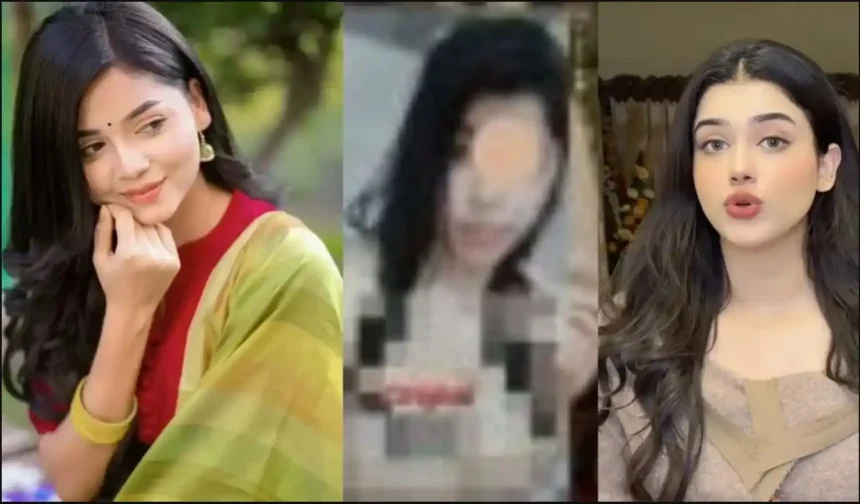
Pakistani social media influencer and TikTok creator Alina Amir has spoken publicly after a viral video linked to her circulated widely online in recent months.
The influencer clarified that the clip being shared across social media platforms was not authentic and described it as an AI-generated deepfake created to damage her reputation.
According to Alina Amir, the incident was a form of cyber harassment and online abuse rather than genuine leaked content. She urged people not to spread manipulated videos and warned about the growing misuse of artificial intelligence technology.
The controversy gained attention after users began circulating a short video online while falsely labeling it as a personal or private clip involving the influencer. The content rapidly spread across multiple platforms through misleading keywords and rumours.
See more of our coverage in your search results.
Add Hunterfly on GoogleResponding to the issue, Alina released a statement explaining that the footage had been digitally altered and should not be treated as real. She stressed that such incidents can seriously affect victims emotionally, mentally, and socially.
The case has once again raised concerns surrounding deepfake technology, online privacy, and cybercrime targeting public figures and creators.
Alina Amir is a popular content creator from Lahore, Pakistan, known for her lifestyle posts, TikTok videos, and Instagram content. She gained significant online popularity after one of her viral clips became widely shared across social media.
Born on May 10, 2003, the influencer built a strong digital following through entertainment videos and daily life content aimed at younger audiences.
In recent months, several social media personalities in Pakistan have faced similar controversies involving allegedly leaked or manipulated clips. Many of these cases later triggered debates about misinformation, fake content, and online harassment.
See more of our coverage in your search results.
Add Hunterfly on GoogleExperts have increasingly warned users against sharing unverified videos or personal content online, especially amid the rapid rise of AI editing tools capable of creating realistic deepfake material.
As the conversation around digital safety grows, Alina Amir’s case has become part of a wider discussion about protecting creators from cyber abuse and misinformation campaigns.