







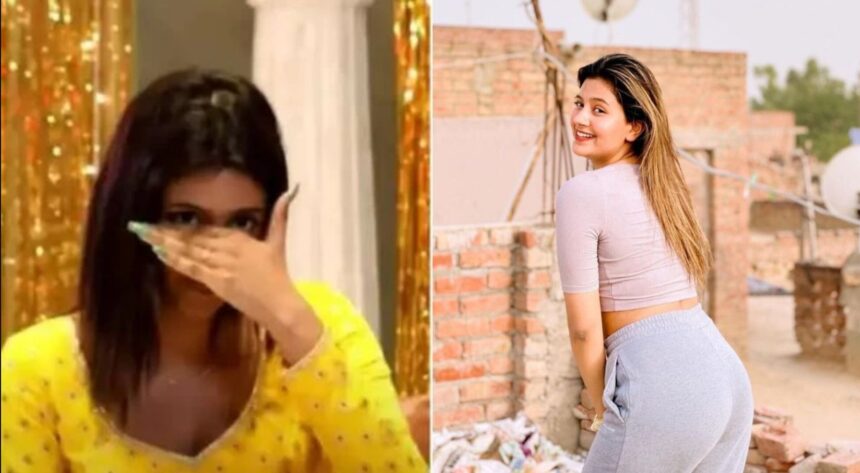
Social-media influencer Anjali Arora has spoken about a misleading video circulated online using her name and image. The influencer expressed frustration over the repeated allegations and explained how such content affects not only her but also her family.
Anjali Arora has once again found herself at the centre of an online controversy after a video was circulated on social media with claims that she appeared in it.
The influencer, who became widely known following her appearance on ** Lock Upp ** and her popularity on Instagram, has previously addressed similar allegations.
According to her public comments, the video being circulated was not her, despite posts using her name and photographs to attract viewers.
See more of our coverage in your search results.
Add Hunterfly on GoogleAnjali Arora addresses the viral video
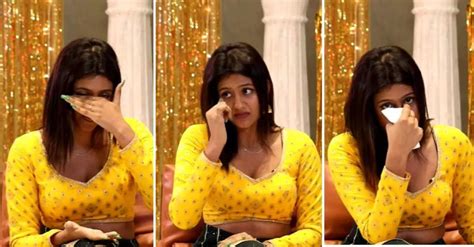
Speaking about the controversy, Anjali questioned why people were using her identity to promote a video in which she said she does not appear.
She expressed concern that sensational claims were being made simply to generate views and attention on social-media platforms.
Anjali also highlighted the personal consequences of such allegations, particularly because her family members can see the content being circulated online.
“I don’t know what people are doing. I don’t know why people are doing this by putting my name and my photo.”
Her comments reflected her frustration with the continued circulation of content she says has been falsely associated with her.
‘My family also watches all the videos’
One of the most emotional aspects of Anjali’s response was her reference to her family.
See more of our coverage in your search results.
Add Hunterfly on GoogleThe influencer explained that online rumours do not affect only the celebrity whose name is being used. Parents, siblings and other relatives can also encounter the material.
She questioned why people would deliberately attach her name and photographs to such content when they know it can have consequences for her family.
Anjali’s comments underline a wider problem with viral misinformation: once misleading content begins circulating, it can be extremely difficult for the person involved to control where it appears or how many people see it.
See more of our coverage in your search results.
Add Hunterfly on GoogleAnjali says the allegations are false
Anjali has maintained that she is not the person shown in the video being circulated under her name.
She also criticised social-media accounts that use celebrity names in titles and descriptions to increase views.
According to the influencer, this type of content has previously resurfaced following her appearance on Lock Upp.
She said her parents had also taken steps regarding the earlier incident.
Why celebrity names are used in misleading videos
Using the name of a well-known personality can dramatically increase the attention a post receives.
Social-media users searching for a celebrity may encounter fabricated thumbnails, manipulated images or misleading captions that have little connection with the actual person.
The problem becomes more serious when the content concerns alleged private material.
A celebrity’s name appearing in a headline or video title does not establish that the person shown is actually the celebrity.
Viewers should therefore avoid treating social-media claims as verified information without credible evidence.
Anjali Arora’s rise to fame
Anjali Arora became a major social-media personality through her short-form videos, fashion content and dance posts.
Her popularity increased further after she appeared on the reality show ** Lock Upp **.
Since then, she has continued building her career as a digital creator and entertainer, with a large following across social-media platforms.
Her online visibility has also made her a frequent target of rumours and misleading posts.
The impact of misinformation on public figures
The controversy surrounding Anjali is part of a much broader issue affecting celebrities and influencers.
False or misleading content can spread within minutes, particularly when it is packaged with sensational headlines.
Even when the original claim is later disputed, screenshots, copied posts and reuploaded videos can continue circulating.
For public figures, correcting such claims can therefore become an ongoing challenge.
Why viewers should avoid sharing alleged private videos
Sharing or searching for alleged private material involving another person can cause significant harm, regardless of whether the content is authentic.
In cases involving manipulated or falsely attributed footage, sharing it also helps misinformation spread further.
The responsible approach is to avoid redistributing such material and instead rely on verified statements and reputable reporting.
Anjali’s message to social-media users
Anjali’s response was ultimately about more than her own reputation.
She questioned why people do not consider the effect their actions can have on another person’s family and personal life.
Her comments also demonstrate the emotional burden that can accompany persistent online rumours.
For influencers whose professional lives are closely connected to social media, protecting their reputation can be particularly difficult when misleading content is repeatedly reposted.

What is the truth about the alleged MMS?
Based on Anjali Arora’s own public response, she denied that the person in the circulated video was her.
Therefore, the alleged video should not be described as an authentic “Anjali Arora MMS” without reliable evidence establishing its origin and authenticity.
Readers should also be cautious about websites or social-media accounts claiming to offer downloads or links to alleged private material.
Such claims can be misleading and may further amplify harmful misinformation.