






Somewhere around my 30th birthday, it dawned on me — I had unofficially become a professional wedding guest.
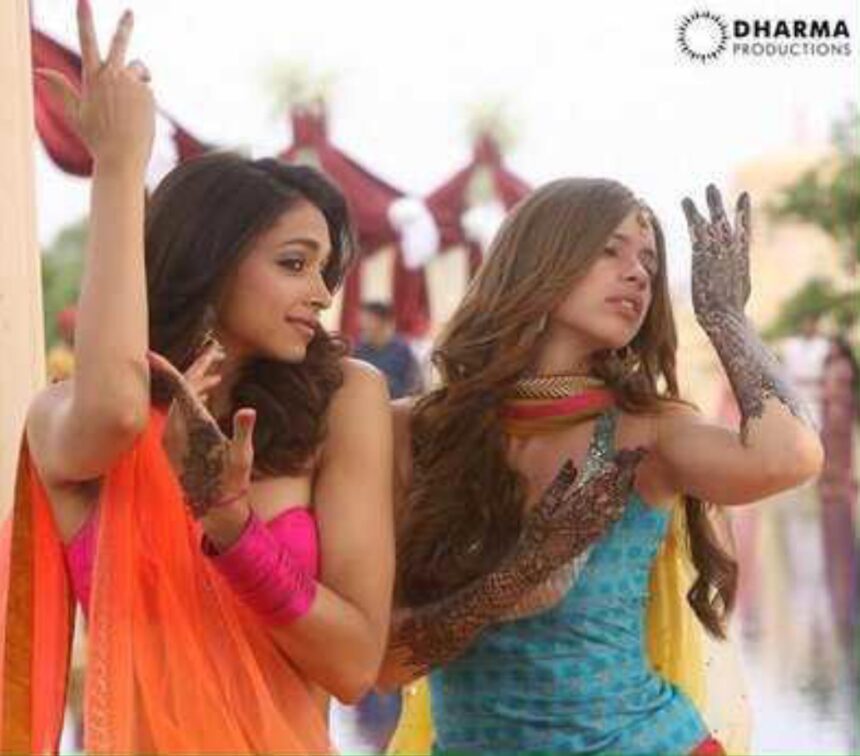
I know precisely when to book a blow-dry before a function, which lehenga can be restyled three different ways, and how to make a perfectly timed entry that avoids inquisitive aunties. I carry a designated purse stocked with safety pins, tissues, straws, and emergency lipstick. I’ve danced recklessly at sangeets, balanced plates of chaat while congratulating couples I once shared classrooms and heartbreaks with, and smiled politely through the inevitable question: “You’re next, right?”
Over the past decade, I’ve attended nearly 30 weddings — school friends, college friends, cousins, colleagues, and even acquaintances I now recognise more from Instagram than real life. And with every celebration, my understanding of love and marriage has quietly evolved.
When Fairy Tales Turn Into Realities
In my early twenties, weddings felt aspirational. I watched ceremonies with wide-eyed excitement, mentally bookmarking décor ideas and outfit inspirations for my own big day. Marriage seemed like a natural milestone — inevitable and uncomplicated.
See more of our coverage in your search results.
Add Hunterfly on GoogleBut in my thirties, the lens has shifted.
Now, I notice less about the floral arrangements and more about the emotions. I watch how the groom looks at the bride during the vows. I see fathers dancing with abandon. I observe mothers juggling rituals while stealing quiet moments of joy. Love feels less like spectacle and more like responsibility — layered with timing, compromise, emotional labour, and the fear of making the wrong choice.
Marriage no longer appears automatic. It feels like a deliberate decision that carries weight.
The Emotional Duality of Celebration
There are moments at weddings that hit unexpectedly hard. When “Din Shagna Da” plays and the bride walks toward the mandap, something inside stirs. The tears that surface aren’t purely sad — they’re complex. They carry joy for friends who’ve found their person after heartbreak. They carry pride for parents who see their children settle into new chapters.
But they also carry longing.
See more of our coverage in your search results.
Add Hunterfly on GoogleAt every function, I perform my role well. I dance like I’m not exhausted. I laugh like I’m not spiralling internally. I deflect questions about my own plans with humour. Being the single friend at weddings often feels like a quiet performance — radiating happiness while navigating private doubts.
Because somewhere between outfit changes and late-night drinks, reality seeps in. It’s not the wedding I envy. It’s the certainty. The conviction with which someone chooses a partner and moves forward — imperfectly, but decisively.
The Unspoken Pressure Across Genders
It’s not just women who feel it. Men confess it in subtle ways — extended bar visits, half-joking remarks about parental pressure, references to “the one that got away.” Their timelines are questioned too, even if less loudly.
See more of our coverage in your search results.
Add Hunterfly on GoogleWomen, meanwhile, often become stylists, therapists, content creators, and emotional anchors. They hold lehengas during breakdowns, hype up nervous grooms, film Instagram reels, and absorb the emotional intensity of multi-day celebrations.
Being the perennial wedding guest means giving — time, money, energy — while quietly wondering when it will be your turn to stand centre stage instead of clapping from the sidelines.
The Cost of Modern Wedding Culture
Indian weddings today are grander than ever. Destination venues, coordinated wardrobes, multiple events, travel logistics — each celebration is both emotionally and financially demanding. Supporting other people’s milestones is beautiful, but it can also feel heavy when your own life seems suspended in waiting mode.
The hardest part isn’t loneliness alone. It’s measuring your life against timelines you never consciously agreed to. It’s smiling through someone else’s beginning while wondering when yours will start.
Choosing the Scenic Route
And yet, we keep showing up.
We dress up. We dance. We celebrate love sincerely, even if our version of it now looks different from what we once imagined.
Maybe being single at 30 isn’t a delay. Maybe it’s simply a different trajectory — slower, more intentional, less dictated by social expectation.
Until my story unfolds, I’ll remain on the dance floor during shaadi season — tired feet, hopeful heart, and just enough realism to survive the next round of wedding invitations.
Because believing in love doesn’t expire at 30. It just becomes more nuanced.