








Getting a full-time job can bring financial independence, professional growth and a new sense of responsibility. But for many people, it can also mean giving up some of the small freedoms that once made everyday life feel relaxed.
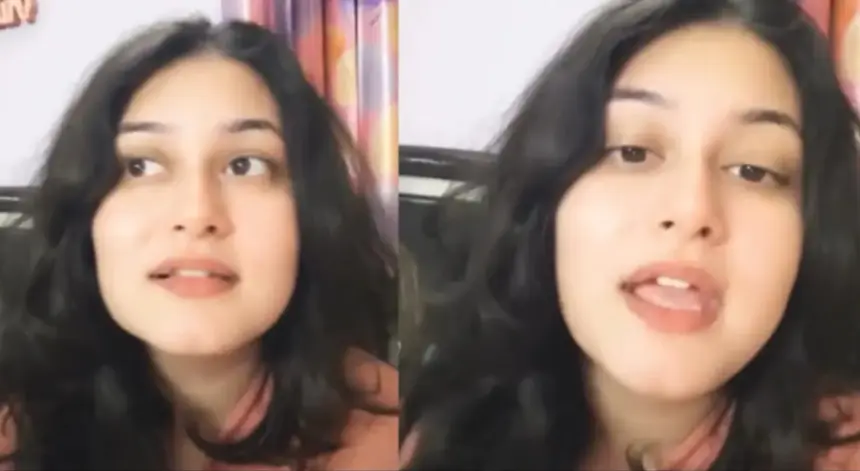
Kuljot Kaur recently highlighted that change in an Instagram video, sharing how several ordinary parts of her life began to feel like luxuries after she started working full-time.
In the video, Kaur looked back at the period when she was unemployed and said that activities she once considered completely normal are now much harder to fit into her routine.
She shared the post with the caption, “Let’s talk about the golden era.”
Afternoon naps became a thing of the past
One of the biggest changes Kaur mentioned was the loss of afternoon naps.
When she was not working, taking a nap during the afternoon was something she could do without having to think about her schedule. After entering full-time employment, however, she said that the simple pleasure became almost impossible to enjoy.
What once seemed like an ordinary part of the day now feels like a privilege.
Weekday plans turned into weekend struggles
Kaur also spoke about the impact of work on her social life.
She recalled a time when meeting friends on weekdays was possible. With a full-time job, however, finding time to meet people has become considerably more difficult.
Even weekends, which are generally associated with free time, do not necessarily provide the same freedom. Kaur joked that she now struggles to make plans even on weekends.
Shopping has followed a similar pattern. She said that she previously had the freedom to go shopping during weekdays, whereas her weekends are now often spent recovering from the working week.
Life after 5 pm feels different
Another change she highlighted was what happens after the working day ends.
Kaur said that she previously had a life after 5 pm. Now, by the time the workday is over, exhaustion can take over.
The observation reflects a familiar experience for many full-time employees: finishing work does not necessarily mean having enough energy left for everything else.
Commuting, household responsibilities, deadlines and the need to prepare for another working day can make evenings feel much shorter than they once did.
Even watching a movie requires multiple sittings
Kaur’s changing movie habits were another example of how her routine has been affected.
Earlier, she could sit down and finish a movie in one go. Now, she said that she often watches films in small portions because she has work the following day.
Instead of completing a movie in a single sitting, she watches part of it one day and returns to it later.
She humorously described the change by saying that she has effectively turned movies into web series by watching them in episodes.
Hobbies have also taken a back seat
Perhaps the biggest change she discussed was the effect of work on her hobbies.
Kaur said that when she had more free time, she did not necessarily need to schedule her hobbies separately. There was enough room in her day for activities she enjoyed.
After starting full-time employment, that flexibility disappeared.
She said her hobbies are now largely not happening, illustrating how quickly personal interests can get pushed aside when work begins taking up a significant portion of the day.
Why small freedoms can feel bigger after starting work
Kaur’s video is relatable because it focuses on activities that are easy to overlook when time is abundant.
An afternoon nap, meeting a friend on a weekday, watching a complete movie or spending an afternoon shopping may not seem particularly significant. But once a fixed work schedule enters the picture, these activities can require planning around working hours, energy levels and the next day’s responsibilities.
The contrast also shows that the transition into employment is not only about having less free time. For some people, it changes how they use the time they still have.
A free weekend may technically remain available, but fatigue can make resting more appealing than making plans. Similarly, having an evening free does not necessarily mean having enough energy to pursue a hobby.
Social media conversation reflects changing work-life routines
Kaur’s post adds to a broader online conversation about the realities of full-time employment and work-life balance.
While a job can provide stability, income and career opportunities, adjusting to a structured work routine can take time. People who previously had greater control over their schedules may particularly notice the difference.
Her observations also highlight an important part of work-life balance: free time is not simply about the number of hours available, but also about having the energy and flexibility to use those hours.
For Kaur, the afternoon nap, spontaneous weekday plans and uninterrupted movie are examples of freedoms that became harder to maintain after entering full-time work.
Her humorous take on the situation has resonated because many working people recognise the feeling of looking back at their pre-work routine and wondering how they once had so much time.