







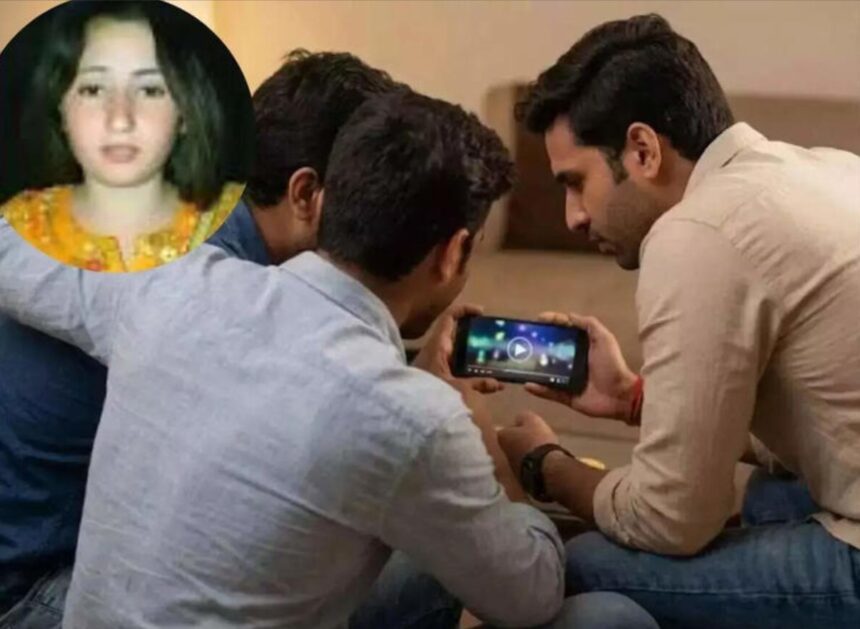
Social media platforms and WhatsApp groups across India have recently been flooded with posts mentioning a so-called “viral MMS video” involving Sarah Baloch. The posts also claim a connection to an alleged incident in Assam — a detail that has amplified curiosity and sharing.
However, available information strongly suggests that the circulating content is part of a phishing campaign designed to lure users into clicking unsafe links.
Who Is Sarah Baloch?
Sarah Baloch is a Pakistani social media influencer known for posting lifestyle, fashion, and travel content on platforms such as Instagram and TikTok. With a sizeable online following and high engagement rates, her name carries enough visibility to be exploited in clickbait schemes.
Cybercriminals often misuse the identities of public figures without consent to generate attention and drive traffic toward malicious websites.
See more of our coverage in your search results.
Add Hunterfly on GoogleIs the ‘Viral MMS Video’ Real?
There is no verified evidence of any authentic “viral MMS video” linked to Sarah Baloch.
Reports indicate that the circulating clip is allegedly created by stitching together unrelated, older video segments of the influencer and pairing them with blurred thumbnails and sensational headlines. The aim appears to be attracting clicks rather than sharing legitimate news.
What Is the Claimed Assam Connection?
Many of the viral posts attempt to localise the hoax by claiming that the video is tied to a shocking incident in Assam. There is no confirmed report or credible news source supporting such claims.
Cybersecurity experts note that adding a local reference increases the likelihood of engagement, especially among users in specific regions. The “Assam link” appears to be a strategic hook rather than a factual detail.
How the Viral Video Scam Typically Works
The pattern of this phishing trap follows a common structure:
See more of our coverage in your search results.
Add Hunterfly on Google1. The Hook:
A blurred or provocative thumbnail with a sensational headline mentioning a well-known personality and a local location.
2. The Redirect:
Clicking the link leads to suspicious or ad-heavy websites rather than credible news platforms.
3. The Trap:
Users may be asked to verify their age, log into social media, or share the link with others to unlock content — a tactic used to harvest login credentials and personal data.
See more of our coverage in your search results.
Add Hunterfly on GoogleHidden scripts embedded in such pages can also install adware or spyware without clear user consent.
What Happens If You Click the Link?
Clicking or downloading content from unverified sources can result in:
- Malware installation on your device
- Theft of banking credentials or OTPs
- Access to personal photos, contacts, or documents
- Financial fraud or identity misuse
Forwarding such links may also expose others to similar risks.
Red Flags to Watch For
You can identify similar scams by looking for:
- A foreign influencer suddenly linked to a local incident
- Shortened or suspicious URLs that do not belong to established news websites
- Pages asking users to share the link in WhatsApp groups before unlocking content
These are classic indicators of phishing campaigns.
What To Do If You Receive or Click the Link
If you receive such a message:
- Avoid clicking or sharing the link
- Delete the message immediately
- Inform the sender that it may be harmful
- Clear browser cache and cookies
- Review app permissions and uninstall unfamiliar apps
- Enable two-factor authentication for banking and social media accounts
If you suspect financial fraud, contact your bank immediately and consider filing a cybercrime complaint through official government portals.