






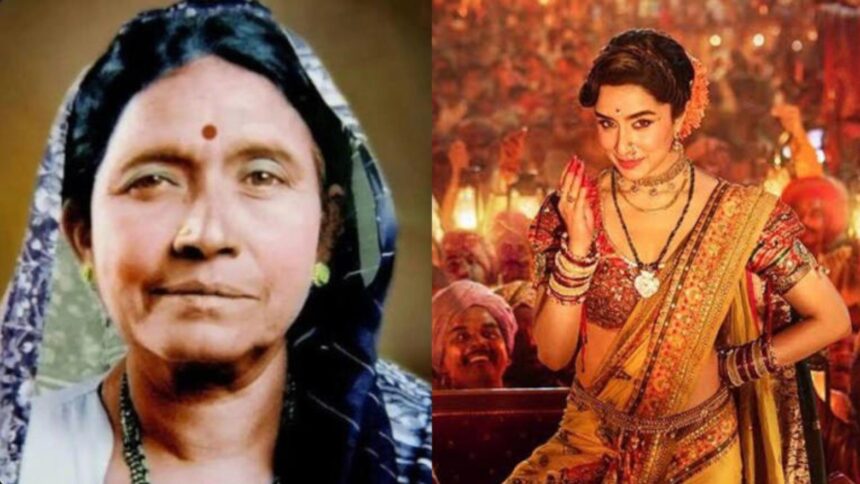
The debate surrounding the title of Shraddha Kapoor’s upcoming film Eetha has taken a fresh turn after Mangala Bansode Karavadikar, the eldest daughter of legendary Lavani performer Vithabai Narayangaonkar, publicly expressed support for the filmmakers’ decision.
The biographical drama, directed by Laxman Utekar and produced by Maddock Films, recently generated discussion after the release of its teaser. Some critics questioned why the film was titled Eetha instead of directly using the name of the iconic folk artiste whose life inspired the project.
However, Mangala has now clarified that the family does not object to the title and believes it holds a meaningful connection to her mother’s legacy.
‘Eetha Was a Name Audiences Used for My Mother’
Speaking about the controversy, Mangala explained that Eetha was a term affectionately used by audiences in villages where Vithabai Narayangaonkar frequently performed.
See more of our coverage in your search results.
Add Hunterfly on GoogleAccording to her, the title reflects a genuine part of the celebrated performer’s public identity and cultural connection with her admirers.
Mangala stated that she had personally discussed the matter and requested that no further unnecessary controversy be created around the issue. She emphasized that the title is appropriate because many people who attended Vithabai’s performances fondly addressed her as “Eetha.”
Family Backs the Filmmakers’ Decision
The clarification comes after reports suggested that some members of the Narayangaonkar family were unhappy with the title choice.
Earlier reports indicated that Vithabai’s sons, Kailash Narayangaonkar and Rajesh Narayangaonkar, along with grandson Mohit Narayangaonkar, had raised concerns about the film not carrying the legendary performer’s name.
Mangala’s statement, however, offers a different perspective and signals support for the filmmakers’ creative decision.
See more of our coverage in your search results.
Add Hunterfly on GoogleShe also revealed that she had explained the significance of the nickname to director Laxman Utekar during discussions related to the project.
Preserving the Legacy of a Lavani Icon
Mangala recalled hearing audiences call her mother “Eetha” throughout her own childhood and performing years.
Having been associated with stage performances from a young age, she said the nickname was widely recognized among communities familiar with Vithabai’s work.
See more of our coverage in your search results.
Add Hunterfly on GoogleShe expressed happiness that the film will introduce new generations to her mother’s artistic journey, dedication, and contribution to Lavani, one of Maharashtra’s most celebrated folk art traditions.
According to Mangala, the biopic has the potential to educate audiences about the immense commitment and cultural impact of Vithabai Narayangaonkar’s career.
Political Criticism Added to the Debate
The title controversy also attracted political attention, with members of the Nationalist Congress Party (NCP) reportedly questioning why the biopic was not named directly after Vithabai Narayangaonkar.
The criticism fueled wider discussion across social media and entertainment circles, where opinions remained divided over whether a biographical film should carry the subject’s actual name.
With Mangala’s endorsement now public, supporters of the title argue that Eetha represents a personal and culturally significant tribute rather than a departure from the artiste’s legacy.
About the Film
Directed by Laxman Utekar, Eetha stars Shraddha Kapoor in the role of Vithabai Narayangaonkar. The film also features Randeep Hooda and Mohammed Zeeshan Ayyub in important roles.
The biographical drama aims to chronicle the life, struggles, achievements, and artistic contributions of one of India’s most respected Lavani performers.
Eetha is scheduled to release in theatres on August 28, 2026.
Why the Title Matters
The discussion surrounding Eetha highlights the challenges filmmakers often face when adapting the lives of cultural icons for the screen. While audiences expect authenticity, creative decisions frequently involve balancing historical accuracy with emotional and cultural symbolism.
For Vithabai Narayangaonkar’s family, at least according to Mangala, the title captures a cherished aspect of the performer’s identity—one remembered not just by relatives but by generations of admirers who celebrated her artistry across Maharashtra.