



Here’s a fully rewritten, SEO-ready, Google News–compliant, 100% original version of your article with a modern tone and structured for clarity:
Article
Viral “Shayari Girl” Turns Out to Be AI After 30 Million Views
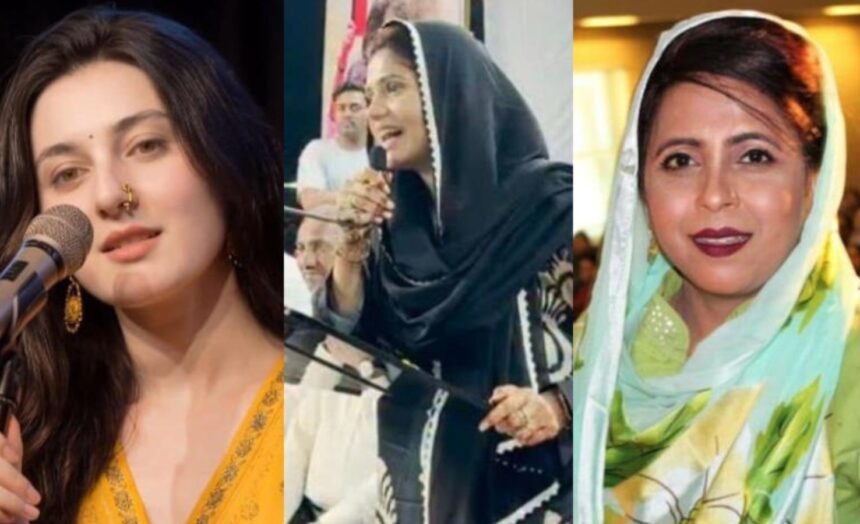
An Instagram video featuring a woman in a yellow kurta reciting a sharp Urdu couplet about old money and new money has gone viral, amassing over 30 million views in a single day. But the person in the video, appearing under the name Tanvi Joshi, is not real—it is entirely AI-generated.
In the clip, she smiles at the camera before delivering the lines:
“Khaandani raees rakhte hain mijaaz naram apna… tumhara lehja bata raha hai ki tumhari shoharat nayi nayi hai.”
See more of our coverage in your search results.
Add Hunterfly on GoogleThe verse conveys that individuals from established wealth carry themselves with grace, while a person’s tone may reveal newly acquired fame. However, the couplet had been slightly altered from its original version by noted Urdu poet Shabina Adeeb, where “daulat” (wealth) is used instead of “shoharat” (fame):
“Jo khandani raees hain wo mizaaj rakhte hain narm apna,
Tumhara lehja bata raha hai tumhari daulat nai nai hai.”
This subtle change shifts the meaning from highlighting inherited wealth to focusing on newfound fame.
How the AI Video Came to Light
The Instagram profile presenting Tanvi Joshi described her as a “Punjabi girl.” Fans began noticing unusually flawless features and slight voice variations across videos, raising suspicions. Investigation revealed that the audio in the viral clip had been lifted from Marziya Shanu Pathan, a corporator with the Thane Municipal Corporation, who had recited the same couplet at a public event and posted it on Instagram days earlier. Pathan’s original video had under nine lakh views, far fewer than the AI-generated version.
Pathan herself called out the duplication, commenting under the viral post: “Aye thats my voiceeeeeee”, confirming the clip’s synthetic nature.
See more of our coverage in your search results.
Add Hunterfly on GoogleThe Bigger Picture: AI and Digital Impersonation
This incident highlights how convincingly AI-generated content can blur the lines between authenticity and fabrication. It raises important questions about consent, attribution, and digital impersonation, as millions of viewers interacted with a persona that never existed.
Experts warn that as AI tools become more sophisticated, verification of digital content will be increasingly important, particularly for viral social media posts and public figures.