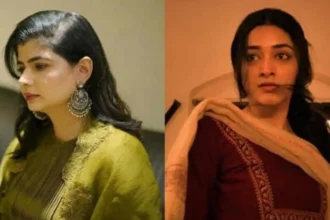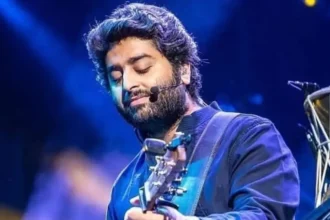






The Tamil song Vaanmathi has become the centre of a music copyright controversy after Hindustani classical vocalist Kaushiki Chakraborty reportedly sent a legal notice to singer Chinmayi Sripaada and Singapore-based songwriter and producer Shabir Sulthan.
Kaushiki has alleged that portions of her 2015 performance at the Darbar Festival were used in the song without her permission, acknowledgement or credit. Chinmayi has acknowledged receiving the legal notice and stated that she was unaware of the alleged copying when she recorded her parts.
The dispute has brought renewed attention to questions of artistic attribution, copyright and the responsibilities of performers and music creators when incorporating existing musical material into a new recording.
Kaushiki Chakraborty Alleges Unauthorised Use of Her Performance
In a video shared on Instagram, Kaushiki reportedly raised concerns about the use of portions of her performance at the Darbar Festival in 2015 in Vaanmathi. She alleged that the material was used without her consent or appropriate credit.
According to her account, she had attempted to resolve the issue before taking legal action. She said those efforts did not lead to a satisfactory outcome, prompting her to send a legal notice.
Kaushiki also shared clips comparing her original performance with the disputed song to explain the basis of her allegations. In her accompanying message, she framed the matter as a broader effort to protect musicians’ rights and encouraged people to share her statement.
The allegations have not, on the information available for this report, been established through a court ruling. The legal notice represents a formal step in the dispute, rather than a final determination of whether copyright infringement occurred.
Chinmayi Sripaada Responds to the Legal Notice
Chinmayi acknowledged receiving a legal notice from Kaushiki’s legal team in a statement posted to her Instagram Stories. She said the notice concerned phrases allegedly used in Vaanmathi and maintained that she had not known about the disputed material when she recorded her vocals.
In her statement, Chinmayi explained that her role was as a recording artiste and that she had performed her lines for the song. She said she became aware of the allegations only after the legal notice and the circulation of Kaushiki’s Instagram video.
Chinmayi also indicated that she had spoken to Shabir Sulthan after the allegations emerged. According to her account, Shabir assured her that he would address the matter through the appropriate legal process.
The singer further defended her musical integrity, saying that knowingly copying another artiste’s work would conflict with her principles and professional dignity.
Her response centres on her claim that she was unaware of the alleged unauthorised use. It does not, by itself, resolve the questions surrounding the song’s composition, the source of the disputed phrases or the permissions obtained during production.
What Happened to Vaanmathi After the Allegations?
The supplied account states that the song was reportedly removed from Shabir’s social media accounts following a request from Chinmayi. The exact scope of the reported removal, including whether the song remains available on other platforms, requires independent confirmation.
Any removal from a social media account should not automatically be interpreted as an admission of wrongdoing. The circumstances and legal implications depend on the actions taken by the parties and any subsequent findings.
The central issue remains whether the material identified by Kaushiki was used without the necessary permission or attribution, and who was responsible for obtaining any required rights.
Who Is Kaushiki Chakraborty?
Kaushiki Chakraborty is a prominent Indian vocalist associated with Hindustani classical music and the Patiala gharana. She is the daughter of renowned classical singer Ajoy Chakraborty and is known for performances spanning forms such as khayal, thumri, dadra and bhajan.
Her career has included performances for audiences in India and internationally. She also received recognition at the BBC Radio 3 Awards for World Music in the Asia-Pacific category in 2005.
The Vaanmathi dispute concerns the alleged use of material from one of her earlier performances, bringing the issue of protecting recorded and performed musical work into focus.
Why the Vaanmathi Dispute Matters for Music Copyright
The controversy highlights a recurring challenge in the music industry: determining when the use of an existing performance, melody or phrase requires permission and formal attribution.
Copyright questions can depend on what material was used, whether it was protected, the nature of the use, the rights held by different parties and any licences or permissions obtained. The legal position cannot be determined solely by comparing two audio clips or by the fact that a legal notice has been issued.
The dispute also illustrates the distinction between a singer’s performance role and the responsibilities associated with a song’s composition and production. The specific obligations of each party depend on the facts, agreements and applicable law.
What Happens Next?
Kaushiki Chakraborty’s legal notice has placed the allegations concerning Vaanmathi in the public spotlight. Chinmayi Sripaada has said she was unaware of the alleged copying and has indicated that Shabir Sulthan intends to address the matter legally.
The next developments may clarify the parties’ positions, the permissions associated with the disputed material and whether the matter proceeds to further legal action.
Until more information is available from the parties or their legal representatives, the claims should be treated as allegations rather than established findings. The outcome will depend on the evidence and any subsequent legal proceedings.