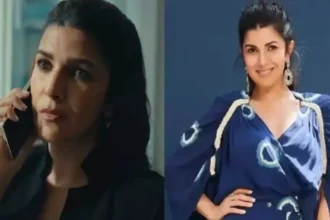









After earning acclaim for her performances on screen, Shweta Tripathi is expanding her creative journey by stepping into film production. Known for her role in Mirzapur, the actor has now chosen to back women-led and queer narratives — a decision she describes as deeply personal.
First Queer Film as Producer
Shweta recently announced her debut production venture, Mujhe Jaan Na Kaho Meri Jaan, a queer-themed film starring Tilottama Shome. The project is expected to go on floors later this year.
In addition to the film, she has also backed the queer stage play Cock, which received a strong audience response during its run.
Speaking about her transition behind the camera, Shweta shared that supporting stories centered around women and queer lives feels like a natural extension of her beliefs. She emphasised that such narratives have always existed but have not consistently received the space or respect they deserve.
See more of our coverage in your search results.
Add Hunterfly on Google‘This Feels Like the Path I Want to Be On’
For Shweta, producing is not merely a professional expansion but a purposeful choice. She has stated that if meaningful change is to happen within the industry, creators must actively participate in shaping it.
With the creative freedom she now holds, she intends to use it responsibly. Her goal is to champion stories that feel human, nuanced, and relatable rather than loud or sensational. According to her, powerful storytelling often lies in quiet, layered narratives that remain with audiences long after the credits roll.
Backing women-led subjects and queer voices, she says, aligns with the direction she wants her career to take — one guided by honesty and intent.
What’s Next for Shweta?
On the acting front, Shweta will next appear in Mirzapur: The Movie, slated for a theatrical release on September 4. The film features an ensemble cast including Pankaj Tripathi, Divyenndu, Jitendra Kumar, Sheeba Chadha, and Ali Fazal, among others.
As she balances performance and production, Shweta’s next chapter signals a broader creative ambition — one that seeks to amplify voices often underrepresented in mainstream cinema.
See more of our coverage in your search results.
Add Hunterfly on Google