







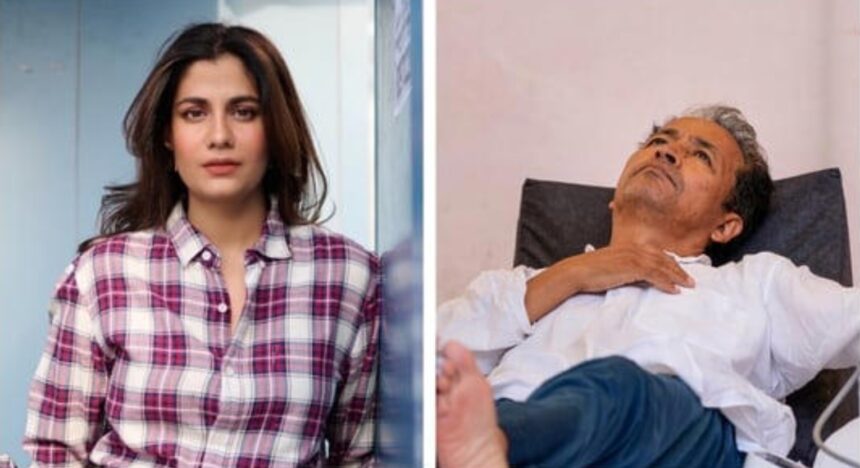
Actor Shreya Dhanwanthary has publicly expressed concern over the health of educator and climate activist Sonam Wangchuk, urging him to reconsider his ongoing indefinite hunger strike at Delhi’s Jantar Mantar.
The appeal comes amid growing concerns about Wangchuk’s physical condition after weeks of fasting during a protest that has attracted national attention and support from public figures, activists, and citizens.
Shreya Dhanwanthary’s Emotional Message
On Tuesday, Shreya Dhanwanthary shared her thoughts on social media while reacting to updates about Wangchuk’s health.
Responding to a post highlighting the activist’s deteriorating condition, the actor acknowledged her admiration for his peaceful method of protest but also expressed concern about the personal toll it may be taking.
See more of our coverage in your search results.
Add Hunterfly on GoogleIn her message, she urged Wangchuk to consider ending the fast, arguing that prolonged self-sacrifice should not come at the cost of his well-being.
Her comments quickly gained traction online, with many users echoing her concerns and calling for dialogue between stakeholders involved in the ongoing protest.
Growing Support From Public Figures
Shreya is not the only public personality to voice support for Wangchuk.
Actor Omi Vaidya, known to audiences for his role in 3 Idiots, also shared a video message highlighting concerns about the activist’s health. In his appeal, he urged greater public awareness of the situation and emphasized the importance of finding a peaceful resolution.
Veteran actor Zeenat Aman likewise called for constructive engagement and dialogue, encouraging authorities to address the concerns being raised before the situation escalates further.
See more of our coverage in your search results.
Add Hunterfly on GoogleThe involvement of well-known personalities has brought additional attention to the protest and its underlying demands.
Why Sonam Wangchuk Is Protesting
Wangchuk, an engineer, innovator, education reformer, and environmental advocate from Ladakh, joined the protest at Jantar Mantar on June 28.
The demonstration was launched over concerns related to alleged irregularities in the NEET examination process and broader demands connected to accountability and educational reforms.
See more of our coverage in your search results.
Add Hunterfly on GoogleOrganizers have called for specific policy actions and have sought engagement from government representatives regarding the issues being raised.
Since joining the protest, Wangchuk has reportedly remained on an indefinite hunger strike.
Concerns Over His Health
According to updates released by protest organizers, Wangchuk’s health has shown signs of deterioration during the prolonged fast.
Recent health bulletins cited weight loss and declining blood sugar levels, prompting supporters to intensify calls for medical monitoring and intervention.
Health experts generally caution that extended fasting can place significant strain on the body, particularly when maintained over several weeks. Potential risks may include muscle loss, fatigue, nutritional deficiencies, and complications affecting multiple organ systems.
While supporters continue to respect Wangchuk’s decision, many have expressed concern about the long-term consequences if the strike continues indefinitely.
A Symbol of Peaceful Protest
Throughout his public life, Wangchuk has been associated with non-violent advocacy, environmental awareness, educational innovation, and sustainable development initiatives.
His supporters view the hunger strike as an extension of his long-standing commitment to peaceful civic engagement. They argue that the protest is intended to draw attention to issues that require urgent public discussion and institutional response.
At the same time, others believe that meaningful dialogue is necessary to prevent further risks to his health.
Calls for Dialogue Continue
As concern grows, the central demand emerging from supporters, public figures, and activists is the need for communication and engagement between all parties involved.
Many observers argue that open dialogue remains the most effective path toward resolving disputes in a democratic society and addressing public concerns constructively.
With attention on the protest continuing to increase, developments in the coming days are likely to be closely watched by supporters, policymakers, and the wider public.
What Happens Next?
Protest organizers have announced additional demonstrations and public outreach efforts aimed at drawing attention to their demands.
Meanwhile, concern for Wangchuk’s health remains at the center of the conversation.
As appeals from public figures such as Shreya Dhanwanthary, Omi Vaidya, and Zeenat Aman continue to circulate, the focus is increasingly shifting toward finding a resolution that addresses the issues being raised while ensuring the activist’s safety and well-being.
For many supporters, the hope is that meaningful dialogue can begin before the situation reaches a critical stage.