







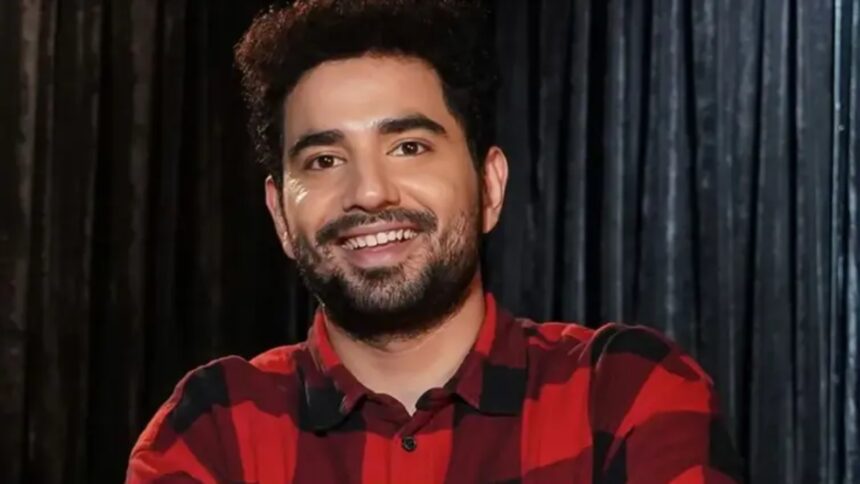
The Supreme Court has closed the criminal proceedings against comedian Samay Raina and four other individuals in connection with allegedly insensitive remarks concerning persons with disabilities on the online comedy show India’s Got Latent. The court noted the group’s compliance with directions to undertake awareness initiatives and support the disability community.
The Supreme Court on Friday granted major relief to comedian and YouTuber Samay Raina and four others, bringing an end to the criminal proceedings arising from allegations over jokes concerning persons with disabilities on India’s Got Latent.
A bench headed by Chief Justice of India Surya Kant, along with Justices Joymalya Bagchi and V. Mohana, passed the order after taking note of the steps undertaken by the individuals in accordance with earlier directions of the court.
The proceedings had followed controversy surrounding content from Raina’s online comedy show, with complaints and FIRs alleging that certain remarks were insensitive towards persons with disabilities.
See more of our coverage in your search results.
Add Hunterfly on GoogleSupreme Court closes criminal proceedings
The court’s latest order provides complete criminal relief to the five individuals named in the proceedings.
The group includes:
- Samay Raina
- Vipul Goyal
- Balraj Paramjeet Singh Ghai
- Sonali Thakkar, also known as Sonali Aditya Desai
- Nishant Jagdish Tanwar
The Supreme Court recorded that the directions issued earlier had been complied with and ordered the criminal proceedings concerning the respondents to be brought to an end.
The order effectively removes the pending criminal cases connected with the controversy against the five comedians, while the wider proceedings before the Supreme Court continue on issues concerning disability sensitivity and digital content.
Court praises corrective and awareness efforts
During the hearing, the bench took note of the awareness work and fundraising efforts undertaken by the comedians following the controversy.
See more of our coverage in your search results.
Add Hunterfly on GoogleThe court observed that genuine efforts to move in a constructive direction can produce positive results. The bench also described the individuals as young and capable people who had taken steps towards a more positive contribution.
The court’s observations place emphasis not only on punishment but also on awareness, accountability and rehabilitation, particularly when controversial digital content affects vulnerable communities.
For the creators involved, the initiatives ordered by the court became an important part of the process that ultimately resulted in the criminal proceedings being closed.
See more of our coverage in your search results.
Add Hunterfly on GoogleBroader disability and digital-content issues remain before Supreme Court
Although the criminal proceedings against the five individuals have been quashed, the Supreme Court has not brought the broader legal matter to an end.
The court is expected to continue examining wider questions surrounding online content, disability rights and the need for greater sensitivity when digital entertainment involves marginalised or vulnerable communities.
The continuing proceedings could therefore have implications beyond the individual case, particularly for creators, streaming platforms, social-media personalities and digital entertainment producers.
The development comes at a time when online comedy and creator-led entertainment have become a major part of India’s media landscape, raising continuing questions about the boundaries between satire, freedom of expression, offensive speech and the protection of vulnerable groups.
Samay Raina’s donation to Assam relief fund
The latest Supreme Court development also comes after another public initiative involving Samay Raina.
The Assam Chief Minister’s Office recently acknowledged a contribution of ₹10 lakh by Raina to the Chief Minister’s Relief Fund. Assam Chief Minister Himanta Biswa Sarma shared the acknowledgement on X along with details of the transaction.
The donation followed the controversy surrounding an earlier episode of India’s Got Latent, which had resulted in legal action in several places and generated significant public attention.
Raina subsequently stepped away from public-facing digital activity for a period before returning to content creation.
India’s Got Latent controversy brought creator accountability into focus
The controversy surrounding India’s Got Latent became one of the most closely watched cases involving India’s digital entertainment industry.
The episode triggered debate over the responsibilities of comedians and online creators, particularly when jokes or performances involve disability, sexuality or other sensitive subjects.
The Supreme Court’s handling of the matter has also highlighted the possibility of using corrective measures and community-focused initiatives alongside legal proceedings.
For the digital creator economy, the case serves as a reminder that freedom of expression comes with responsibilities, particularly when content reaches millions of viewers across social-media and streaming platforms.
What the Supreme Court’s order means
For Samay Raina and the four other individuals, the immediate consequence is significant: the criminal proceedings connected with the disability-joke controversy have been closed.
However, the larger questions surrounding responsible digital expression remain relevant.
The case could continue to attract attention as the Supreme Court considers broader recommendations and issues concerning disability representation, online entertainment and safeguards for vulnerable communities.
The development also reinforces an increasingly important principle for digital publishers and creators: controversial content can have consequences well beyond social-media criticism, while meaningful corrective action and public awareness can play a role in resolving disputes.