







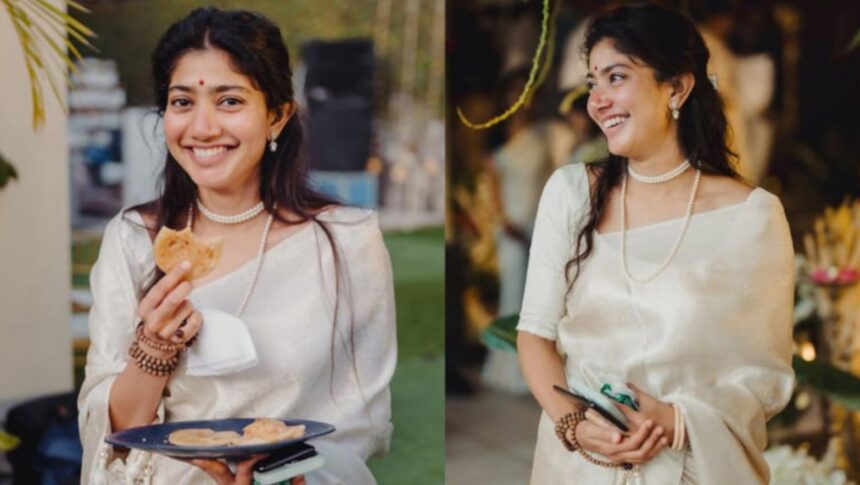
Actor Sai Pallavi, known for her acclaimed performances in Tamil, Telugu and Malayalam cinema, has earned admiration not only for her acting but also for her simple lifestyle and strong connection to Indian traditions. As she prepares to portray Goddess Sita in Namit Malhotra’s Ramayana, fans have also noticed a personal detail that has become closely associated with her public appearances—a jaap mala that she is often seen wearing around her wrist.
Whether attending film events or appearing in public, Sai Pallavi frequently carries the prayer beads, prompting curiosity among admirers about their spiritual significance.
A Spiritual Symbol That Reflects Inner Discipline
During the Ramayana: Pratham Sankalp event in New Delhi, Sai Pallavi paired a traditional Kanjivaram saree and gold jewellery with her familiar jaap mala, once again drawing attention to the accessory.
According to Acharya Poonam Dutta (Satyamshakti), Founder and Chief Astrologer at Annant Drishti, the beads appear to be a Rudraksha mala, one of the most respected prayer bead varieties in Hindu traditions.
See more of our coverage in your search results.
Add Hunterfly on GoogleSpeaking to Hunterfly, the astrologer explained that Rudraksha beads have long been associated with Lord Shiva and are regarded as symbols of devotion, discipline and spiritual focus.
What Is a Rudraksha Mala?
Rudraksha beads are traditionally made from the seeds of the Rudraksha tree and are commonly used during mantra chanting and meditation.
Many devotees wear them as:
- Neck malas
- Wrist malas
- Arm malas
- Prayer beads used during meditation
In Hindu traditions, Rudraksha is often viewed as more than an ornament. It represents a spiritual commitment and is frequently chosen by individuals seeking a disciplined devotional practice.
According to Acharya Poonam Dutta, Rudraksha carries a grounded spiritual presence and is traditionally associated with steadiness and inner strength.
See more of our coverage in your search results.
Add Hunterfly on GoogleWhy Some Devotees Choose Rudraksha
The astrologer explained that Rudraksha has historically been linked with practices dedicated to Lord Shiva and is also traditionally associated with certain forms of spiritual discipline.
Within many spiritual traditions, devotees believe Rudraksha may help cultivate:
- Mental calmness
- Focus during meditation
- Emotional balance
- Spiritual discipline
- A sense of inner stability
These beliefs are rooted in traditional Hindu practices and are matters of personal faith. They are not established medical or scientific claims.
See more of our coverage in your search results.
Add Hunterfly on GoogleDifferent Types of Jaap Malas and Their Traditional Associations
Not every prayer mala is intended for the same purpose.
According to the expert, different materials are traditionally connected with different devotional practices.
Some commonly used jaap malas include:
Rudraksha Mala
Traditionally associated with Lord Shiva and often chosen for meditation and Shiva mantra chanting.
Tulsi Mala
Widely used by devotees of Lord Vishnu and Lord Krishna and commonly associated with Vaishnav traditions.
Sphatik (Crystal) Mala
Often selected by practitioners seeking mental clarity and peaceful meditation.
Sandalwood Mala
Commonly used during devotional practices and appreciated for its natural fragrance.
Other traditional materials include lotus seeds, turmeric beads and red sandalwood, each carrying cultural and spiritual significance depending on the practice.
Is a Jaap Mala Meant to Be Worn All the Time?
Unlike gemstones prescribed in certain astrological traditions, a jaap mala does not necessarily have to be worn continuously.
Some practitioners:
- Wear it only during mantra chanting.
- Use it exclusively for meditation.
- Wear it daily as a reminder of their spiritual practice.
The astrologer noted that individuals who wear a mala regularly often view it as a symbol of ongoing mindfulness and devotion.
Others prefer to keep it solely as a meditation tool, bringing it out only during prayer before respectfully storing it afterward.
More Than a Fashion Accessory
As spiritual symbols become increasingly visible in popular culture, experts caution against viewing prayer beads purely as style statements.
According to Acharya Poonam Dutta, a jaap mala traditionally represents:
- Devotion
- Personal discipline
- A spiritual vow (vrata)
- Regular mantra practice
- Guidance received from a guru or teacher
Its significance, therefore, extends beyond appearance and reflects an individual’s personal spiritual journey.
Sai Pallavi’s Public Image
Over the years, Sai Pallavi has become known for embracing simplicity both on and off screen.
Whether attending award ceremonies, film promotions or cultural events, she is often seen choosing traditional Indian attire and minimal accessories, reinforcing an image that resonates with audiences who appreciate authenticity and cultural roots.
Her upcoming portrayal of Goddess Sita in Ramayana has further amplified public interest in her lifestyle and spiritual practices.
Hunterfly Take
Sai Pallavi’s choice to wear a Rudraksha jaap mala has sparked conversations not because it is a fashion statement, but because it reflects the growing public interest in spirituality and mindful living.
For many devotees, a jaap mala serves as a deeply personal symbol of faith, discipline and remembrance. While traditions surrounding different malas vary across communities, their shared purpose remains rooted in devotion and meditation rather than appearance.
Frequently Asked Questions
What type of jaap mala does Sai Pallavi appear to wear?
According to Acharya Poonam Dutta, it appears to be a Rudraksha mala, traditionally associated with Lord Shiva.
What is the purpose of a jaap mala?
A jaap mala is traditionally used to count repetitions during mantra chanting and meditation while helping practitioners maintain focus.
Can anyone wear a Rudraksha mala?
Many people choose to wear Rudraksha as part of their personal spiritual practice. Those seeking guidance on traditional usage may consult a qualified spiritual teacher or guru.
Is wearing a jaap mala compulsory during prayer?
No. Many devotees use it during meditation, while others wear it daily as a personal reminder of their spiritual commitment.
Are the benefits of Rudraksha scientifically proven?
The spiritual significance and traditional beliefs associated with Rudraksha are matters of faith and cultural practice. They should not be interpreted as scientifically established medical benefits.