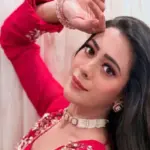


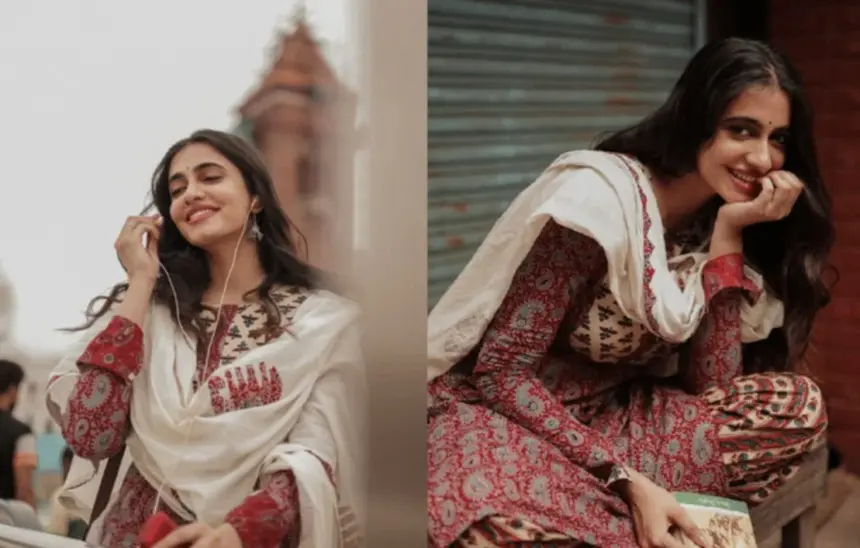
A vibrant red kurta, delicate prints and a contrasting ivory dupatta create a versatile ethnic combination that brings together traditional charm, everyday comfort and contemporary styling.
Indian ethnic fashion has an enduring appeal, particularly when classic silhouettes are paired with thoughtful colour combinations. While heavily embroidered outfits have their place at weddings and celebrations, simpler printed ensembles offer something equally valuable: clothing that can feel elegant without being overly elaborate.
A red printed kurta set with an ivory dupatta is one such combination.
The richness of red creates an immediate visual impact, while the softness of ivory introduces balance. Together, the two colours offer a polished ethnic look that can be adapted for daytime gatherings, festive occasions, family celebrations and regular outings.
What makes this combination appealing is its simplicity. Instead of depending on intricate embellishments or excessive accessories, it uses colour, print and proportion to create a distinctive appearance.
Why a Red Printed Kurta Set Makes a Strong Style Statement
Red holds a prominent place in Indian fashion, appearing in everything from traditional bridal clothing to contemporary festive collections.
Its appeal extends beyond ceremonial dressing.
When incorporated into a printed kurta, red can create an expressive yet wearable look, especially when balanced with neutral accessories and lighter fabrics.
The effect depends on the exact shade.
Deep maroon and brick-red tones may create a more understated appearance, while brighter crimson and vermilion shades offer a bolder finish.
Printed patterns also influence the overall character of the garment.
Small floral motifs can make a kurta feel delicate and relaxed. Geometric patterns may create a more contemporary look, while block-print-inspired designs can introduce a traditional textile aesthetic.
A red kurta therefore offers considerable styling flexibility, even within a relatively simple silhouette.
The Ivory Dupatta Creates a Beautiful Contrast
One of the most appealing aspects of this ethnic combination is the contrast between the red kurta and ivory dupatta.
Ivory is softer than stark white and often carries warm undertones that complement red particularly well.
When paired with a strongly coloured kurta, an ivory dupatta can lighten the overall appearance and prevent the outfit from feeling visually overwhelming.
It also allows the printed design to remain prominent.
For a coordinated look, the dupatta can be worn loosely over one shoulder, arranged across both shoulders or draped around the neck.
The preferred arrangement depends on the occasion, the dupatta’s length and the fabric’s weight.
A lightweight cotton or chiffon dupatta, for example, can create a relaxed daytime appearance, while a silk-blend or lightly bordered dupatta may add a more festive touch.
For the most balanced result, the dupatta should complement rather than compete with the kurta’s print.
Choosing the Right Kurta Silhouette
The design of the kurta plays an important role in making the outfit comfortable and flattering.
A straight-cut kurta offers a clean silhouette that works with narrow trousers, cigarette pants or straight palazzos.
An A-line design provides more movement through the lower half and can be particularly comfortable for longer outings.
An Anarkali-inspired silhouette creates additional volume and may be more suitable for celebrations where a slightly dressier appearance is preferred.
Sleeve length and neckline design also affect the outfit’s versatility.
Three-quarter sleeves and a simple round or V-shaped neckline can create an easy everyday look, while decorative cuffs, button details or contrasting piping can provide a more refined finish.
The ideal choice ultimately depends on personal comfort and the occasion rather than a single fashion rule.
How to Style a Red Printed Kurta Set for Different Occasions
A coordinated ethnic outfit becomes more useful when it can be worn in several settings.
For everyday outings, combine the red printed kurta with comfortable trousers, minimal earrings and flat sandals. A lightweight ivory dupatta keeps the appearance relaxed.
For office wear, select a kurta with a subtle print and clean tailoring. Closed-toe flats, a structured handbag and restrained jewellery can create a polished outfit appropriate to many workplaces.
For festive gatherings, consider adding traditional jhumkas, bangles or embroidered footwear.
A small clutch and a carefully arranged dupatta can make the same colour combination feel more formal.
For family celebrations, a softly styled hairstyle, warm-toned makeup and statement earrings may be enough to elevate the ensemble without adding heavy layers.
The key is to adjust the accessories rather than changing every element of the outfit.
Jewellery That Complements Red and Ivory
The combination of red and ivory works with several jewellery finishes.
Gold-toned accessories can bring warmth to the outfit, making them a familiar choice for festive styling.
Oxidised silver jewellery may create a more casual, handcrafted aesthetic, especially with block-printed or geometric designs.
Pearl-inspired accessories can complement the ivory dupatta and create a softer appearance.
However, jewellery selection should also consider the scale of the printed pattern.
A kurta covered in large, colourful motifs may work best with simple earrings. A garment with small, understated prints can accommodate a more noticeable necklace or pair of jhumkas.
Maintaining that visual balance helps the outfit appear coordinated rather than overly decorated.
Footwear and Handbags for a Complete Ethnic Look
Footwear can significantly change the impression of a printed kurta set.
Traditional juttis offer a classic choice and can work especially well for festive occasions or family gatherings.
Neutral sandals provide a practical alternative for daytime wear.
For a more contemporary look, minimal block heels or pointed flats can create a slightly structured finish.
Handbags offer another opportunity to introduce texture.
An ivory handbag can echo the dupatta, while a tan or beige bag adds a neutral element.
For celebrations, an embroidered potli bag or compact clutch can provide a traditional accent.
Avoiding too many competing prints is useful when the kurta already contains a detailed pattern.
Fabric Matters: Comfort Beyond Appearance
A printed kurta set may look attractive, but the fabric determines how comfortably it can be worn.
Cotton is a popular option for warm weather because of its breathability and familiar feel against the skin.
Cotton blends may offer additional crease resistance, although their comfort depends on the precise composition and construction.
Viscose-based fabrics can provide a soft drape, while certain silk blends may be more appropriate for dressier occasions.
The weight and transparency of the ivory dupatta also deserve attention.
Very sheer fabrics may require careful styling, while heavier materials may be less convenient for long periods of wear.
Before purchasing, buyers should check the fibre composition, care instructions, fit and whether the garment includes the dupatta and trousers shown in promotional photographs.
These practical details can be as important as the outfit’s appearance.
How to Keep a Red Printed Kurta Looking Its Best
Proper garment care can help preserve the colour and appearance of a printed ethnic outfit.
Red textiles may release excess dye during early washes, depending on the fabric and dyeing process.
For that reason, it is useful to check the care label and wash instructions before cleaning the garment.
Where machine or hand washing is permitted, washing dark and light pieces separately can reduce the risk of colour transfer.
An ivory dupatta should be kept away from potentially colour-bleeding garments during washing and drying.
Harsh detergents, excessive heat and prolonged exposure to direct sunlight may affect some dyed and printed textiles.
If the set contains delicate embroidery or a specialist fabric, professional cleaning may be more suitable.
Following the manufacturer’s recommendations remains the safest approach.
Why Red and Ivory Remain a Timeless Combination
Fashion trends continually introduce new colours, prints and silhouettes, but certain combinations remain appealing because of their versatility.
Red and ivory offer a contrast that can look festive without requiring extensive embellishment.
The red kurta provides personality and visual depth, while the ivory dupatta introduces softness and balance.
This combination also allows accessories to be changed according to the occasion.
Traditional jewellery can create a celebratory appearance, while minimal accessories and comfortable footwear can make the outfit suitable for everyday dressing.
For anyone building a practical ethnic wardrobe, the ability to wear a garment in multiple ways can make it more useful than an outfit reserved for a single event.
A Simple Ethnic Outfit With Lasting Appeal
A red printed kurta set paired with an ivory dupatta demonstrates how traditional Indian dressing can feel graceful, comfortable and contemporary at the same time.
Its appeal lies not in extravagant decoration but in the relationship between colour, print, fabric and silhouette.
Whether styled with simple flats for daytime wear or dressed up with statement jewellery for a celebration, the combination offers room for personal expression.
For those who appreciate ethnic fashion that balances style with practicality, red and ivory remain a dependable pairing worth exploring.
Have a story tip or feedback? Write to [email protected].