




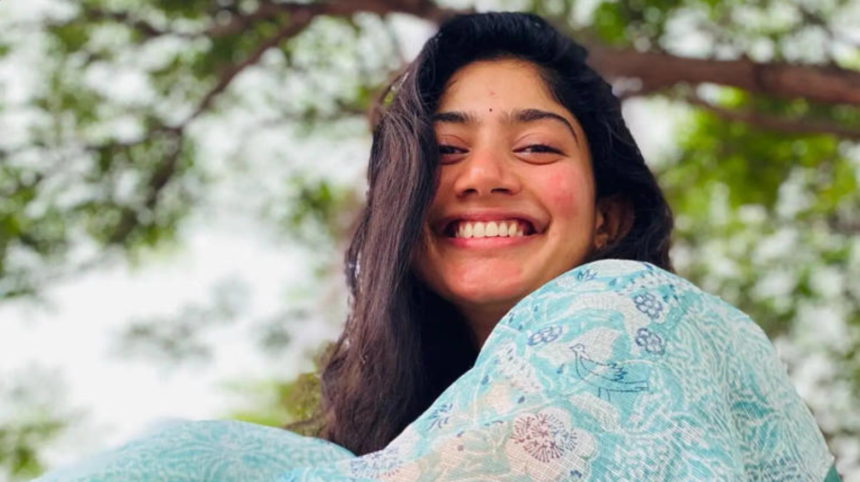
The recently released trailer of Nitesh Tiwari’s Ramayana has generated widespread conversation across social media. While audiences praised the film’s scale, visual effects and star-studded cast, discussions also emerged around the costumes worn by Sai Pallavi, who portrays Goddess Sita, and Lara Dutta, who appears as Queen Kaikeyi.
As online reactions gained momentum, the film’s costume designers Rimple and Harpreet Narulah shared insights into the creative process behind their work, explaining the artistic philosophy that shaped the characters’ appearances.
Designers Respond to Online Criticism
Speaking about the reactions, the designers acknowledged that adapting one of India’s most revered epics naturally invites passionate opinions.
They said they expected audiences to discuss various aspects of the film, including casting, production design and costumes, because the Ramayana holds deep emotional and cultural significance for millions of people.
See more of our coverage in your search results.
Add Hunterfly on GoogleHowever, they also noted that the intensity of some online criticism was greater than they had anticipated.
The Creative Vision for Goddess Sita
Addressing comments surrounding Sai Pallavi’s look as Goddess Sita, designer Rimple Narulah explained that her approach was guided by devotion and artistic interpretation rather than an attempt to recreate historically documented clothing.
According to her, the costume reflects the spiritual image of Goddess Sita that has existed in her imagination for years through traditional paintings, temple art and devotional representations.
The intention, she said, was to create a visual identity that feels emotionally familiar to audiences while fitting the cinematic world of Ramayana.
Kaikeyi’s Costume Was Designed with Symbolism
The designers also responded to discussions about Lara Dutta’s appearance as Queen Kaikeyi, particularly comments comparing her costume to styles seen in earlier television adaptations.
See more of our coverage in your search results.
Add Hunterfly on GoogleHarpreet Narulah explained that every detail—from the colour palette to the silhouette and jewellery—was selected to reflect Kaikeyi’s emotional journey and evolving role within the story.
Rather than focusing solely on historical references, the team sought to communicate character development through visual symbolism.
They encouraged viewers to experience the film before forming final opinions about the costume design.
See more of our coverage in your search results.
Add Hunterfly on GoogleBalancing Tradition and Modern Cinema
Creating costumes for a project as ambitious as Ramayana involves balancing artistic creativity with audience expectations.
The designers emphasised that every costume was developed after extensive research and careful collaboration with the film’s creative team.
Their goal was to honour the spirit of the epic while presenting characters in a way that resonates with contemporary audiences and the scale of modern filmmaking.
A Landmark Indian Film Project
Directed by Nitesh Tiwari, Ramayana is among the most ambitious Indian film projects currently in production.
The cast includes:
- Ranbir Kapoor
- Sai Pallavi
- Yash
- Lara Dutta
- Several other prominent actors
Produced by Prime Focus Studios and Monster Mind Creations, the epic is planned as a two-part cinematic event.
According to the producers:
- Part One is scheduled for Diwali 2026.
- Part Two is expected to release during Diwali 2027.
The project has attracted significant attention for its large-scale production, visual effects and reinterpretation of one of India’s most celebrated epics.
Why the Conversation Matters
Major adaptations of culturally significant stories often generate discussions about authenticity, artistic freedom and audience expectations.
Costume design plays an important role in shaping how iconic characters are perceived, making it one of the most closely examined aspects of mythological cinema.
As anticipation continues to build, the filmmakers hope audiences will evaluate the visual storytelling within the full context of the completed film.