








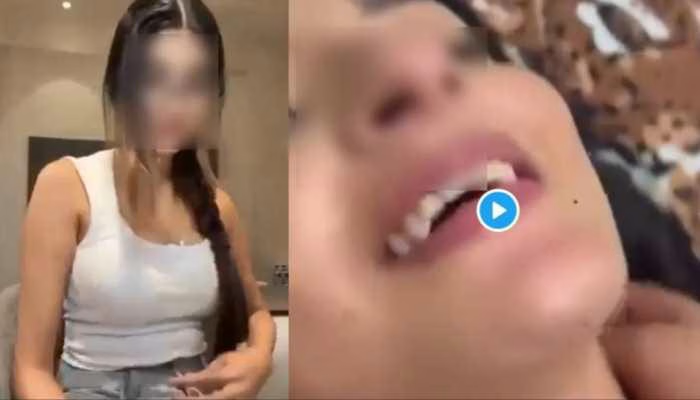
A 19-minute viral MMS clip claiming to feature popular Indian gamer Payal Gaming (real name Payal Dhare) spread rapidly across social platforms in December 2025. The video, widely circulated with “Dubai MMS leak” captions and “Sweet Zannat” tags, was later exposed as an AI-generated deepfake.
The controversy escalated after short teaser clips—ranging from 1:16 to 2:34 minutes—began appearing on Instagram, Telegram, and X. These posts lured users with promises of a “full 19-minute Dubai video,” redirecting traffic to suspicious websites. Cyber observers quickly warned that many of these links led to malware pages rather than any legitimate content.
How the Hoax Spread
The false narrative gained traction by exploiting Payal’s recent Dubai travel posts and her massive online following of over 45 million YouTube subscribers. Misleading thumbnails and clickbait headlines amplified the rumor cycle, demonstrating how quickly manipulated content can spiral in the digital era.
Within 24 hours of the trend peaking, fans and independent fact-checkers began flagging inconsistencies in the visuals. AI-detection tools reportedly identified facial mapping distortions and synthetic layering typical of deepfake technology. No verified source or credible evidence supported claims of an authentic leak.
See more of our coverage in your search results.
Add Hunterfly on Google
Payal Gaming’s Response
After initially remaining silent, Payal addressed the situation, calling the viral clip “deeply hurtful” and urging followers not to share or engage with the content. She clarified that no such video exists and condemned the misuse of AI to target creators.
Her statement shifted public conversation from gossip to accountability, with many supporters rallying online under hashtags like #StandWithPayal.
Wider Concerns: AI Deepfakes and Influencer Harassment
This incident reflects a broader pattern affecting women creators in India and globally. As deepfake tools become more accessible, online personalities are increasingly vulnerable to fabricated scandals designed to damage reputations.
The controversy also unfolded amid stricter enforcement discussions around India’s IT regulations concerning manipulated media and cyber harassment. Experts emphasize that sharing unverified clips—even out of curiosity—can contribute to the spread of harmful misinformation.
Rumors and Online Speculation
Alongside the fabricated video, unverified rumors about Payal’s personal life—including speculation involving a 25-year-old gamer friend—surfaced online. These claims remain unconfirmed and appear to have been amplified purely by the viral controversy.
See more of our coverage in your search results.
Add Hunterfly on GoogleSupporters argue that such speculation underscores the toxic undercurrents within segments of the gaming and influencer ecosystem, where rumors often outpace verified facts.
Payal Gaming Controversy Timeline
Dec 15, 2025 – A 19-minute “Dubai MMS” begins trending on social media.
Dec 16, 2025 – Fans and digital analysts identify the clip as AI-generated.
Following Days – Payal calls the content “deeply hurtful” and confirms no leak exists.
Aftermath – Malware warnings issued; online gossip intensifies before slowing.
FAQs
Q1: Is the Payal Gaming MMS real?
No. The viral clip has been identified as a deepfake created using AI manipulation tools.
See more of our coverage in your search results.
Add Hunterfly on GoogleQ2: What did Payal Gaming say about it?
She described the video as “deeply hurtful” and urged people not to circulate fabricated content.