


There was a time when opening the kitchen cupboard revealed neatly stacked steel containers filled with homemade snacks instead of brightly colored packets. Evening tea was rarely complete without something crunchy, flavorful, and prepared with ingredients already found in the family kitchen.
As convenience foods became increasingly common over the last few decades, many traditional snacks quietly disappeared from everyday routines. Yet these classics continue to hold a special place in Indian households, not only because of their comforting taste but also because many of them were prepared using simple recipes, regional grains, pulses, and spices.
Today, with growing interest in mindful eating and traditional foods, these timeless snacks are making a welcome comeback.
Here are eight nostalgic Indian snacks that generations enjoyed long before packaged chips became a supermarket staple.
See more of our coverage in your search results.
Add Hunterfly on Google1. Roasted Chana – The Everyday Protein Snack
Roasted chickpeas have long been one of India’s simplest and most satisfying snacks. Crunchy, filling, and naturally rich in plant protein and dietary fiber, roasted chana required little more than a pinch of salt and spices.
Many families paired it with jaggery for a wholesome afternoon snack that provided lasting energy without relying on processed ingredients.
2. Murmura Chivda – Light, Crispy and Full of Flavor
Murmura chivda transformed humble puffed rice into a flavorful mixture through a quick tempering of mustard seeds, curry leaves, roasted peanuts, green chilies, and turmeric.
Its light texture made it a favorite during tea breaks, travel, and festive gatherings. Since it could be stored for several days, it was also a practical homemade snack for busy families.
3. Mathri – A Timeless Tea-Time Companion
Popular across North India, mathri has been a household favorite for generations. Made from wheat flour or refined flour and flavored with ajwain or dried fenugreek leaves, these crisp crackers are traditionally prepared in large batches during festivals and family celebrations.
See more of our coverage in your search results.
Add Hunterfly on GoogleServed alongside masala chai or homemade pickle, mathri remains one of India’s most comforting savory snacks.
4. Sattu Masala Drink – A Cooling Traditional Energy Booster
While not a crunchy snack, sattu has always been an important part of India’s traditional food culture.
Prepared from roasted gram flour and mixed with water, lemon juice, roasted cumin, black salt, onions, or fresh herbs, this refreshing drink has long been valued during hot summer months.
See more of our coverage in your search results.
Add Hunterfly on GoogleIts popularity continues to grow as more people rediscover traditional regional foods.
5. Homemade Moong Dal Namkeen
Before ready-made packets became common, many households soaked split yellow moong dal, dried it carefully, and fried or roasted it at home.
Seasoned with simple spices, homemade moong dal namkeen delivered a satisfying crunch while remaining relatively simple in ingredients compared to many modern processed alternatives.
6. Khakhra – Gujarat’s Crispy Classic
Khakhra has earned fans across India thanks to its paper-thin texture and satisfying crispness.
Made primarily from whole wheat flour and roasted slowly on a hot griddle, it offers a delicious option for breakfast, evening snacks, or travel. Modern varieties include flavors like jeera, methi, masala, and even millet-based versions.
7. Masala Peanuts – Small Snack, Big Flavor
Masala peanuts combine roasted or fried peanuts with a light coating of gram flour and aromatic Indian spices.
The result is a crunchy snack that delivers rich flavor while providing protein and healthy fats from peanuts. Many families still prepare them fresh during festivals and rainy evenings.
8. Chakli – The Iconic Festival Favorite
Known by different names across India, chakli remains one of the country’s most recognizable festive snacks.
Prepared using rice flour, lentil flour, sesame seeds, cumin, and spices, the dough is shaped into spirals before frying until crisp. Its distinctive crunch has made it a cherished companion to tea and filter coffee for generations.
Why These Traditional Snacks Continue to Matter
One reason these snacks remain popular is their connection to regional food traditions. Most recipes rely on everyday pantry ingredients instead of artificial flavors or preservatives.
Many also incorporate spices such as cumin, ajwain, turmeric, black pepper, and asafoetida, which have been used in Indian cooking for generations because of their distinctive flavor and traditional culinary value.
Preparing these snacks at home also allows families to adjust salt, oil, and spice levels according to personal preference.
Traditional Flavors Are Finding New Fans
Across India, younger consumers are increasingly exploring homemade recipes, regional ingredients, and traditional cooking methods. Local food entrepreneurs are also reviving classic snacks with whole grains, millet flour, cold-pressed oils, and small-batch preparation techniques.
This renewed appreciation reflects a broader interest in preserving India’s culinary heritage while embracing balanced eating habits.
The Bottom Line
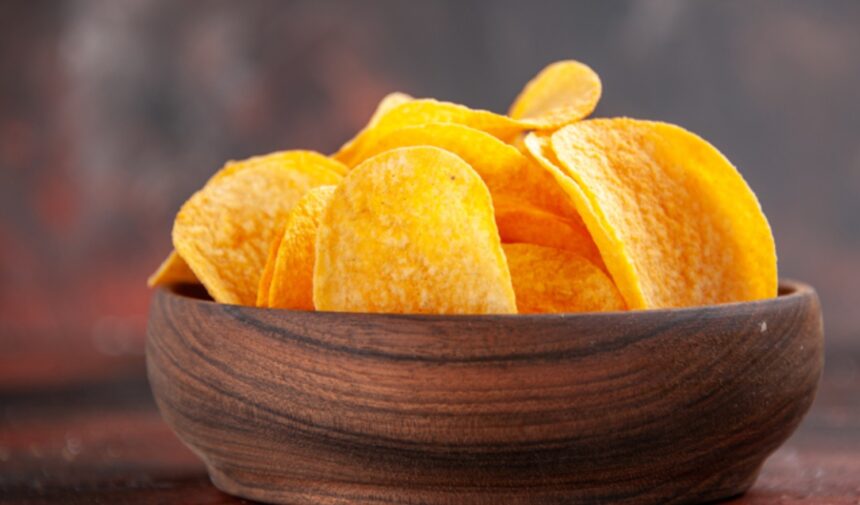
Packaged chips may offer convenience, but India’s traditional snacks tell stories that stretch across generations. Whether it’s a handful of roasted chana, a bowl of murmura chivda, or freshly made chakli during the festive season, these familiar flavors continue to remind many people of family kitchens, evening conversations, and recipes passed down through time.
Rediscovering these classics is not simply about nostalgia—it is about celebrating India’s diverse food traditions and keeping timeless recipes alive for future generations.
Why This Story Matters
Traditional Indian snacks represent more than convenience or taste. They reflect regional agriculture, family recipes, and culinary practices that have been preserved for decades. As interest grows in heritage foods and home cooking, these classic snacks continue to demonstrate how simple ingredients can create memorable flavors while preserving India’s rich food culture.