







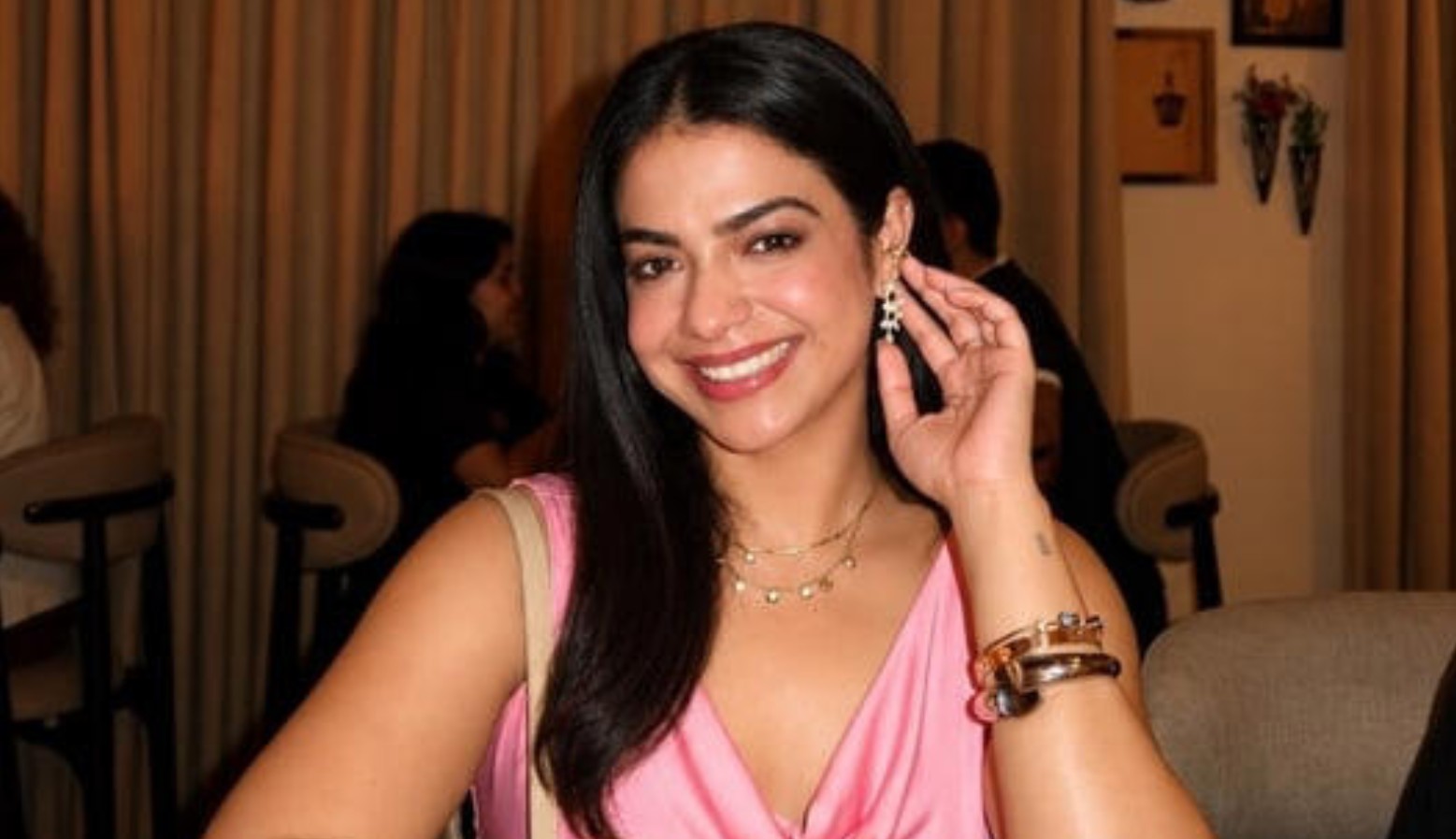
An Indian content creator has sparked a conversation about petite-friendly fashion, clothing proportions and the accessibility of homegrown labels after explaining why she often chooses international brands such as Zara and H&M.
Nishtha G Malik, in a recent Instagram video, described her opinion as an “unpopular opinion” and argued that some Indian clothing brands do not offer enough options for women with shorter frames.
Her comments focused particularly on women around 5’3″ and below, whom she said can struggle with garment lengths and silhouettes designed around more covered or conventional proportions.
Malik said she would like to see more clothing that works with shorter frames rather than requiring petite shoppers to alter standard designs.
See more of our coverage in your search results.
Add Hunterfly on GoogleNishtha G Malik Questions Petite-Friendly Options From Indian Brands
In the video, Malik directly questioned why some homegrown labels do not provide more choices for women who prefer shorter skirts and dresses or tops with less coverage.
She argued that clothing designed with longer lengths and more coverage does not always suit petite proportions.
Her criticism was not directed at every Indian label, but at what she sees as a gap in available styles for a particular section of shoppers.
The content creator said that women with shorter or broader proportions can find it difficult to achieve the silhouette they want when many garments are designed around more modest cuts.
‘We Disappear’ in Some Styles, Malik Says
Malik described the effect in strongly visual terms, saying petite women can appear “weirdly stunted” or seem to “disappear” when clothing does not account for their proportions.
See more of our coverage in your search results.
Add Hunterfly on GoogleShe said she would prefer designs that allow shoppers to highlight features such as the neck and waist, rather than having them concealed by overly long or fully covered silhouettes.
In her view, the issue is not simply about showing more skin. It is about creating proportions that work better for shorter body frames.
Her comments have opened up a wider discussion about how clothing brands develop size charts and garment dimensions for different body shapes and heights.
See more of our coverage in your search results.
Add Hunterfly on GoogleWhy She Chooses Zara, H&M and Bershka
Malik said she often turns to international high-street brands including Zara, H&M and Bershka because she finds their silhouettes more suitable for her preferences.
She acknowledged that she would like to support Indian businesses and the broader “Make in India” ecosystem, but said fit and design remain important factors when deciding what to buy.
For petite shoppers, even relatively small differences in hem length, rise, sleeve length or neckline placement can change how a garment looks.
That makes garment proportion an important part of the shopping experience, particularly for customers who fall outside the standard dimensions used for mass-market designs.
The Debate Goes Beyond Clothing Length
Malik’s video quickly developed into a broader discussion about the shopping experience offered by Indian fashion labels.
Some viewers agreed with her concerns about fit and design, while others used the comments section to raise different issues they had experienced when buying from smaller or independent brands.
Several commenters mentioned customer service, logistics, returns and refunds as additional pain points.
One person complained about having to follow up with a brand for months, while another said refund processes could involve repeated communication and, in some cases, store credit rather than a straightforward refund.
These comments represent individual shopping experiences rather than evidence that all Indian homegrown brands operate in the same way.
Price Became Another Point of Discussion
Affordability was another recurring theme in the reactions to Malik’s video.
Some viewers said they wanted to support Indian small businesses but found certain products too expensive for their budgets.
One commenter effectively summed up that tension by saying they understood the desire to support smaller ethical businesses but simply could not afford some of the prices.
The response highlights a broader issue in contemporary fashion: consumers may want to support local labels while simultaneously prioritising affordability, fit, convenience and transparent return policies.
The Petite Fashion Gap
The discussion also raises a practical question for fashion companies: How well do standard clothing patterns account for different heights and body proportions?
Being petite is not simply a matter of reducing every measurement proportionally. Shorter customers can have different relationships between torso length, leg length, shoulder width and waist placement.
As a result, a garment that fits correctly around the chest or waist may still have sleeves, hems or proportions that feel too long.
Brands that specifically design petite collections attempt to address some of these differences through altered measurements rather than relying entirely on standard-size grading.
Homegrown Labels Face Diverse Consumer Expectations
Indian fashion brands operate across an enormous range of aesthetics, price points and customer groups.
Some specialise in traditional and modest silhouettes, while others focus on contemporary western wear, occasion dressing or experimental designs. Consequently, the concerns raised by one shopper may not apply equally across the entire market.
Malik’s criticism nevertheless touches on an important business question: whether brands are sufficiently studying the needs of customers who do not fit a single standard body proportion.
For labels targeting younger urban consumers, offering more varied lengths and silhouettes can potentially broaden their appeal.
The ‘Make in India’ Dilemma for Shoppers
Malik’s comments also highlight the complicated choices faced by consumers who want to buy from Indian businesses.
Supporting homegrown brands can be an intentional purchasing decision, but customers may still prioritise factors such as fit, price, availability and return convenience.
When shoppers cannot find suitable proportions locally, international brands can become an easier option even when consumers would otherwise prefer domestic alternatives.
That tension between supporting local businesses and finding clothing that fits individual needs sits at the centre of the debate sparked by Malik’s video.
What the Viral Fashion Discussion Shows
The conversation surrounding Malik’s post is ultimately larger than one creator’s wardrobe preferences.
It brings together several issues that frequently shape online fashion discussions: body proportions, inclusive sizing, garment construction, pricing, customer service and the growing expectations consumers have from brands.
The discussion also illustrates how social media can turn an individual shopping frustration into a broader conversation involving both consumers and businesses.
Nishtha G Malik’s Fashion Debate: Key Details
Content creator: Nishtha G Malik
Platform: Instagram
Main issue: Petite-friendly clothing options
Height group discussed: Women around 5’3″ and below
International brands mentioned: Zara, H&M and Bershka
Other concerns raised by commenters: Logistics, returns, refunds, store credit and pricing
Broader topic: Fit, affordability and accessibility in fashion
Final Word
Nishtha G Malik’s comments have sparked a wider conversation about whether Indian fashion brands offer enough choices for petite shoppers and women seeking specific silhouettes.
Her preference for Zara, H&M and Bershka, she says, comes primarily from how certain designs work with her preferred proportions. While she also expressed a desire to support Indian labels, she argued that fit and styling options remain important considerations.
The reactions to her video expanded the discussion into pricing, logistics and return policies, showing that consumers often evaluate fashion brands on much more than appearance alone.
The debate ultimately points to a broader demand for clothing that accommodates a wider variety of body proportions while remaining accessible in terms of price and shopping experience.