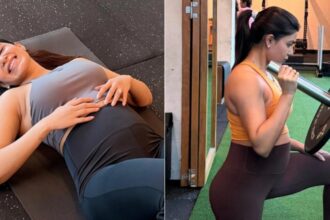






Staying active during the final weeks of pregnancy can support physical comfort and overall wellbeing. However, walking, prenatal yoga, strength training and squats should be approached according to individual health conditions, exercise experience and medical advice.
Reaching the ninth month of pregnancy can bring a mixture of excitement, physical discomfort and questions about preparing for childbirth. For women who have remained active throughout pregnancy, one common concern is whether they can safely continue exercising as their due date approaches.
While gentle physical activity is generally beneficial during an uncomplicated pregnancy, the final weeks require particular attention to balance, comfort, fatigue and any medical complications.
Exercises such as walking, supported stretching and prenatal yoga may remain suitable for many expectant mothers. Resistance training, including squats, can also be appropriate for some women who are already familiar with these movements and have received medical clearance.
However, an exercise that feels comfortable for one pregnant woman may be unsuitable for another.
Is exercising during the ninth month of pregnancy safe?
For many women with uncomplicated pregnancies, physical activity can continue during the final weeks before delivery, provided their maternity care professional has not advised restrictions.
The goal at this stage is generally to maintain mobility, physical function and comfort rather than pursue weight loss or achieve new fitness milestones.
In comments reported by Hunterfly, Dr Surabhi Siddhartha, Consultant Obstetrician and Gynaecologist at Motherhood Hospital, Kharghar, Navi Mumbai, emphasised that the ninth month should not be treated as a period for demanding exercise or weight-loss efforts.
“The 9th month is not the time for heavy exercise or weight loss. The goal is to stay active, flexible, and prepare your body for labour,” she explained.
How much activity is appropriate depends on a woman’s medical history, existing fitness level, pregnancy-related symptoms and the advice of her healthcare team.
Women with complications or specific medical restrictions may need to modify or avoid certain activities.
Five exercise and safety considerations during the ninth month
1. Start with gentle walking
Walking is one of the more accessible activities for women who have been cleared to exercise during pregnancy.
Dr Siddhartha suggested that some women may consider 15 to 20 minutes of slow, comfortable walking, depending on their condition and tolerance.
Walking on a level surface and wearing supportive footwear may help reduce the risk of slipping or losing balance.
The pace should allow comfortable conversation rather than leave the person struggling for breath.
There is no requirement to complete a particular distance or duration when experiencing discomfort. Shorter sessions or rest breaks may be more appropriate.
2. Consider gentle stretching and pelvic movements
Pregnancy can place additional demands on the back, hips and surrounding muscles as the body adapts to a growing uterus.
Gentle movements may help some women manage stiffness and remain mobile.
Examples include carefully performed pelvic tilts, ankle rotations and modified cat-cow movements.
Pelvic floor exercises may also be helpful for some pregnant women, although correct technique and individual suitability are important.
These movements should not cause pain, dizziness or unusual pressure.
Women experiencing pelvic girdle pain or other musculoskeletal problems may benefit from personalised guidance from a pregnancy-trained physiotherapist.
3. Try pregnancy-appropriate yoga and breathing exercises
Prenatal yoga can offer a combination of light movement, breathing exercises and relaxation.
Some expectant mothers find these activities useful for managing stress and maintaining a sense of calm as childbirth approaches.
However, not every yoga posture is suitable during advanced pregnancy.
Deep twists, positions that compress the abdomen, prolonged lying flat on the back and movements that create balance difficulties may need to be avoided or modified.
Supported positions and guidance from a qualified prenatal instructor can help make sessions more comfortable.
Breathing and relaxation practices can complement routine maternity care, but they should not be presented as substitutes for medical pain relief or treatment.
4. Understand when squats and resistance exercises may be appropriate
Squats are frequently included in strength-training programmes because they involve major muscles of the lower body.
During pregnancy, however, their suitability depends on individual circumstances.
Women who performed squats before pregnancy may be able to continue modified versions if their healthcare professional considers the activity appropriate.
A supported bodyweight squat, for example, may be more manageable than a heavily loaded movement.
Additional resistance, including dumbbells, should not be introduced simply because a similar exercise appears in a celebrity workout or social media video.
As pregnancy progresses, changes in balance, joint comfort and fatigue can affect how an exercise feels.
There is no universal rule requiring every pregnant woman to stop squatting in the ninth month. Equally, squats are not necessary for every expectant mother.
The safest choice is an individually appropriate routine rather than a workout copied from someone else.
5. Avoid activities with substantial injury or fall risks
The final weeks of pregnancy are not an ideal time to experiment with unfamiliar or physically demanding exercise routines.
Activities involving a high risk of falling, collision or abdominal injury should be avoided.
Heavy lifting that requires straining, uncontrolled movements and exercises that provoke pain or significant breathlessness may also be unsuitable.
Some women with uncomplicated pregnancies and established exercise routines may safely continue certain activities that others cannot. Restrictions should therefore be based on medical considerations rather than assumptions that every pregnancy is identical.
When should pregnant women stop exercising immediately?
Recognising warning signs is as important as choosing appropriate activities.
Dr Siddhartha advised pregnant women to stop exercising if they experience concerning symptoms, including vaginal bleeding, leaking fluid, severe headache, chest pain or reduced fetal movements.
Other concerning symptoms can include faintness, significant breathing difficulty, painful regular contractions or severe abdominal pain.
These symptoms should not be dismissed as ordinary exercise discomfort.
If vaginal bleeding, suspected water breaking, reduced fetal movements, chest pain or other serious symptoms occur, stop exercising and seek immediate advice or assessment from a maternity care service. Emergency symptoms may require urgent medical attention.
Women should not delay seeking help in the hope that symptoms will resolve after resting.
How much exercise is recommended in late pregnancy?
General physical activity guidelines commonly recommend that women with uncomplicated pregnancies aim for around 150 minutes of moderate-intensity aerobic activity per week, when medically appropriate.
However, that figure is a general recommendation rather than a target that every woman must meet during the ninth month.
Someone who has been active throughout pregnancy may tolerate a different amount of movement from a woman who is beginning exercise for the first time.
The duration, type and intensity of activity should be adjusted to personal circumstances.
For some women, several brief sessions may feel more manageable than a longer workout.
Importantly, the final weeks of pregnancy are not the time to begin an aggressive fitness programme or force the body to reach an exercise target.
Why copying pregnancy workouts from social media can be risky
Fitness videos may make complicated movements appear effortless, particularly when they feature experienced performers or fitness enthusiasts.
However, viewers cannot determine someone’s complete medical history, pregnancy risk profile or professional guidance simply by watching a short clip.
A pregnant woman performing goblet squats with a dumbbell may have years of strength-training experience and a carefully modified routine.
Another person at the same stage of pregnancy may require a completely different approach.
The weight lifted, number of repetitions and movements shown in a video should never be treated as universal recommendations.
Women considering resistance training during pregnancy should seek guidance from their obstetrician or another appropriately qualified healthcare professional, particularly if they have complications or are unfamiliar with the exercise.
What matters most during the final weeks before delivery?
The ninth month of pregnancy is a period of preparation, and physical activity is only one part of maintaining wellbeing.
Adequate rest, hydration, balanced meals and regular antenatal appointments remain important.
Some women may feel comfortable walking or stretching regularly, while others may experience fatigue, sleep disruption, back discomfort or other symptoms that limit activity.
Neither situation should be treated as a competition.
The aim is to support comfort and health while respecting the changing demands of pregnancy.
For women who are medically cleared to exercise, gentle movement can remain part of that approach. For those advised to restrict activity, following their healthcare team’s recommendations takes priority.