



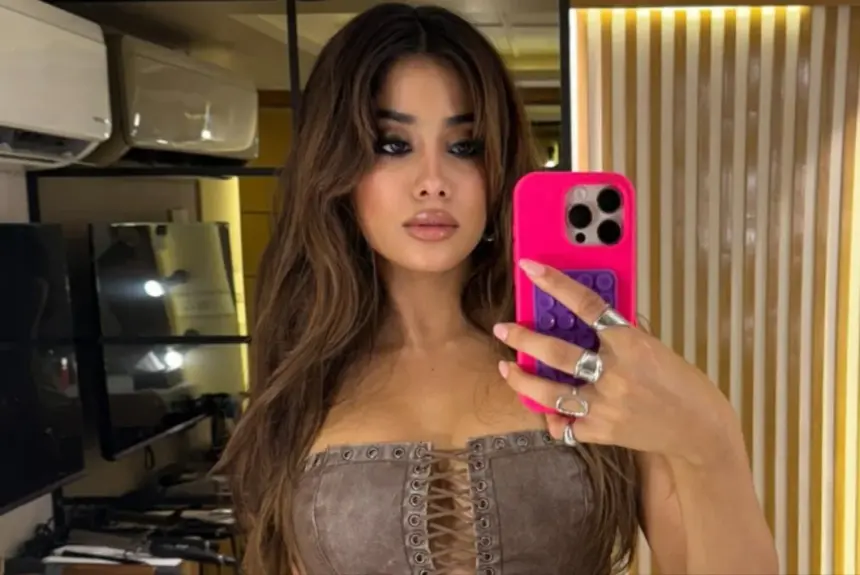
A paparazzo has claimed that Janhvi Kapoor held a private meeting with photographers and requested a break from routine gym spotting. He also addressed the controversy surrounding inappropriate camera angles and said social media editors sometimes select and publish footage in ways that celebrities find objectionable.
Bollywood actress Janhvi Kapoor reportedly requested paparazzi photographers to stop regularly capturing her outside the gym after becoming concerned about the unwanted attention and inappropriate comments directed at her on social media.
The claim emerged during a conversation between a paparazzo and interviewer Siddharth Kannan, in which the photographer discussed celebrity spotting, online criticism and the relationship between actors and the paparazzi.
According to the photographer, Janhvi arranged a private meeting with members of the paparazzi community and explained why she wanted fewer photographs of her everyday activities.
He said the actress was particularly concerned about the constant circulation of gym photographs and the offensive comments that sometimes appeared beneath them.
The conversation also touched on how paparazzi videos are edited for Instagram, why certain camera angles attract criticism and how Sara Ali Khan has handled similar attention.
Why Janhvi Kapoor Wanted Paparazzi to Stop Clicking Her Gym Looks
According to the paparazzo, Janhvi believed that repeated photographs of actors leaving gyms had become excessive.
He recalled her explaining that audiences already see celebrities frequently on social media and that actors also need to maintain a connection with viewers through their films.
The photographer said Janhvi asked them to temporarily reduce routine gym spotting because of the unpleasant comments appearing under such posts.
Her request, as described in the interview, was not a demand for photographers to avoid her permanently.
Instead, she reportedly wanted a break from the daily cycle of gym photographs being shared online.
The photographer characterised the meeting as respectful and said Janhvi explained her concerns directly rather than confronting the photographers in public.
Paparazzo Says Janhvi Kapoor Never Called Photographers for Routine Spotting
The interview also addressed a common allegation about celebrity photography: that actors invite paparazzi to photograph them and then pretend to be surprised by their presence.
The photographer rejected that suggestion in Janhvi’s case.
He claimed that she did not arrange routine paparazzi appearances and described her as someone who had consistently treated photographers courteously.
Recalling earlier encounters, he said Janhvi would often ask photographers how they were doing when she met them outside production offices or other locations.
He also described occasions when the actress invited photographers to participate in birthday celebrations and provided opportunities for photographs.
According to him, those interactions reflected a friendly professional relationship rather than evidence that every public sighting was staged.
His comments represent his personal experience and should not be taken as independent verification of every paparazzi encounter involving the actress.
Janhvi Kapoor’s Concerns About Inappropriate Camera Angles
Beyond the frequency of celebrity spotting, the interview raised a more serious issue: the way photographs and videos of female actors are sometimes framed and circulated online.
Janhvi has previously criticised camera angles that focus unnecessarily on women’s bodies.
She has also questioned why female performers appear to face a different kind of visual scrutiny from their male colleagues.
The paparazzo acknowledged the controversy but drew a distinction between photographers recording footage on location and social media teams deciding which portions to publish.
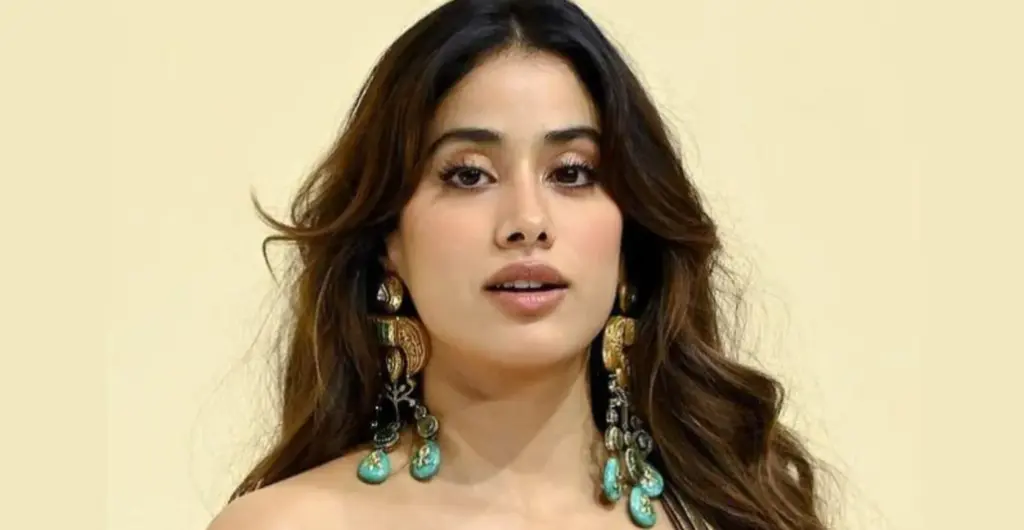
According to his account, photographers may capture a continuous sequence as a celebrity leaves a building and enters a vehicle.
He alleged that editors working on social media pages sometimes select particular frames or angles to attract attention.
That explanation highlights one part of the content-production process, although it does not establish that photographers are never responsible for inappropriate framing.
Responsibility for respectful coverage can involve the person filming, the editor selecting the footage and the platform or publisher distributing it.
Photographer Criticises Social Media Pages for Using Objectionable Footage
The paparazzo claimed that certain entertainment pages deliberately publish objectionable clips to increase engagement.
He said he personally opposed such practices and had, on occasion, asked fellow photographers to remove videos that he considered inappropriate.
The photographer also rejected the idea that such content should be accepted as a routine part of celebrity coverage.
His remarks come amid broader public discussion about the treatment of women in entertainment media and the difference between legitimate celebrity reporting and intrusive visual content.
Photographs of actors attending professional events, promoting films or interacting with fans can serve an entertainment-news purpose.
Repeatedly highlighting intimate body angles, however, raises questions about consent, dignity and the editorial decisions made to maximise social media views.
Did Janhvi Kapoor Discuss Her Mental Health During the Meeting?
During the interview, the photographer was asked whether Janhvi had spoken about the psychological impact of online comments and intrusive videos.
He said she had not specifically discussed her mental health during their meeting.
He nevertheless expressed the view that such attention could affect anyone.
That distinction matters because the interview does not provide a direct statement from Janhvi about her mental health.
Her reported request to reduce gym spotting can be described as a response to unwanted attention, but it should not be presented as evidence of a medical or psychological condition.
Sara Ali Khan Also Wanted Less Everyday Paparazzi Attention
The photographer also discussed his experiences with actress Sara Ali Khan.
According to him, Sara had similarly felt that constant paparazzi coverage of routine activities was becoming excessive.
Rather than imposing a strict prohibition on photographs, she reportedly developed an informal understanding with photographers that reduced everyday spotting.
He said she continued to cooperate with photographers on selected occasions, including professional meetings and birthday celebrations.
The arrangement, as he described it, allowed Sara to maintain a cordial relationship with the paparazzi while exercising greater control over how frequently her daily activities were documented.
Sara Ali Khan’s Chikankari Kurtas and Namaste Gesture
The conversation also revisited Sara Ali Khan’s early public appearances, when she became known for wearing chikankari kurtas and greeting photographers with a traditional namaste.
Asked whether those habits had been carefully planned for publicity, the paparazzo said they reflected her usual behaviour.
He recalled seeing Sara wear similar outfits after meetings related to her debut film Kedarnath and during everyday outings.
He also said her habit of greeting people with namaste had remained consistent over the years.
The photographer’s account offers his perspective on Sara’s public interactions, although it cannot independently establish her intentions on every occasion.
The Debate Over Celebrity Privacy and Paparazzi Culture
The comments about Janhvi Kapoor and Sara Ali Khan highlight an ongoing debate in entertainment journalism.
Celebrities often depend on public visibility to promote their work, while photographers and entertainment publishers operate in an industry where audience interest can translate into advertising revenue and social media engagement.
However, public recognition does not eliminate an individual’s interest in personal boundaries.
Routine activities such as attending the gym, visiting friends or travelling between meetings are different from organised film promotions and public appearances.
The growing speed of social media distribution has also changed how celebrity photographs are consumed.
A brief encounter outside a building can quickly become a widely circulated video, accompanied by commentary that the person being filmed did not invite or control.
The controversy therefore extends beyond the relationship between one actress and a group of photographers.
It raises broader questions about how entertainment content is selected, edited and presented to audiences.
Why Editorial Responsibility Matters
The photographer’s account suggests that the final published video may not always reflect the intention of the person who recorded it.
Even so, the distinction between filming and editing should not become a way to avoid accountability.
Responsible celebrity coverage requires appropriate decisions at every stage, from recording and framing to captioning, editing and distribution.
Avoiding unnecessarily intrusive angles, misleading thumbnails and sexualised descriptions can help preserve the news value of celebrity reporting without reducing individuals to objects of online attention.
For actors such as Janhvi Kapoor and Sara Ali Khan, the issue is not necessarily about rejecting media attention altogether.
It is about whether everyday visibility can coexist with respect for personal boundaries.
The paparazzo’s interview provides one account of how those boundaries are being negotiated within Bollywood’s celebrity-photography culture.