







Despite tackling sensitive issues like child abuse, trauma and women’s empowerment, Jana Nayagan often relies on simplistic solutions that weaken its social message.
Spoiler Warning: This article contains major plot details from Jana Nayagan.
Tamil cinema has increasingly explored socially relevant themes in recent years, and Jana Nayagan joins that trend by addressing child abuse, trauma and women’s empowerment. While the film deserves recognition for attempting to bring these conversations into mainstream entertainment, its treatment of these complex issues has sparked debate among viewers and critics.
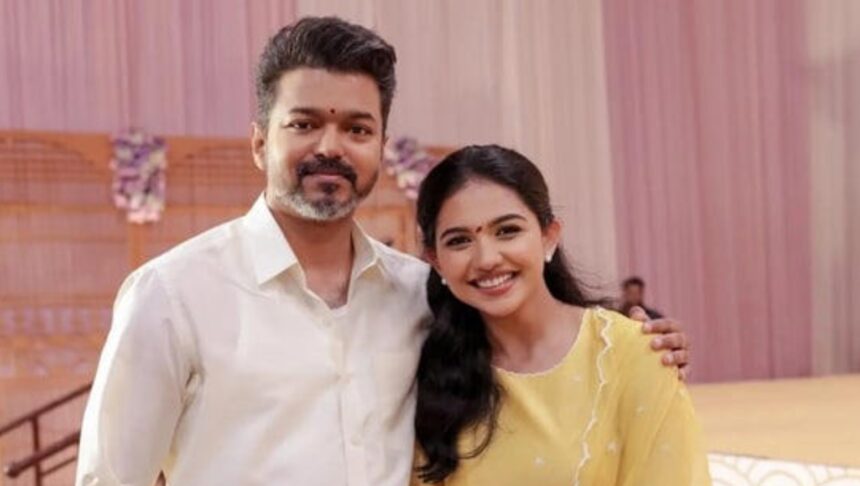
Led by Vijay and Mamitha Baiju, the film presents emotional moments and strong performances but raises questions about whether it truly gives its female lead meaningful agency.
See more of our coverage in your search results.
Add Hunterfly on GoogleMamitha Baiju’s Viji deserves a stronger voice
At the heart of the story is Viji (Mamitha Baiju), a young woman raised by Vetri Kondan (Vijay). Haunted by childhood trauma after witnessing the loss of a loved one, she struggles with fear and emotional scars throughout much of the film.
Instead of exploring her healing journey through emotional support, therapy or personal choice, the narrative largely frames physical strength as the answer to her struggles.
Vetri believes joining the army will help Viji become stronger and independent. Although his intentions are portrayed as protective, much of the decision-making comes from him rather than Viji herself.
The film does include moments where Viji questions whether she is suited for such a path. However, her concerns receive limited exploration before the story moves toward its predetermined conclusion.
By the climax, Viji embraces the role envisioned for her, but the transformation arrives quickly, leaving little room to examine the psychological recovery that would realistically accompany deep trauma.
See more of our coverage in your search results.
Add Hunterfly on GoogleChild abuse is addressed—but with limited depth
One of the film’s most talked-about sequences involves a discussion around child abuse and awareness of inappropriate behaviour.
The intention behind including such a scene is significant. Conversations about child safety remain essential, particularly in mainstream cinema that reaches large family audiences.
However, the film’s messaging has drawn criticism for placing greater emphasis on how girls should become stronger rather than focusing equally on preventing abuse by holding perpetrators accountable.
See more of our coverage in your search results.
Add Hunterfly on GoogleWhile awareness about personal safety is valuable, many viewers argue that conversations around child protection are most effective when they also stress:
- Education for parents and guardians.
- Responsibility among all caregivers, including fathers.
- Accountability for offenders.
- Safe reporting mechanisms for children.
- Mental health support for survivors.
The film briefly raises these important issues but moves on before exploring them in greater detail.
Empowerment requires agency
A recurring theme throughout Jana Nayagan is female empowerment.
Yet empowerment is not only about physical resilience—it also includes the freedom to make one’s own choices.
Many of the major decisions in Viji’s life are shaped by those around her, particularly her adoptive father. While his care and concern are central to the story, the narrative leaves limited space for Viji to define success on her own terms.
This creates a contrast between the film’s message and the journey experienced by its protagonist.
Vijay delivers emotional conviction
Vijay brings sincerity and emotional weight to Vetri Kondan, portraying a father figure determined to prepare his daughter for an uncertain future.
His performance adds emotional credibility to several key moments, particularly scenes centred on protection, sacrifice and responsibility.
Mamitha Baiju also delivers a committed performance, effectively portraying vulnerability and determination despite the screenplay giving her limited opportunities to shape the story independently.
A conversation worth continuing
Despite its shortcomings, Jana Nayagan contributes to broader conversations about trauma, parenting and women’s safety.
Films that introduce these subjects to mainstream audiences can encourage important discussions beyond the theatre. At the same time, audiences increasingly expect nuanced portrayals that reflect the complexity of mental health, recovery and empowerment.
As Indian cinema continues evolving, stories tackling sensitive social issues may benefit from giving survivors greater agency while presenting healing as a multifaceted process rather than a single transformative moment.
IndyaStory Verdict
Jana Nayagan deserves credit for attempting to spotlight child safety and women’s empowerment, but its storytelling often simplifies deeply complex realities. Strong performances from Vijay and Mamitha Baiju keep the emotional core intact, though the film’s social messaging leaves room for more balanced and nuanced exploration.