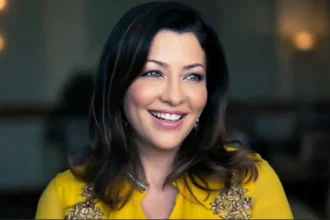








Gulki Joshi reflects on the meaning of freedom, the importance of portraying women as individuals and the lessons she carried from playing Haseena Malik in Maddam Sir.
On India’s Independence Day, actress Gulki Joshi opened up about what freedom means to her and why individuality is particularly important for women. In an exclusive conversation, the actor spoke about making independent choices, accepting responsibility and the role television can play in shaping how women are represented on screen.
For Gulki, freedom goes beyond simply having the ability to make decisions. She believes it also involves having the confidence to remain true to oneself without being constantly influenced by public opinion.
“For me, freedom is the ability to be completely yourself without constantly worrying about how you will be perceived. It’s having the courage to make your own choices, take responsibility for them and also have the freedom to change your mind,” she said.
Gulki Joshi on what freedom means for women
Gulki believes the idea of freedom takes on another dimension for women, particularly when society often creates expectations around how they should live, work and define success.
See more of our coverage in your search results.
Add Hunterfly on GoogleAccording to the actor, women should have the freedom to establish their own ambitions instead of measuring their lives against definitions created by others.
“As a woman, I think freedom is also about being able to define your own life and your own success, rather than fitting into a definition that society has created for you,” she said.
Her comments highlight a broader conversation about representation and individuality, particularly in television, where characters can become part of viewers’ everyday lives.
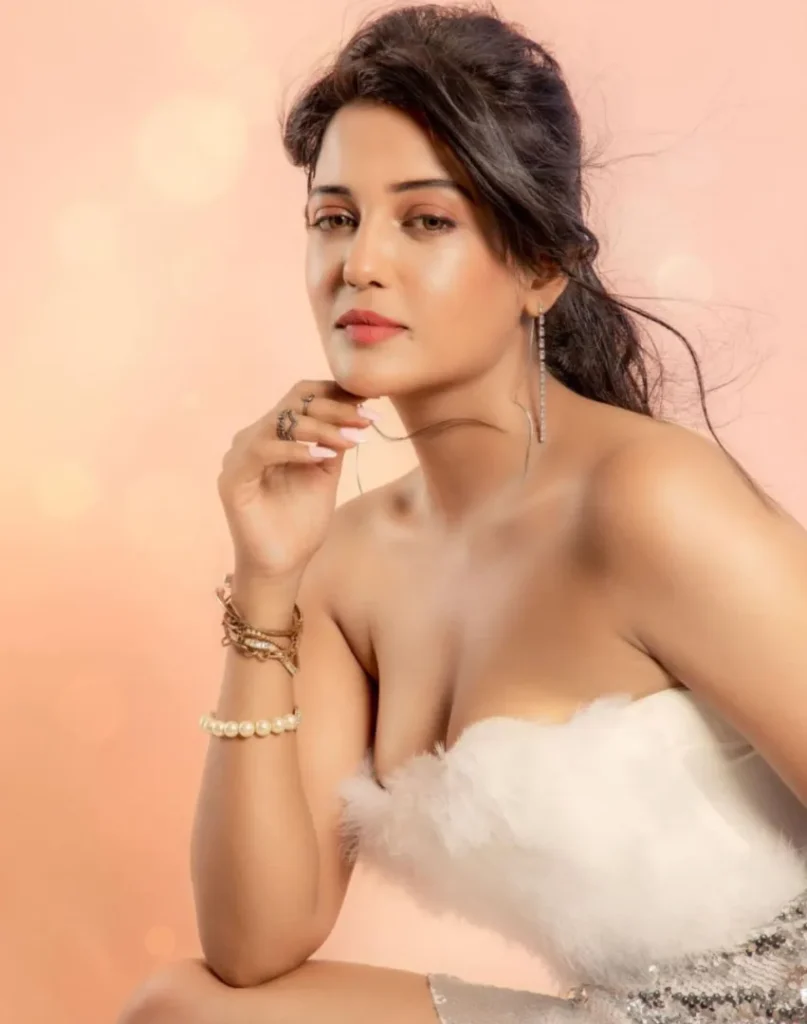
Television should show women beyond family roles
Gulki has played several memorable female characters during her television career, with Haseena Malik from Maddam Sir remaining among her most recognisable roles.
Discussing women’s representation on television, she said there is nothing inherently wrong with depicting women as daughters, wives or mothers. The concern, she explained, arises when those relationships become the entirety of a character’s identity.
“Television has a huge influence because it becomes a part of people’s everyday lives. I don’t think there is anything wrong with portraying women as daughters, wives or mothers, they can be all of those things, but they should also be individuals with their own ambitions, opinions, flaws and identities,” she said.
For Gulki, well-rounded female characters are those who exist beyond their relationships with other people.
See more of our coverage in your search results.
Add Hunterfly on GoogleWhat Haseena Malik taught Gulki Joshi about strength
Looking back at her time as Haseena Malik, Gulki said the character’s strength came from having a clear sense of identity while remaining compassionate and committed to her responsibilities.
Haseena was not defined solely by her professional duties or relationships. Gulki believes that complexity helped audiences connect with the character.
“Haseena was someone who had a strong sense of duty and compassion, but she was also very much her own person. I think audiences connect with women who are allowed to be complete human beings, rather than being defined only by their relationships,” she said.
That understanding of Haseena also connects with Gulki’s broader view of freedom: individuality does not require a person to reject responsibility or relationships. Instead, it allows people to maintain a sense of self while navigating them.
See more of our coverage in your search results.
Add Hunterfly on Google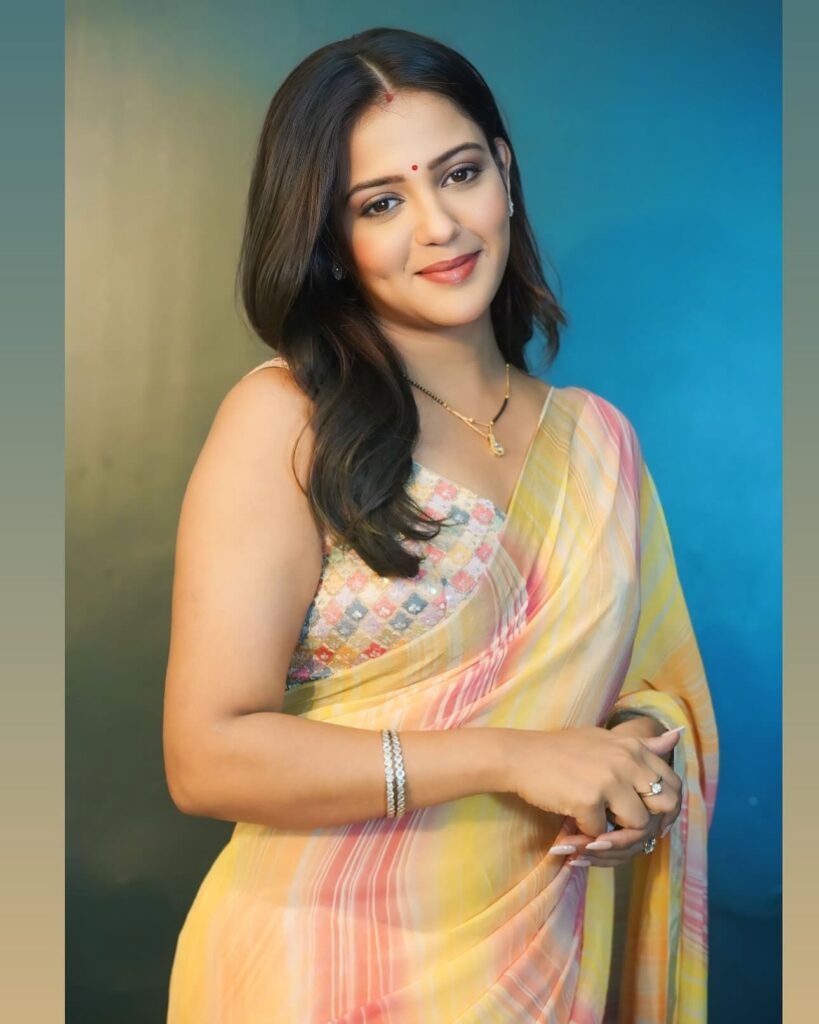
Gulki Joshi’s Independence Day message
Gulki’s reflections arrive on a day when conversations around independence naturally extend beyond the historical meaning of India’s freedom. Her comments place emphasis on a more personal form of independence—the ability to make choices, accept their consequences and change direction when necessary.
For women in particular, she believes that freedom should include the right to determine what success means to them.