







In a cinematic climate where war films often function as megaphones for rage, chest-thumping patriotism and political messaging, Sriram Raghavan’s Ikkis arrives like a whisper — and that is its power.
This is not a film that wants to provoke applause.
It wants to provoke thought.
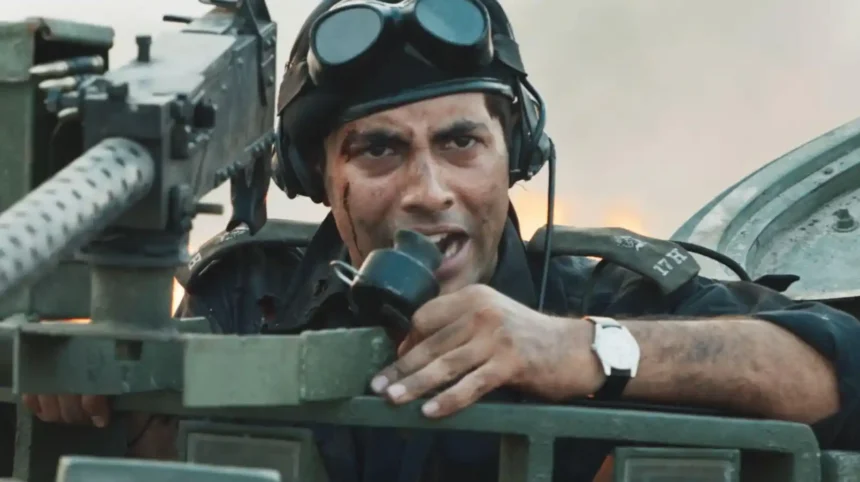
Inspired by the life and sacrifice of Second Lieutenant Arun Khetarpal, India’s youngest Param Vir Chakra recipient who died in the 1971 war, Ikkis avoids the easy route of turning heroism into spectacle. Instead, it treats courage as something deeply personal, intimate and tragic.
A Film That Refuses to Shout
Where many contemporary war films demand emotional obedience, Ikkis invites emotional reflection.
See more of our coverage in your search results.
Add Hunterfly on GoogleThe narrative unfolds across two timelines:
- Young Arun’s idealistic journey through the National Defence Academy toward the 1971 battlefield.
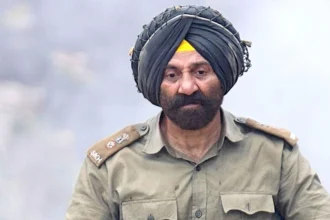
- His father, Brigadier M.L. Khetarpal, visiting Lahore in 2001 during fragile peace talks — where he meets the very man who killed his son.
This structure allows the film to explore both the romanticism of war and its long-lasting wounds. The boy dreams of glory. The men live with consequences.
Performances Rooted in Restraint
Agastya Nanda portrays Arun with restrained sincerity — earnest, disciplined and hopeful. His performance never overwhelms the story; it supports it.
But the emotional gravity rests on Dharmendra and Jaideep Ahlawat. Their scenes together, as grieving father and burdened soldier, are carried not by dialogue but by what remains unspoken. Their shared silences contain more meaning than entire speeches in louder films.
Ahlawat’s character, Nisar, preparing to confess that he killed Arun, becomes the film’s moral anchor — a reminder that even enemies are human long after the guns fall silent.
See more of our coverage in your search results.
Add Hunterfly on GoogleWar Without Romance
Raghavan’s greatest achievement is his refusal to convert sacrifice into recruitment propaganda.
The screenplay repeatedly reminds us:
War does not produce winners.
It produces survivors — and the dead.
See more of our coverage in your search results.
Add Hunterfly on GoogleThrough simple, devastating moments — censored letters, nervous young soldiers, quiet regrets — Ikkis argues that true patriotism is not blind fury, but moral responsibility.
Courage Without Noise
The climax resists triumphalism.
There is no grand declaration, no swelling anthem.
Instead, two aging officers wonder whether war will ever end.
“It will end when we decide to end it.”
That single line carries more power than an entire genre’s worth of slogans.
Why Ikkis Matters in 2026
In an age of easy outrage and algorithm-driven anger, Ikkis is almost rebellious in its calm. It trusts the audience to think. It respects history without exploiting it. And it believes that cinema can still be ethical.
This is not just a war film.
It is a meditation on memory, loss, and the unbearable cost of conflict.
Final Verdict
Ikkis may never dominate box-office charts the way louder films do, but it will endure longer — because truth ages better than noise.
Sriram Raghavan has made one of the most quietly courageous Indian films in recent years.
Rating: 4.4 / 5