








Returning to a familiar city after several years abroad can be surprisingly unfamiliar.
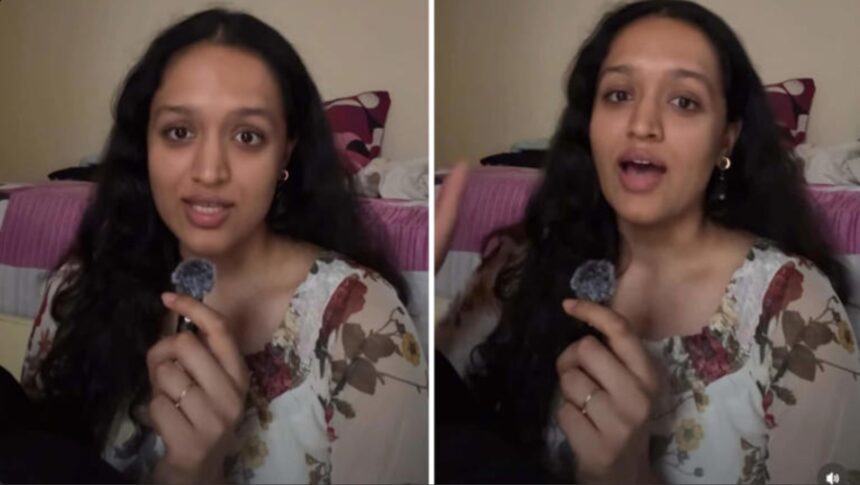
Ishika Agarwal, a Hyderabad woman who spent five years living in the US, has shared her experience of moving back to India and discovering what she describes as a form of “reverse culture shock”.
Rather than one dramatic adjustment, Agarwal said the differences appeared in small, everyday moments—from her social plans and wardrobe to missing spontaneous walks and becoming comfortable with depending on family again.
Her experience has resonated with others who have returned to India after spending years overseas.
See more of our coverage in your search results.
Add Hunterfly on Google‘You’ve changed way more than you thought’
For Agarwal, the biggest realisation was that returning home did not mean returning to exactly the same life she had left behind.
“You think you’re coming back home to the same life, and then you realize you’ve changed way more than you thought,” she said.
The city, food, family and familiar surroundings were still there. But her own habits and expectations had changed during the five years she spent abroad.
That difference, she suggested, can make returning home feel like another form of cultural adjustment.
Adjusting to life in Hyderabad again
One unexpected change Agarwal noticed was how her body responded after returning to India.
See more of our coverage in your search results.
Add Hunterfly on GoogleShe said she had been falling sick more frequently than expected and joked about the experience by comparing it with the 17 years she had previously spent living in India.
“I’m like, bro, I lived here for 17 years. Why are my lungs acting like they’ve never seen India before?” she said.
Her comments were not presented as a medical explanation, but rather as one of the unexpected frustrations she encountered while readjusting to her former environment.
See more of our coverage in your search results.
Add Hunterfly on GoogleWhen meeting friends becomes an ‘outing’
Her social life also felt different.
Agarwal recalled a time when meeting friends seemed relatively spontaneous, particularly during college. After returning, however, coordinating everyone’s schedules often required considerably more planning.
“Meeting a friend isn’t even meeting someone anymore. It’s an outing,” she joked.
It is a small change, but one that can become noticeable after living somewhere with a different rhythm of work, friendships and daily routines.
For people returning after several years away, familiar relationships can remain intact while the way those relationships are maintained changes.
Even her wardrobe reminded her she had changed
Another unexpected reminder came from her closet.
After spending five years in a different climate, much of Agarwal’s existing wardrobe no longer seemed practical for her current life.
“I have five years of clothes from a completely different climate sitting in my closet right now,” she said.
The comment captures one of the stranger aspects of moving between countries: objects that once fitted seamlessly into everyday life can suddenly feel disconnected from the person you have become.
Missing simple walks
One of the things Agarwal said she missed most from her time in the US was the ability to go for an unplanned walk.
She recalled nights when she could simply put on her headphones, leave home and walk without having a particular destination.
“There were nights I would just go for a walk, no plan, just walk around with my headphones on, clear my head, and come back,” she said.
Only after returning, she realised how important that routine had become to her.
The observation highlights how independence is sometimes experienced through small freedoms rather than major life decisions.
‘I can be independent, I just don’t have to be’
After living independently for several years, Agarwal also found herself relying on her mother again for everyday things.
She described the experience humorously:
“So apparently, I can be independent, I just don’t have to be.”
The comment reflects one of the emotional contrasts of moving back home. Living independently abroad can create strong habits of self-reliance, while returning to a family environment can make it easy—and sometimes comforting—to accept help again.
Neither experience necessarily cancels out the other.
‘I’m not exactly the same person who left’
For Agarwal, the biggest lesson of returning home appears to be that “home” itself can remain familiar while the person returning to it has changed.
“Everything is familiar. The city, the food, my home, my people. But somehow, I’m not exactly the same person who left five years ago,” she said.
That may be the central idea behind reverse culture shock.
When people move abroad, they often expect the eventual return to feel like a restoration of their old life. But several years can change routines, expectations, friendships, independence and even the way someone understands home.
Returning, therefore, can require adjustment just as moving away did.
Her experience resonates with other people who moved abroad
Agarwal’s reflections also prompted responses from people with similar experiences.
She described her return as “5 years in the US, and moving back home comes with its own kind of reverse culture shock,” adding that she had not expected it to appear through such small details.
People responding to the discussion shared their own experiences of returning after extended periods overseas.
One person who said they had spent 12 years in the US described the transition as “very anxiety-inducing”, while others simply called Agarwal’s observations relatable.
The responses suggest that the experience is not unique to one person or one city.
Coming home can mean starting over in a different way
Agarwal’s story is a reminder that returning home after years abroad is not necessarily a return to the past.
The surroundings may be familiar, but the person coming back may have developed different routines, expectations and ideas about independence.
That can make the transition confusing, funny and occasionally uncomfortable—but it can also create an opportunity to understand how much life abroad has changed you.
Perhaps the most relatable part of Agarwal’s experience is her final observation: home can still feel like home, even when you realise you are no longer exactly the person who left.