





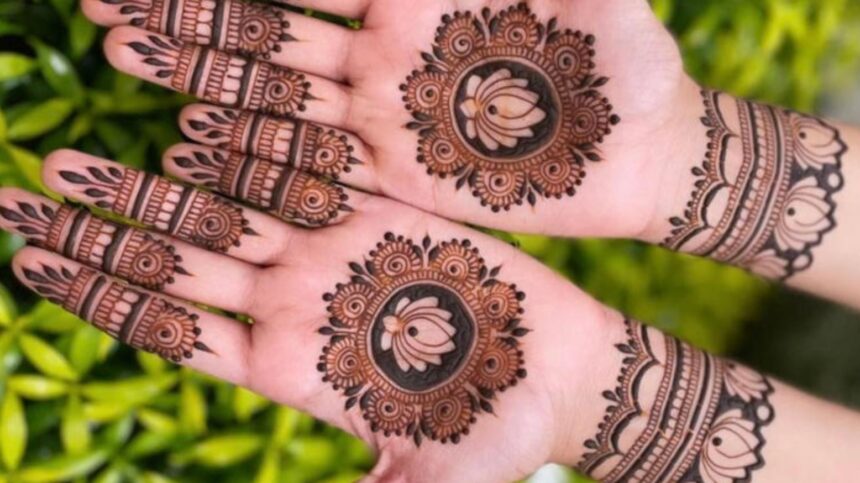
Mehendi is more than a decorative art form. Deeply rooted in Indian culture and tradition, it has long been associated with celebrations, weddings and auspicious occasions. Whether applied for a festival, family function or bridal ceremony, one thing most people hope for is a rich, dark stain that lasts for days.
While the quality of henna plays an important role, proper preparation and aftercare can significantly influence the final colour. Fortunately, several simple techniques can help enhance the depth of your mehendi naturally at home.
Here are six effective ways to achieve a darker and longer-lasting mehendi stain.
1. Start With Fresh Henna
The foundation of a dark mehendi stain begins with the quality of the henna.
See more of our coverage in your search results.
Add Hunterfly on GoogleFreshly prepared henna paste generally produces a richer colour than older or pre-mixed alternatives. For best results, mix fresh henna powder with lemon juice and a small amount of sugar to create a smooth paste.
Allow the mixture to rest for several hours or overnight. This waiting period helps release the natural dye molecules, enabling the henna to produce a deeper stain when applied to the skin.
Pro Tip
Always store henna powder in a cool, dry place to preserve its colouring properties.
2. Clean and Prepare Your Hands
Proper skin preparation can make a noticeable difference in how well the dye develops.
Before applying mehendi, wash your hands thoroughly and gently exfoliate to remove dirt, oil and dead skin cells. A clean surface allows the henna to come into direct contact with the skin, improving absorption.
See more of our coverage in your search results.
Add Hunterfly on GoogleAvoid applying lotions, creams or oils immediately before the mehendi application, as they can create a barrier that interferes with dye penetration.
3. Use Essential Oils Carefully
Certain essential oils contain naturally occurring compounds known as terpenes, which may help enhance henna staining.
After the mehendi begins drying, lightly dab the surrounding area with terpene-rich oils such as eucalyptus or tea tree oil. These oils are traditionally used to support deeper colour development.
See more of our coverage in your search results.
Add Hunterfly on GoogleImportant Note
Perform a patch test before using any essential oil to avoid potential skin irritation or allergic reactions.
4. Keep Mehendi Warm and Protected
Heat plays a key role in helping the henna dye bond with the skin.
Once the design is applied, try to keep your hands warm and avoid washing them prematurely. A warm environment allows the natural colouring agent in henna, known as lawsone, to continue developing and penetrate more effectively.
Many experienced mehendi artists recommend leaving the paste on for several hours or overnight whenever possible.
5. Apply a Sugar and Lemon Sealant
One of the most popular traditional methods for enhancing mehendi colour involves a mixture of lemon juice and sugar.
After the mehendi begins drying, gently dab a solution made from equal parts sugar and lemon juice onto the design using a cotton ball. This helps keep the dried paste attached to the skin for longer while also retaining warmth.
The longer the henna remains in contact with the skin, the greater the potential for a darker stain.
Tip
Apply the mixture sparingly to avoid smudging the design.
6. Try Clove Heat Therapy
Heat therapy remains a widely used technique for intensifying mehendi colour.
To try this traditional method, warm a few cloves on a tawa or pan and carefully expose your hands to the rising fumes for a short period. The gentle warmth may help support the staining process.
Safety Reminder
Avoid placing your hands too close to hot surfaces or excessive heat. Maintain a safe distance to prevent discomfort or burns.
Additional Tips for a Long-Lasting Mehendi Stain
To maximize colour development after removing the dried paste:
- Avoid washing hands with water for several hours.
- Remove dried mehendi by gently scraping rather than washing.
- Apply natural oils such as coconut oil or mustard oil afterward.
- Limit exposure to soap and chlorinated water during the first 24 hours.
- Allow the stain to oxidize naturally, as henna often darkens over the next 24 to 48 hours.
Why Mehendi Gets Darker Over Time
Many people expect immediate results, but fresh henna stains typically appear orange initially. Over the following one to two days, oxidation causes the colour to deepen into reddish-brown shades.
Patience is often one of the most important factors in achieving a rich and beautiful stain.
Conclusion
Getting a darker mehendi stain does not necessarily require expensive products or professional treatments. By using fresh henna, preparing your skin properly, maintaining warmth and following traditional aftercare methods, you can significantly improve the colour and longevity of your mehendi.
Whether you are preparing for a wedding, festival or special celebration, these simple home remedies can help you achieve a deeper, richer and more vibrant henna stain naturally.