








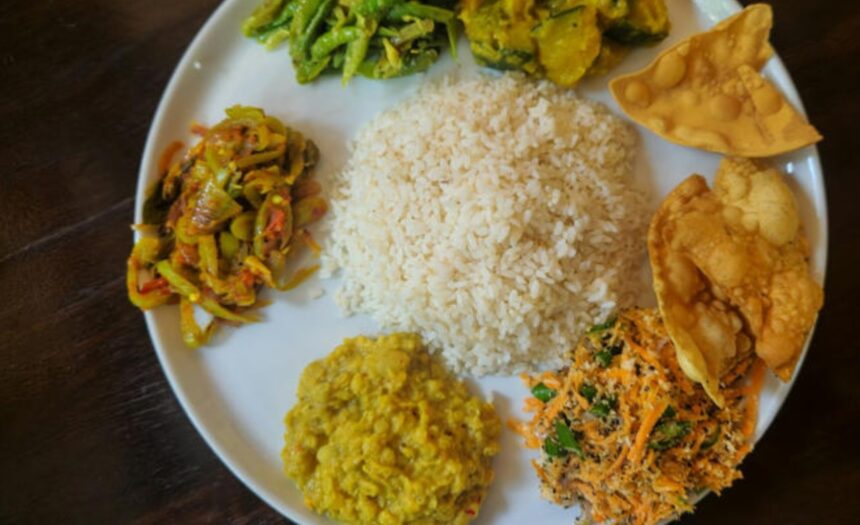
Indian cuisine is often associated with rich curries, festive sweets, and deep-fried snacks. While these dishes certainly have their place in the country’s diverse culinary landscape, they represent only a small part of India’s everyday eating habits.
For generations, Indian kitchens have relied on simple ingredients such as lentils, whole grains, legumes, vegetables, and spices to prepare balanced meals. Many of these staples are naturally rich in protein, fiber, vitamins, minerals, and plant compounds that contribute to overall health when consumed as part of a varied diet.
Here are 10 traditional Indian foods that deserve recognition for their nutritional value.
1. Moong Dal
Moong dal is one of the most versatile lentils used in Indian cooking.
See more of our coverage in your search results.
Add Hunterfly on GoogleIt provides:
- Plant-based protein
- Dietary fiber
- Folate
- Potassium
- Magnesium
Moong dal is commonly used in soups, khichdi, cheelas, and salads. Its mild flavor and easy digestibility make it a popular choice across age groups.
2. Dalia (Broken Wheat)
Dalia is prepared from whole wheat that has been cracked into smaller pieces while retaining much of its natural fiber.
It offers:
- Complex carbohydrates
- Dietary fiber
- Iron
- B vitamins
Because it digests gradually, dalia can be a satisfying option for breakfast or lunch when paired with vegetables or legumes.
See more of our coverage in your search results.
Add Hunterfly on Google3. Chana Dal
Made from split Bengal gram, chana dal is widely used in dals, curries, snacks, and traditional sweets.
Nutritional highlights include:
- Good source of protein
- Rich in fiber
- Iron
- Magnesium
- Folate
Its combination of protein and fiber helps create filling meals.
See more of our coverage in your search results.
Add Hunterfly on Google4. Masoor Dal
Masoor dal is valued for its quick cooking time and nutritional profile.
It contains:
- Protein
- Fiber
- Folate
- Iron
- Potassium
It works well in soups, curries, and stews while providing a satisfying meal.
5. Toor Dal
Toor dal, also known as pigeon pea, is a staple ingredient in many Indian households.
It provides:
- Protein
- Dietary fiber
- B vitamins
- Potassium
Popular dishes such as sambar and dal fry often feature toor dal as their main ingredient.
6. Rajma (Kidney Beans)
Rajma is one of India’s best-known legume dishes and is widely enjoyed with rice.
Proper soaking and thorough cooking are important before consumption.
Rajma contributes:
- Plant protein
- Fiber
- Iron
- Potassium
- Magnesium
It is also naturally filling, making it a popular choice for balanced meals.
7. Lauki (Bottle Gourd)
Bottle gourd is a seasonal vegetable with a high water content and relatively few calories.
It contains:
- Vitamin C
- Potassium
- Fiber
Lauki is commonly prepared as curry, soup, stuffed vegetables, or added to dal.
Important: Consume only fresh bottle gourd. If it tastes unusually bitter, discard it, as bitter bottle gourd may contain naturally occurring toxic compounds that can cause serious illness.
8. Methi (Fenugreek)
Both fenugreek leaves and seeds are widely used in Indian cooking.
They provide:
- Fiber
- Iron
- Plant compounds with antioxidant activity
Fresh methi leaves can be added to breads, curries, and stir-fries, while fenugreek seeds are often used in spice blends and pickles.
9. Haldi (Turmeric)
Turmeric has been an essential ingredient in Indian kitchens for centuries.
Its natural yellow pigment, curcumin, has been extensively studied for its antioxidant and anti-inflammatory properties.
Turmeric is commonly used in:
- Dal
- Vegetable curries
- Rice dishes
- Soups
Adding black pepper and a small amount of healthy fat may help improve curcumin absorption.
10. Amla (Indian Gooseberry)
Amla is among the richest natural sources of vitamin C.
It also contains:
- Dietary fiber
- Polyphenols
- Antioxidants
It can be enjoyed fresh, as juice, chutney, pickle, or dried powder.
Why Traditional Indian Staples Still Matter
Many everyday Indian foods naturally combine:
- Protein-rich legumes
- Whole grains
- Seasonal vegetables
- Herbs
- Aromatic spices
Together, these ingredients create meals that are flavorful, satisfying, and nutritionally balanced.
Classic combinations such as:
- Dal with rice
- Rajma with brown rice
- Dalia with vegetables
- Khichdi with curd
provide a mix of carbohydrates, protein, fiber, and micronutrients.
Simple Tips to Include More Traditional Staples
- Rotate different dals during the week.
- Add vegetables to dal and khichdi for extra fiber.
- Replace refined grains with whole grains when possible.
- Include seasonal produce in everyday meals.
- Cook with moderate amounts of oil.
- Pair legumes with whole grains for a balanced meal.
A Balanced Diet Is About Variety
No single food can provide every nutrient the body needs. A healthy eating pattern includes a variety of whole foods alongside regular physical activity, sufficient sleep, and other healthy lifestyle habits.
Traditional Indian staples remain valuable because they are affordable, versatile, and deeply rooted in the country’s culinary heritage. When prepared with balanced portions and fresh ingredients, they continue to support nutritious everyday meals.