



For years, minimalism dominated fashion conversations. Clean lines, muted palettes, understated tailoring, and “quiet luxury” became defining themes across runways and social media feeds alike. But if Gaurav Gupta’s latest couture showcase is any indication, fashion’s pendulum may be swinging decisively in the opposite direction.
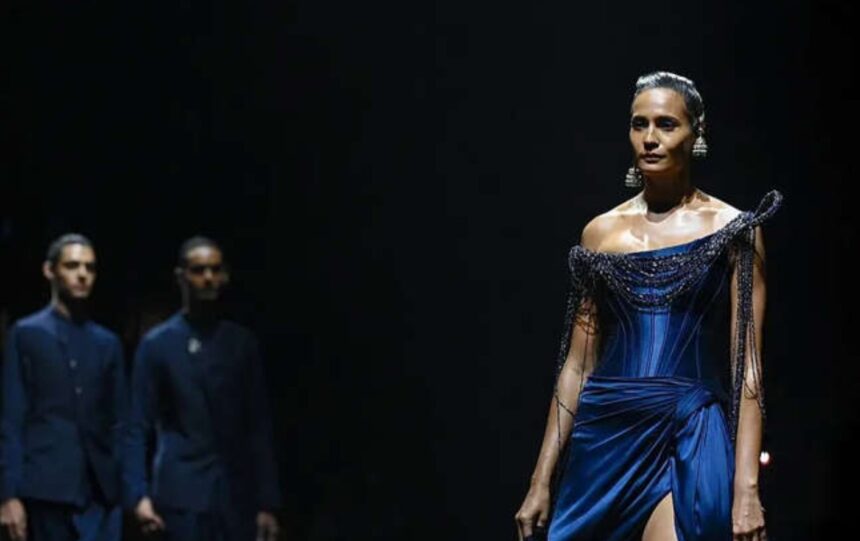
The celebrated Indian designer’s recent couture presentation delivered a powerful visual statement—one that embraced drama, sculptural artistry, intricate embellishments, and unapologetic glamour. More than a runway event, the show reflected a broader shift taking place across the fashion industry as maximalism re-emerges as a major force shaping contemporary style.
A Runway Built on Drama and Craftsmanship
Known for pushing creative boundaries, Gaurav Gupta has long occupied a unique space within Indian couture.
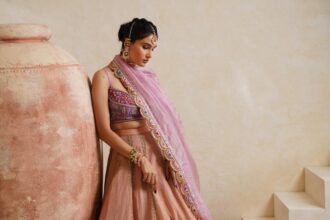
His designs frequently blur the lines between fashion, art, and architecture, featuring fluid sculptural forms, elaborate draping techniques, and highly detailed craftsmanship. The latest collection continued that tradition, presenting garments that celebrated volume, movement, and visual impact.
See more of our coverage in your search results.
Add Hunterfly on GoogleFrom dramatic silhouettes to intricate detailing, the collection rejected restraint in favor of expression.
The runway featured couture pieces designed not merely to be worn, but to be experienced—an approach increasingly resonating with luxury consumers seeking individuality in an era of mass-produced trends.
Why Maximalism Is Making a Comeback
Fashion trends often move in cycles.
Following years of minimalist aesthetics and neutral wardrobes, many consumers are showing renewed interest in bold self-expression. Bright colours, statement accessories, layered styling, rich textures, and intricate craftsmanship are once again finding favour among designers and fashion enthusiasts.
Industry observers point to several factors driving the shift:
See more of our coverage in your search results.
Add Hunterfly on Google- A desire for individuality and personal expression
- Social media’s preference for visually striking content
- Increased appreciation for craftsmanship and artisanal work
- Growing interest in occasion dressing and experiential fashion
Maximalism offers something that minimalism often does not: instant visual storytelling.
Every detail becomes part of a larger narrative.
India’s Longstanding Relationship With Maximalism
While maximalism may feel like a trend revival globally, many fashion experts argue that Indian fashion has never truly abandoned it.
See more of our coverage in your search results.
Add Hunterfly on GoogleTraditional Indian design has long celebrated:
- Rich embroidery
- Layered jewellery
- Vibrant colour palettes
- Ornate textiles
- Detailed craftsmanship
Whether in bridal couture, festive wear, or ceremonial dressing, Indian fashion traditions have consistently embraced abundance and artistry.
In many ways, designers like Gaurav Gupta are not introducing maximalism to Indian audiences—they are reinterpreting a cultural design language that has existed for generations.
Social Media and the Rise of Statement Dressing
The resurgence of maximalism is also being accelerated by digital culture.
Platforms such as Instagram, Pinterest, and TikTok reward visually distinctive fashion. Dramatic silhouettes and bold styling choices often generate stronger engagement than understated looks.
As a result, influencers, celebrities, and fashion creators are increasingly experimenting with:
- Layered accessories
- Sculptural garments
- Metallic accents
- Embellished fabrics
- Contemporary Indo-Western styling
This shift has encouraged both luxury designers and mainstream brands to embrace more expressive aesthetics.
The Evolution of Indo-Western Fashion
One of the most significant developments in recent years has been the rise of modern Indo-Western dressing.
Consumers increasingly seek clothing that combines traditional craftsmanship with contemporary silhouettes.
Designers have responded by creating pieces that blend:
- Indian embroidery techniques
- Global couture influences
- Modern tailoring
- Experimental construction
Gaurav Gupta’s work often sits at the center of this conversation, offering a vision of Indian fashion that is both globally relevant and culturally rooted.
Beyond Trends: The Return of Fashion as Art
Perhaps the most important takeaway from the collection is its reminder that fashion can be more than functional.
Luxury couture has historically served as a platform for artistic innovation. While commercial fashion often prioritizes wearability and practicality, couture allows designers to explore imagination without limits.
The renewed interest in maximalism suggests that consumers are once again embracing fashion’s emotional and creative dimensions.
Rather than disappearing into simplicity, many are choosing garments that communicate personality, confidence, and individuality.
What This Means for Fashion in 2026 and Beyond
As luxury fashion continues to evolve, the industry’s future is unlikely to be defined exclusively by either minimalism or maximalism.
Instead, consumers are increasingly selecting aesthetics that align with their personal identities.
However, runway presentations like Gaurav Gupta’s indicate that maximalism is no longer a niche movement. It has become a significant cultural and fashion conversation.
With celebrities, influencers, luxury brands, and designers embracing bolder forms of expression, ornate craftsmanship and statement-making fashion appear poised to play an increasingly influential role in the years ahead.
If recent collections are any indication, the era of understated dressing may soon be sharing the spotlight with a renewed celebration of drama, artistry, and creative excess—and Gaurav Gupta’s latest couture show has emerged as one of the clearest signals yet of that transformation.