




Cholesterol is one of the key factors in determining your heart health. While high LDL (bad) cholesterol can clog arteries and raise the risk of heart disease, the good news is that nature provides a solution right on your plate.
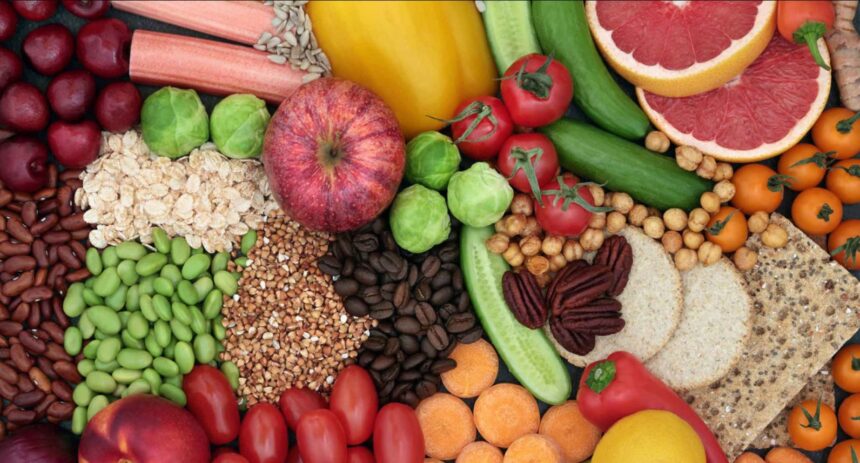
Simple dietary shifts can help reduce LDL cholesterol and support HDL (good) cholesterol, keeping your heart in optimal condition. Here are 10 foods you should consider adding to your daily diet to naturally manage your cholesterol levels and improve overall well-being.
1. Whole Grains
Whole grains like oats, barley, and whole wheat contain beta-glucan, a soluble fiber that helps lower LDL cholesterol by forming a gel in your gut, preventing its absorption into the bloodstream.
2. Fatty Fish
Salmon, sardines, and mackerel are rich in omega-3 fatty acids, which lower triglyceride levels and reduce inflammation. They also help prevent arterial plaque buildup—supporting long-term heart health.
See more of our coverage in your search results.
Add Hunterfly on Google3. Nuts
Almonds, walnuts, and pistachios contain unsaturated fats, plant sterols, and fiber. Eating a small handful daily has been linked with improved LDL and total cholesterol levels.
4. Legumes and Lentils
Beans, peas, and lentils are high in soluble fiber and plant-based protein. These superfoods help manage cholesterol while serving as excellent meat substitutes in your meals.
5. Avocados
Creamy and heart-healthy, avocados offer monounsaturated fats and fiber that lower bad cholesterol while supporting good cholesterol levels.
6. Whole Fruits
Apples, oranges, peaches, and berries are rich in pectin, a soluble fiber that helps reduce LDL levels. Their antioxidant content also protects arteries from oxidative damage.
7. Soy-Based Foods
Foods like tofu, soy milk, and edamame contain isoflavones and plant-based protein. When used in place of animal products, they can effectively lower LDL cholesterol.
See more of our coverage in your search results.
Add Hunterfly on Google8. Green Leafy Vegetables
Spinach, kale, and drumstick (moringa) leaves contain bile-binding compounds that help reduce cholesterol reabsorption in the digestive system.
9. Olive Oil
Extra virgin olive oil is packed with monounsaturated fats and antioxidants that help fight inflammation and lower LDL cholesterol when used regularly in cooking or salads.
10. Green Tea
Loaded with catechins—a type of antioxidant—green tea helps lower LDL cholesterol levels and supports overall cardiovascular health when consumed regularly.
See more of our coverage in your search results.
Add Hunterfly on GoogleFrequently Asked Questions (FAQs)
Q1. How fast can diet changes affect cholesterol levels?
A: You may see noticeable changes in 4–6 weeks, but consistent changes over a few months yield the best results.
Q2. Are supplements as effective as food?
A: Whole foods are more effective and safer. Supplements like psyllium or plant sterols can help if guided by a doctor.
Q3. Can exercise help lower cholesterol?
A: Yes, regular aerobic activity helps lower LDL and boost HDL levels, improving heart function overall.
Q4. Should I avoid all fats?
A: Not at all. Healthy fats from olive oil, nuts, and seeds support cholesterol management. Avoid trans fats and limit saturated fat.
Q5. Can I eat eggs if I have high cholesterol?
A: Yes, in moderation. Focus on a balanced diet with fruits, veggies, and whole grains.
Q6. Do I need to cut red meat entirely?
A: Not necessarily. Reduce intake of processed or fatty cuts and choose lean meats or plant-based proteins more often.
Final Word: Eat Smart, Live Strong
Lowering cholesterol doesn’t require drastic measures—it starts with conscious food choices. Integrating these heart-smart foods into your daily meals can naturally improve your cholesterol levels and support a healthier lifestyle.